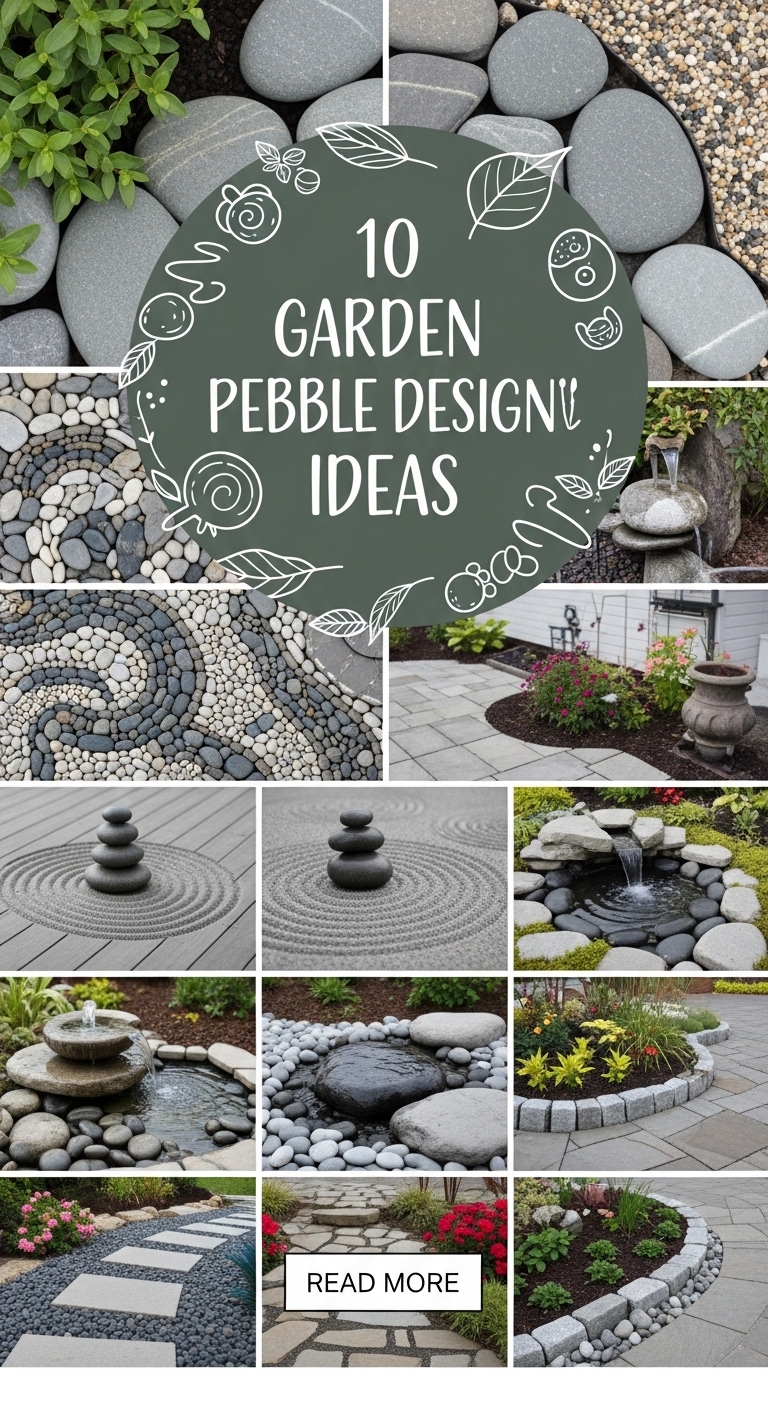
Garden pebbles are a versatile and beautiful way to enhance any outdoor space. They are not only visually appealing but also functional, providing excellent drainage, preventing soil erosion, and reducing maintenance. Pebbles come in a variety of colors, shapes, and sizes, allowing for endless design possibilities. Whether you are looking to create a serene pathway, a decorative border, or a unique focal point, pebbles can transform your garden into a peaceful retreat. Preparing your garden for pebble designs is simple but requires attention to detail. Selecting the right pebbles, planning the layout, and choosing complementary plants or features can elevate the overall look of your garden. In this blog post, we will explore ten creative pebble design ideas that are practical and stylish. Each idea includes guidance on preparation, materials, and installation, making it easier for both beginners and experienced gardeners to implement. From classic pebble pathways to modern artistic patterns, these designs will inspire you to add texture, color, and elegance to your garden space.

1. Pebble Pathway
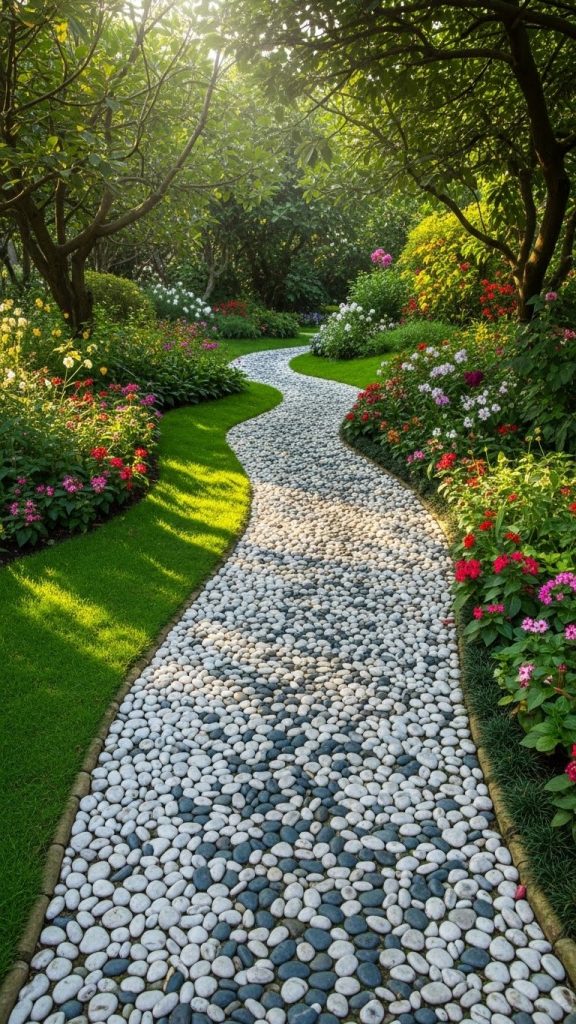
Creating a pebble pathway is a classic garden design that combines beauty with function. Start by choosing pebbles that are smooth and durable. White, gray, or mixed-color pebbles work well for pathways. First, clear the area of grass and weeds, then lay a layer of landscape fabric to prevent future growth. Add a 2–3 inch layer of sand for leveling. Spread pebbles evenly over the sand, pressing them gently to secure. For larger areas, consider edging the pathway with bricks or stones to keep pebbles in place. This pathway can lead to a garden feature, patio, or seating area, creating a natural flow. Maintenance is minimal, requiring occasional raking and weed removal. Adding stepping stones within the pebbles can provide a stable walking surface and enhance the design. A pebble pathway not only improves accessibility but also adds texture and a sense of tranquility to your garden. You can even mix different colored pebbles to form patterns, giving a personalized touch.
2. Zen Garden Pebbles
Zen gardens are known for their simplicity and peaceful atmosphere, and pebbles play a central role in achieving this effect. Start with a shallow bed or container with good drainage. Use fine, smooth pebbles in white, black, or gray to create a serene base. Rake patterns into the pebbles to represent flowing water or waves, which adds a calming visual effect. You can also place larger stones or miniature plants strategically to mimic natural landscapes. For preparation, ensure the area is level and use a weed barrier underneath the pebbles to keep the design clean. Zen gardens can be small tabletop features or larger outdoor spaces. The key is minimalism; avoid overcrowding the design with too many elements. Maintaining a Zen garden is simple, mainly involving raking and occasionally cleaning the pebbles. Adding a few lanterns or bamboo decorations enhances the Japanese-inspired aesthetic. This pebble design is perfect for meditation areas or quiet garden corners, offering relaxation and a sense of harmony.

3. Pebble Border for Flower Beds
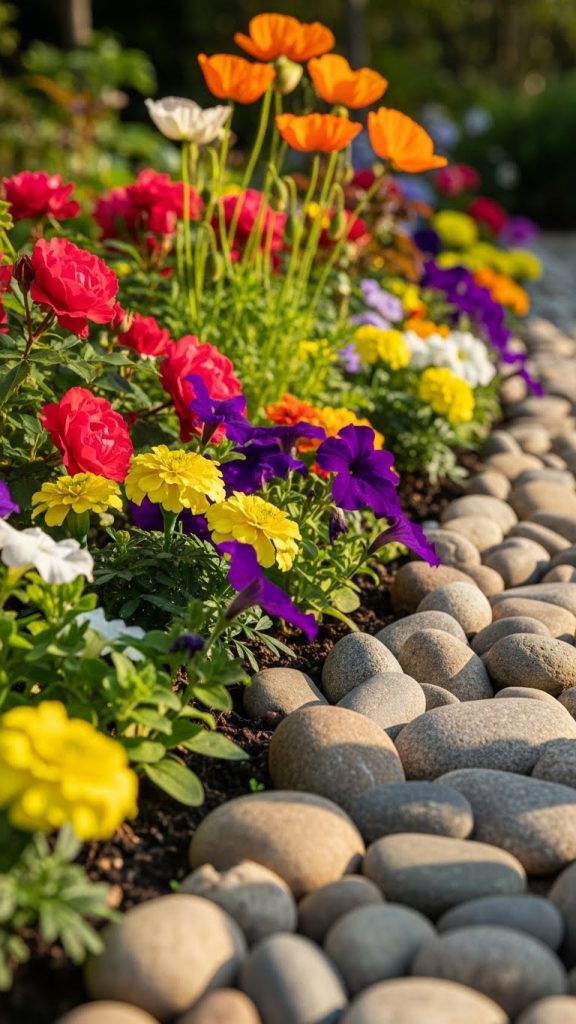
Using pebbles as a border for flower beds is an effective way to separate plants from pathways while adding a decorative touch. Select pebbles that complement the colors of your plants or garden theme. Clear the area of grass and prepare the soil by edging with a spade. Lay landscape fabric to prevent weeds and then place pebbles along the edges, keeping them 2–3 inches thick. For a neat look, larger pebbles can be used at the corners or curves. A pebble border helps retain soil moisture and reduces the chance of soil washing onto walkways. You can also mix pebbles of different sizes to create a layered effect. Maintenance involves occasional repositioning of pebbles and removing any debris. A well-designed pebble border adds definition and elegance to your flower beds, making them stand out. This method works for both small garden plots and larger landscaping projects, creating a polished and organized appearance without extensive effort.
4. Pebble Mosaic Designs
Pebble mosaics allow you to create artistic patterns in your garden, adding a personalized touch. Start by selecting pebbles of different colors and sizes. Plan a design or pattern on paper before installation. Clear the area and lay a concrete or sand base depending on permanence. Place pebbles according to the design, pressing them firmly into the base. For outdoor mosaic paths, sand or cement is ideal, while smaller decorative areas can use adhesive for stability. Sealing the mosaic enhances durability and keeps the colors vibrant. This technique works well for patios, garden walls, or stepping stones. Preparing the site carefully ensures a smooth surface and prevents pebbles from shifting. Mosaic designs can range from geometric patterns to floral motifs, reflecting your personal style. Regular cleaning and occasional replacement of loose pebbles will maintain the aesthetic. A pebble mosaic is an artistic way to combine functionality and beauty, creating a unique feature that draws attention.

5. Pebble Water Features
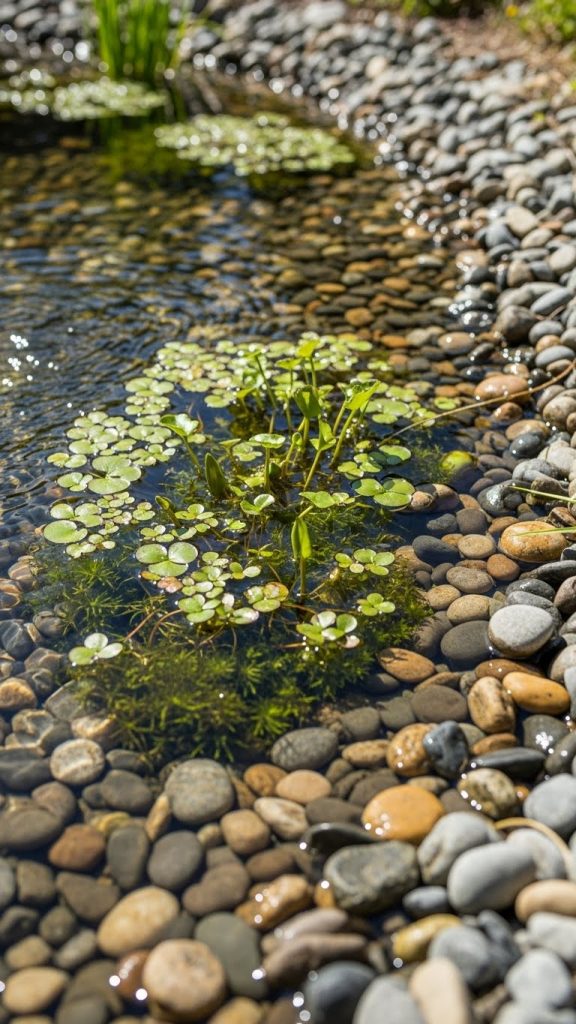
Integrating pebbles into water features like fountains, ponds, or small streams adds natural beauty and texture. Begin by selecting pebbles in sizes that suit the water feature, typically small to medium smooth stones. Prepare the area by digging and lining it with a waterproof liner if necessary. Place larger stones around the edges and fill the interior with pebbles, ensuring some variation in size for a natural look. Pebbles also help anchor aquatic plants and prevent soil from washing into the water. Maintenance involves cleaning the pebbles occasionally to prevent algae buildup. Using contrasting colors can create visual interest and highlight the water movement. This design works for both indoor and outdoor water features, adding a calming element to your garden. Pebbles are durable and withstand water exposure, making them an excellent choice for long-lasting decoration. The combination of water and stone creates a soothing ambiance, perfect for relaxation.
6. Stepping Stone Pebbles
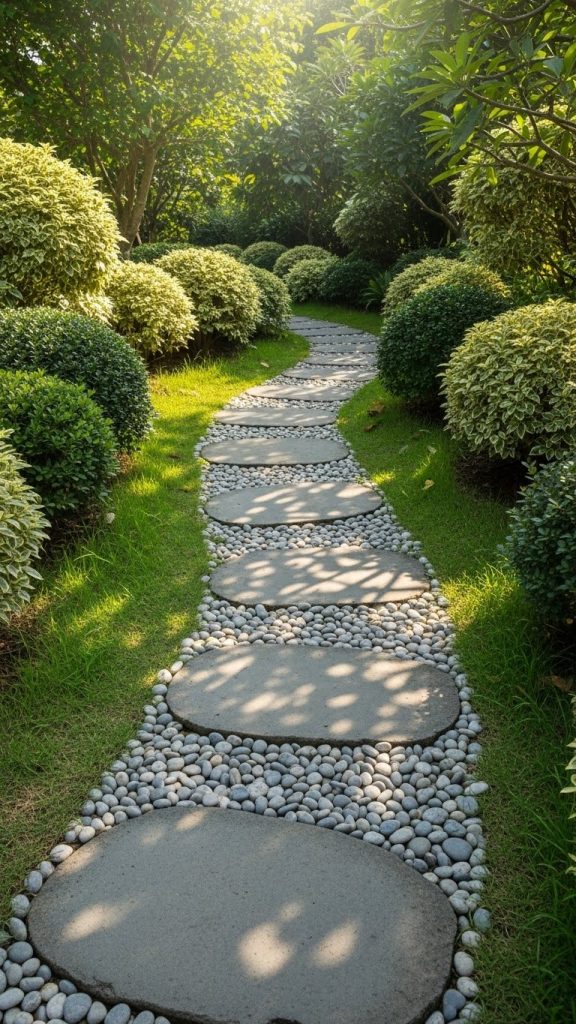
Pebbles can be used to enhance stepping stones, creating a functional and attractive path. Choose flat stones or concrete slabs for the base. Surround the stones with pebbles, filling the gaps evenly to prevent shifting. For a secure design, prepare the ground by leveling and adding a layer of sand beneath the stones. Pebbles can be selected in a contrasting color to highlight the stepping stones or match the surrounding landscape. This design works well for garden paths, leading to patios, sheds, or seating areas. Maintenance is simple; just reposition any displaced pebbles and remove weeds that may grow between stones. Using pebbles around stepping stones reduces soil erosion and provides good drainage during rain. You can also incorporate small patterns with pebbles to add artistic flair. The combination of solid stepping stones and loose pebbles creates a natural, visually appealing path that blends well with greenery.
7. Pebble Garden Seating Area
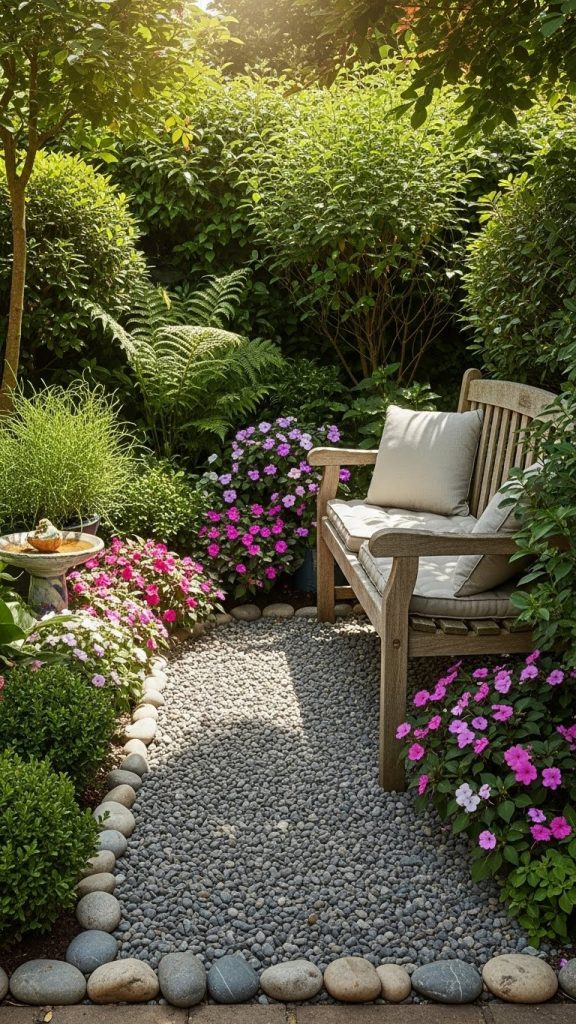
Transform a garden corner into a relaxing seating area using pebbles as flooring. Start by clearing and leveling the area, then lay landscape fabric to prevent weeds. Use medium-sized pebbles to form a comfortable, even surface for chairs or benches. Add larger pebbles along the edges for definition. This setup allows rainwater to drain easily, keeping the seating area dry. You can mix colors to create subtle patterns or borders, adding charm. Pebbles also provide a low-maintenance and long-lasting flooring option compared to wood or concrete. For extra comfort, consider placing outdoor rugs or cushions. Regular raking keeps the pebbles even, and occasional washing removes dust. A pebble seating area blends seamlessly with garden plants, offering a natural, earthy look. This design is perfect for outdoor tea corners, reading nooks, or quiet retreats, combining functionality with aesthetics.
8. Pebble Rock Garden
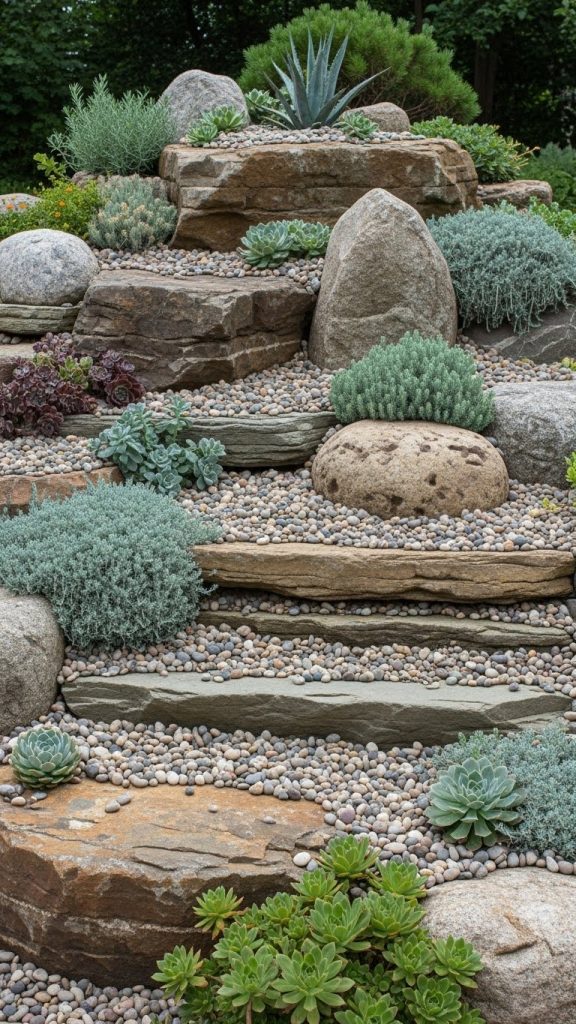
Rock gardens are enhanced significantly by the addition of pebbles. Start with a sloped or flat area and remove grass and debris. Lay a mixture of large rocks and small pebbles to simulate a natural landscape. Pebbles fill the gaps between rocks, reducing soil erosion and highlighting plant arrangements. Choose plants that thrive in rocky environments, like succulents or alpine species. For preparation, ensure proper drainage using sand or gravel beneath the pebbles. Layering pebbles by size adds depth and visual interest. This design is excellent for creating miniature landscapes, borders, or focal points in the garden. Maintenance includes occasional repositioning of stones and weeding. The pebble rock garden provides texture, contrasts in color, and a low-maintenance solution that adds structure to your garden. This idea works for both small balcony gardens and larger outdoor spaces, giving a natural and artistic feel.
9. Colored Pebble Designs
Colored pebbles bring vibrancy and personality to a garden. They can be used for pathways, borders, or decorative areas. Choose natural colored pebbles or ones dyed for outdoor use. Clear the area and prepare a base of sand or soil, then spread the colored pebbles in patterns or sections. Contrasting colors create visual impact and highlight different areas of the garden. Maintenance involves occasional cleaning to remove dirt or moss and replenishing pebbles that may shift over time. Colored pebbles are also useful for creating themed gardens, like tropical, desert, or modern minimalist styles. Combining colored pebbles with plants or garden ornaments enhances the overall design. This idea allows for creativity and personalization, transforming ordinary spaces into eye-catching features. Using durable, weather-resistant pebbles ensures long-lasting color and minimal maintenance.

10. Pebble Fire Pit Area
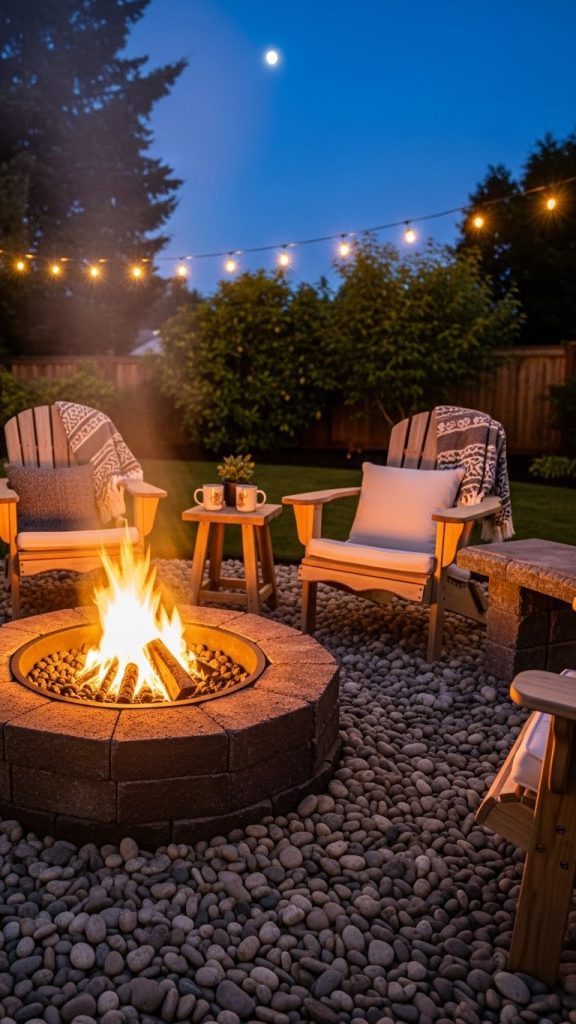
A pebble base around a fire pit adds safety and style. Start by choosing heat-resistant pebbles in medium to large sizes. Clear and level the area around the fire pit, then lay landscape fabric to prevent weeds. Spread pebbles evenly to form a stable and visually appealing floor. Pebbles help protect surrounding soil from heat and reduce the risk of accidental fires. You can combine different colors or sizes for a decorative effect, creating a cozy outdoor gathering space. Regular raking keeps the pebbles even, and cleaning removes ash or debris. Adding seating, such as benches or chairs, completes the design. A pebble fire pit area is low-maintenance, safe, and adds a natural aesthetic to your backyard. This setup is perfect for entertaining guests, relaxing evenings, or casual family gatherings, blending safety with style.