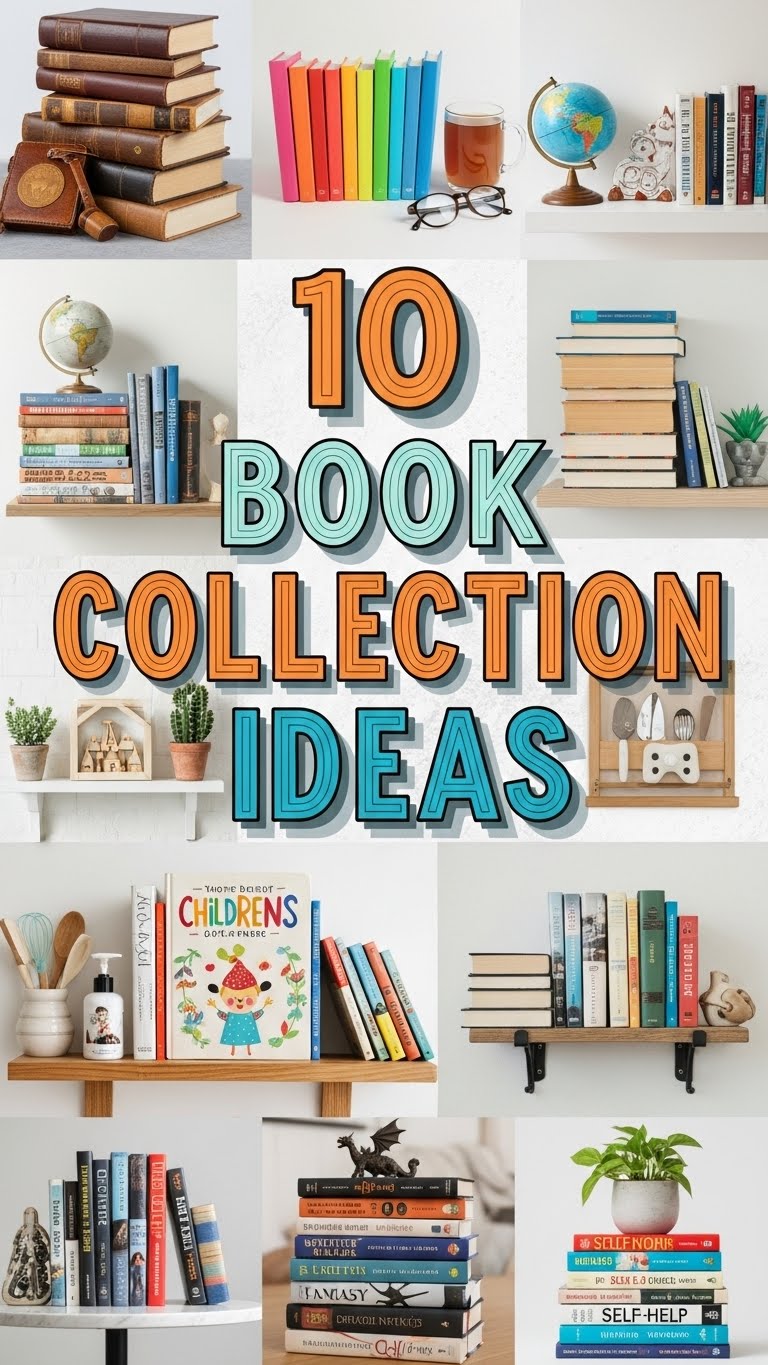
Books are more than reading material. They represent knowledge, memories, interests, and personal growth. A well planned book collection can reflect who you are while also making reading more enjoyable and organized. Many people collect books randomly over time, but building a thoughtful collection adds value, beauty, and purpose to your space. Whether you live in a small apartment or a large home, a book collection can be designed to fit your lifestyle, budget, and interests.
Creating a book collection is not only about buying books. It involves preparation, selecting the right materials, choosing storage solutions, and maintaining the collection properly. Lighting, shelving, categorization, and protection from dust and moisture are all important factors. A good collection should be easy to access, visually pleasing, and durable for long term use.
This article explores ten detailed book collection ideas. Each idea explains how to prepare, what materials to use, and how to maintain the collection. These ideas suit beginners as well as serious book lovers. You can use one idea or combine several to create a personalized library that grows with you over time.
1. Genre Based Book Collection
A genre based book collection is one of the easiest and most popular ways to organize books. In this idea, books are grouped according to categories such as fiction, non fiction, mystery, romance, history, science, self help, or fantasy. This method helps readers quickly find books based on mood or interest. It also gives a clear structure to the collection.
Preparation starts by sorting all books into genres. Make a list of the genres you already own and identify gaps you want to fill. Use sturdy wooden or metal shelves that can hold different book sizes. Adjustable shelves work best because some genres include larger hardcovers or reference books. Labels can be added on shelves or bookends to clearly mark each section.
For materials, use dust resistant shelves, bookends to keep rows neat, and soft lighting to highlight each section. Avoid direct sunlight to prevent fading. Maintenance involves regular dusting and checking for moisture. A genre based collection works well for families or shared spaces where multiple readers have different interests.

2. Author Focused Book Collection
An author focused collection is ideal for readers who deeply admire specific writers. This collection groups books by author, often displaying complete works or special editions. It creates a strong emotional connection and gives a sense of achievement as the collection grows.
Preparation begins by selecting one or more favorite authors. Research their published works to understand which editions you want to collect. Some readers prefer hardcover editions, while others collect first prints or anniversary editions. Shelving should be uniform to maintain a clean look. Matching book covers or similar binding styles enhance visual appeal.
Materials needed include solid shelves, protective book covers, and optional display stands for featured titles. Keep the collection away from humidity to preserve paper quality. Maintenance involves checking bindings and pages regularly. An author focused collection is perfect for personal libraries, reading corners, or dedicated study rooms.
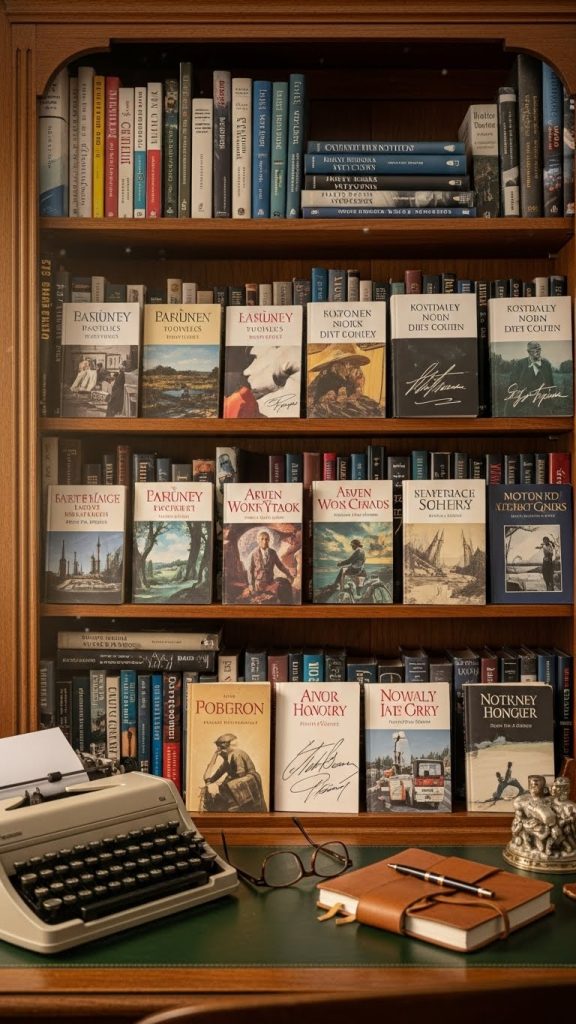
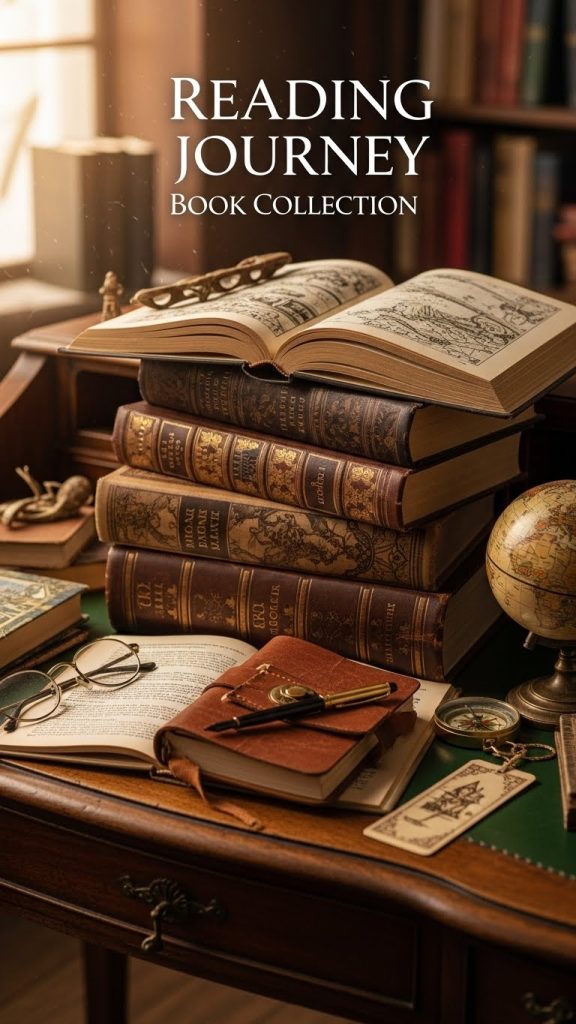
3. Reading Journey Book Collection
A reading journey collection represents personal growth over time. It includes books that shaped your thinking, supported your education, or influenced important life stages. This collection is highly personal and meaningful.
Start by identifying books connected to different periods of your life such as childhood, education, career, or personal development. Arrange them chronologically or by life phase. Preparation includes deciding the layout and creating space for future additions. Floating shelves or cube shelves work well for this style.
Materials should include durable shelves, archival safe book covers, and small note cards to record why each book is important. Lighting should be soft and warm to create a reflective atmosphere. Maintenance includes gentle handling and occasional reorganization. This type of collection works well in bedrooms or quiet reading spaces.
4. Aesthetic Display Book Collection
An aesthetic book collection focuses on visual harmony. Books are chosen and arranged based on color, size, or cover design rather than content alone. This idea is popular for modern interiors and social spaces.
Preparation involves selecting books with appealing covers and planning a color scheme. Some people arrange books by color gradient, while others mix books with decorative objects. Shelves should be open and visually light, such as white wood or glass shelves.
Materials include decorative shelves, neutral bookends, and accent items like small plants or framed art. Use indirect lighting to enhance the look. Avoid overcrowding shelves to maintain balance. Maintenance involves regular dusting and rearranging when new books are added. This collection suits living rooms and creative studios.

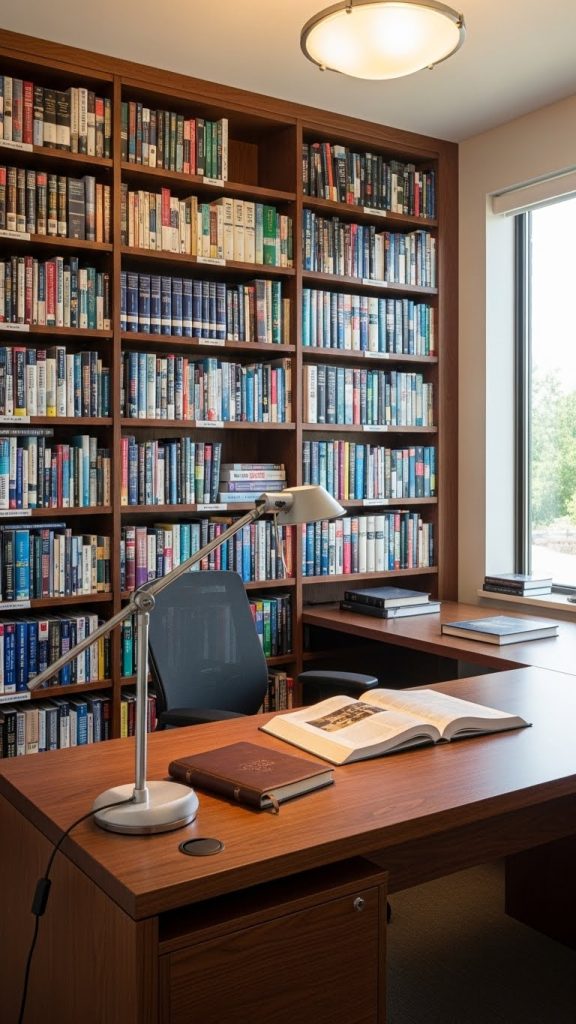
5. Educational and Reference Book Collection
An educational collection focuses on learning and research. It includes textbooks, reference books, manuals, and professional guides. This collection is practical and structured.
Preparation starts by categorizing books by subject or field. Use strong shelves because reference books are often heavy. Vertical filing shelves or closed cabinets help protect books from dust. Keep frequently used books within easy reach.
Materials required include heavy duty shelves, labeled dividers, and a desk nearby for reading. Proper lighting is essential to reduce eye strain. Maintenance involves updating outdated materials and keeping books clean. This collection is ideal for students, professionals, and home offices.
6. Vintage and Classic Book Collection
A vintage book collection focuses on older editions, classics, or antique books. These books often have historical or sentimental value and require special care.
Preparation includes researching publication dates, binding styles, and paper quality. Choose a storage location with stable temperature and low humidity. Avoid placing vintage books near windows or heating sources.
Materials include solid wood shelves, acid free book covers, and silica gel packs to control moisture. Gloves may be used when handling delicate books. Maintenance involves gentle cleaning and regular inspection for damage. A vintage collection works best in private libraries or display cabinets.

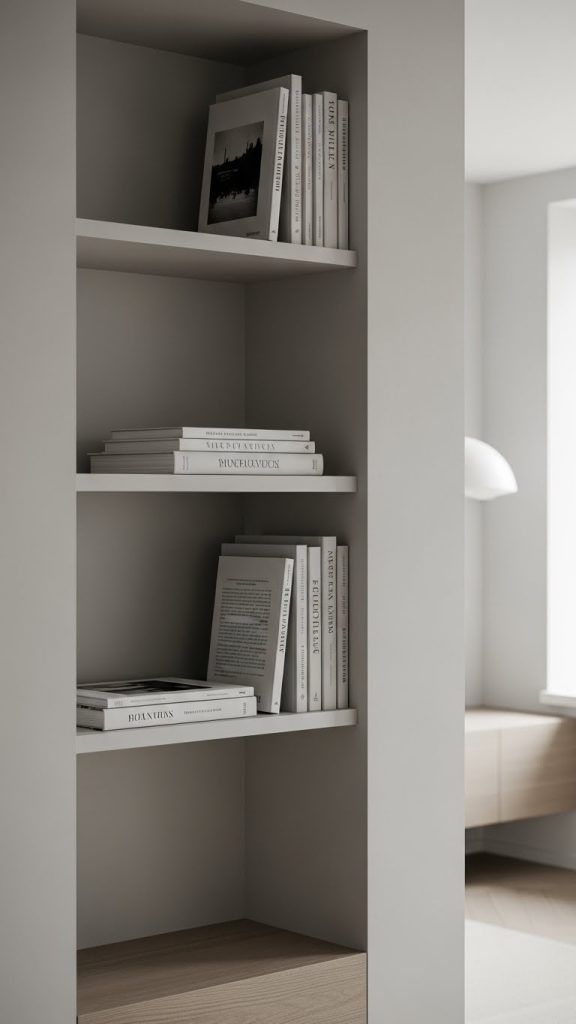
7. Minimalist Book Collection
A minimalist book collection focuses on quality over quantity. Only meaningful or frequently used books are kept, creating a calm and clutter free environment.
Preparation involves decluttering and selecting books that truly add value. Limit the number of shelves and keep spacing open. Neutral colored shelves enhance the minimalist look.
Materials include simple shelves, uniform book covers, and hidden storage for extra items. Lighting should be clean and functional. Maintenance includes regular evaluation to remove unused books. This collection suits small apartments and modern interiors.
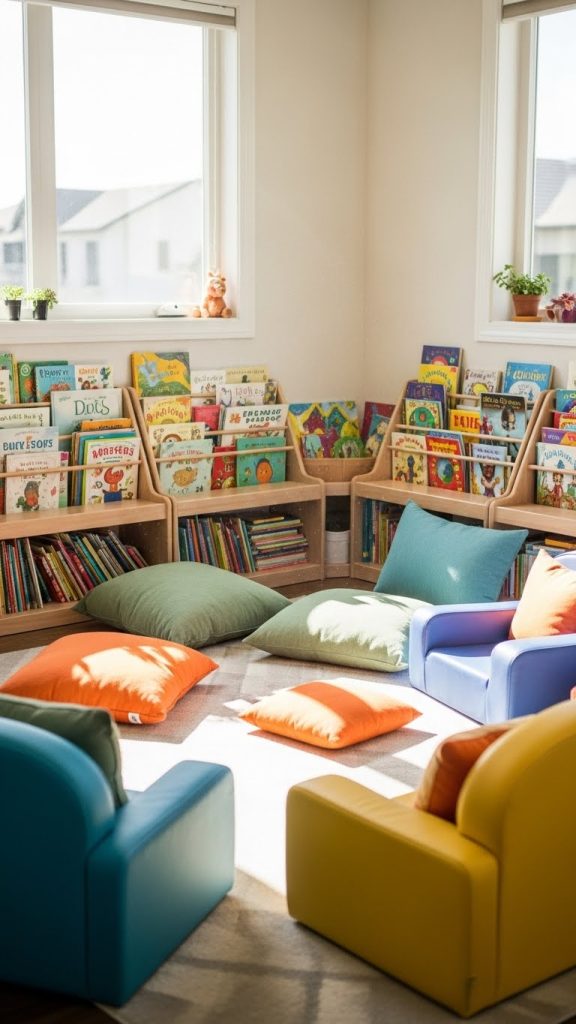
8. Children and Family Book Collection
A family book collection encourages reading for all ages. It includes children books, educational materials, and shared reading favorites.
Preparation includes sorting books by age group. Lower shelves should be used for children to access books easily. Durable and rounded edge shelves improve safety.
Materials include colorful shelves, storage bins, and washable book covers. Lighting should be bright but soft. Maintenance involves repairing damaged books and rotating selections to keep interest high. This collection works well in living rooms or play areas.
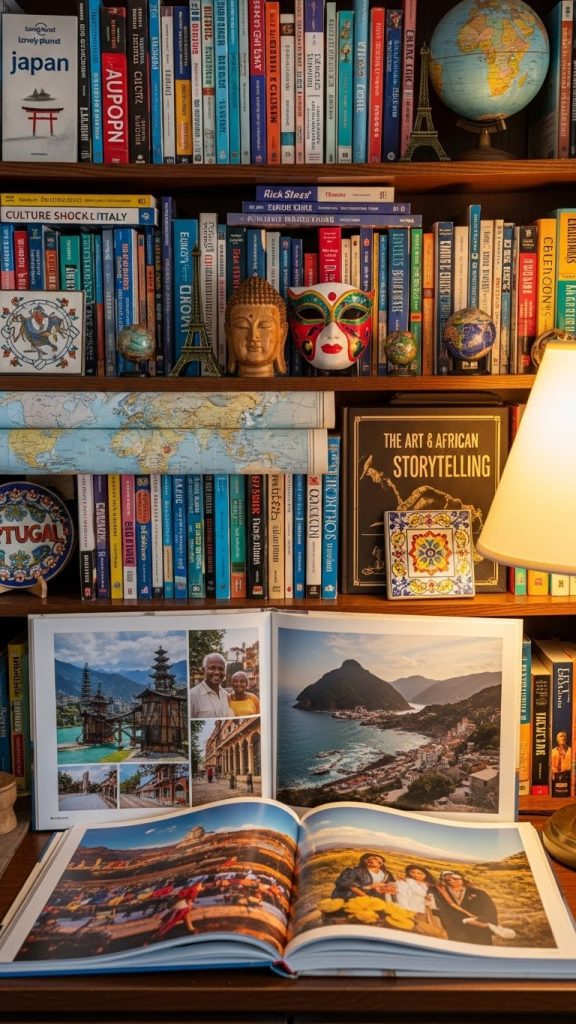
9. Travel and Culture Book Collection
A travel themed book collection includes travel guides, cultural studies, photography books, and language learning materials. It reflects curiosity and global interest.
Preparation starts by grouping books by region or theme. Shelves can include decorative elements like maps or souvenirs. Planning space for large photo books is important.
Materials include wide shelves, book stands, and accent lighting. Maintenance involves keeping books clean and well organized. This collection fits well in living rooms or study areas.
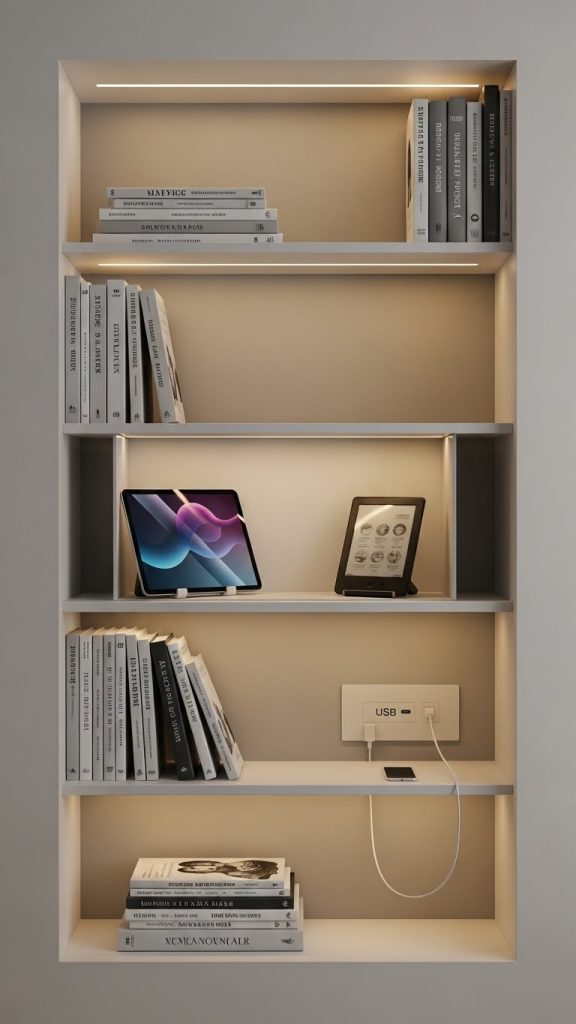
10. Digital and Physical Hybrid Book Collection
A hybrid collection combines physical books with digital reading tools. It balances tradition and technology.
Preparation includes deciding which books to keep physically and which to store digitally. Create a charging station near shelves. Use compact shelves to save space.
Materials include shelves, tablet stands, and storage boxes. Maintenance involves keeping devices charged and updating digital libraries. This collection is ideal for modern lifestyles and limited spaces.