Crafting is one of the most fulfilling ways to express creativity, relax, and even make unique gifts. Whether you are a beginner or an experienced artisan, having the right craft supplies can make a significant difference in your projects. From paper crafts to sewing, painting, or DIY home decorations, the variety of materials available today allows for endless creative possibilities. Choosing the right craft supplies not only enhances the quality of your work but also makes the crafting process smoother and more enjoyable. This blog post explores ten essential craft supply ideas that every crafter should consider. Each item includes preparation tips, materials needed, and practical uses, helping you to plan your next project effectively. With these supplies, you can explore multiple crafting techniques, experiment with new styles, and even start small creative businesses. Whether you prefer traditional crafts or modern DIY projects, these ideas will inspire you to stock your crafting space with versatile and high-quality materials that spark creativity.
1. Acrylic Paints
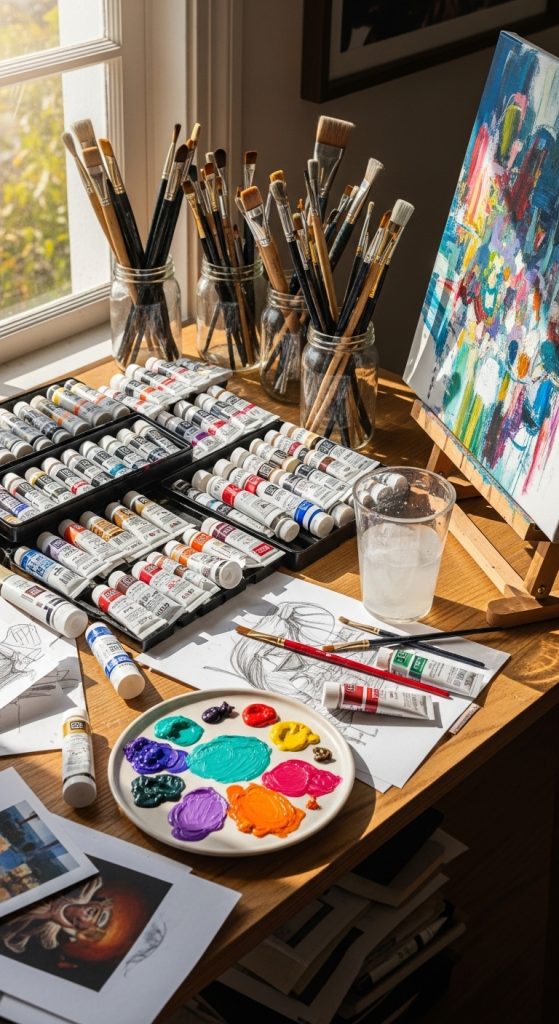
Acrylic paints are a versatile and essential supply for any crafter. They are water-based, dry quickly, and can be used on a variety of surfaces, including canvas, wood, fabric, and ceramics. Before starting your project, make sure to prepare the surface by cleaning it and applying a primer if necessary. Acrylic paints can be mixed to create custom colors, and adding mediums such as gloss or matte gels can enhance texture and finish. They are suitable for painting fine details or large areas, making them ideal for both beginner and professional artists. Essential materials include brushes in different sizes, a palette for mixing colors, water for cleaning brushes, and protective sheets for your workspace. Acrylic paints are not only cost-effective but also durable, making your creations long-lasting. They are also non-toxic, which is suitable for family-friendly crafting. With acrylic paints, you can create everything from wall art and personalized gifts to decorative home items. Experimenting with layering techniques and blending colors can yield unique effects that make your craft projects stand out.
2. Colored Paper and Cardstock
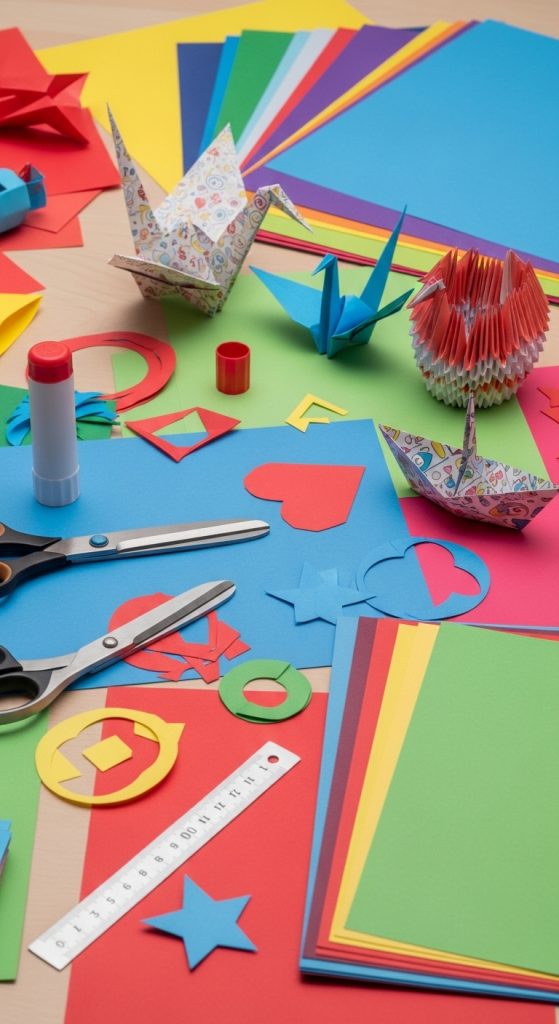
Colored paper and cardstock are basic yet indispensable supplies for crafting. They are perfect for scrapbooking, card making, origami, paper flowers, and other paper crafts. Cardstock is thicker and more durable, suitable for creating 3D projects and strong structures, while colored paper is ideal for folding, cutting, and layering. Preparation involves cutting the paper into desired shapes using scissors, craft knives, or die-cut machines. Adhesives such as glue sticks, double-sided tape, or craft glue ensure secure attachment. Other helpful materials include rulers, stencils, and bone folders for precise folds. Colored paper comes in various textures, patterns, and weights, which allows for versatile design options. By combining different colors and patterns, you can make eye-catching projects, greeting cards, or decorative items. Paper crafting encourages creativity and is accessible for all ages, making it suitable for home, school, or crafting workshops. Organizing your paper by color and size will save time and help you plan projects efficiently. Using recycled or handmade paper can add a unique, eco-friendly touch to your creations.
3. Fabric and Textiles
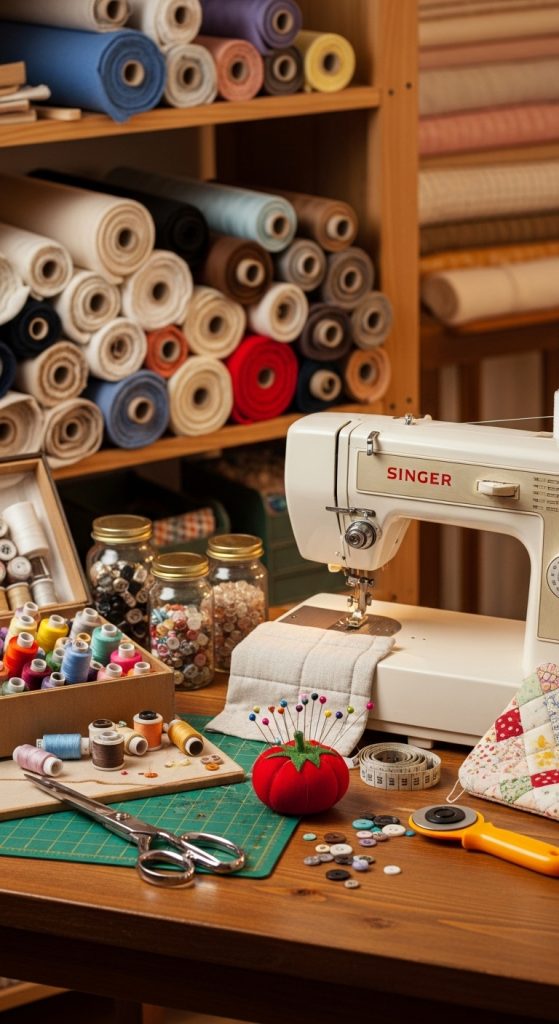
Fabric and textiles are essential for sewing, quilting, embroidery, and other textile-based crafts. Materials like cotton, felt, linen, and denim provide diverse options for creative projects. Before starting, prepare the fabric by washing and ironing it to prevent shrinkage and remove wrinkles. Sewing supplies such as needles, thread, scissors, pins, and a sewing machine are necessary for most fabric crafts. Fabric glue and fusible interfacing can also be used for no-sew projects. Fabric crafts can range from simple pillowcases or tote bags to intricate quilts and embroidered artwork. Combining different textures, colors, and patterns allows for visually appealing results. Storing fabric properly, rolled or folded, prevents creases and keeps it in good condition. Choosing high-quality fabric ensures durability and enhances the overall finish of your project. Learning basic stitching techniques can expand your creative possibilities, while experimenting with fabric painting, dyeing, or applique adds originality. Fabric and textile crafting are versatile, functional, and can be both decorative and practical, making them a must-have in any crafter’s toolkit.
4. Beads and Jewelry Findings
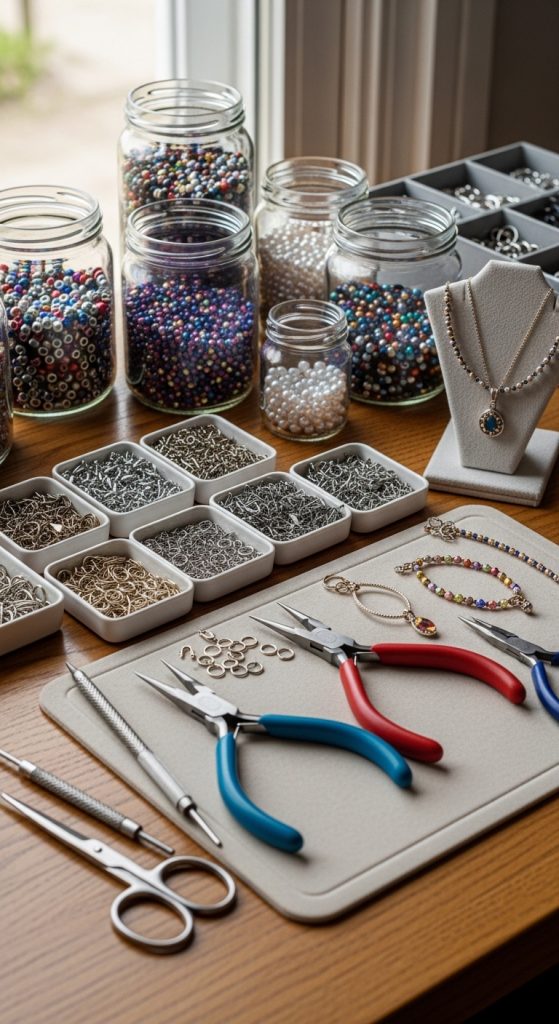
Beads and jewelry findings are key supplies for creating handmade jewelry such as necklaces, bracelets, earrings, and keychains. Beads come in various materials, including glass, wood, plastic, and metal. Jewelry findings, such as clasps, jump rings, and earring hooks, are essential for assembling and finishing your pieces. Preparation includes organizing beads by size and color and designing patterns before stringing. Tools such as pliers, wire cutters, and beading needles make the process easier. Beading projects can range from simple strands to complex woven or macrame designs. Using high-quality materials ensures your jewelry is durable and professional-looking. Storage solutions like bead boxes or compartmentalized trays keep materials sorted and prevent loss. Bead crafting encourages creativity and allows for personal expression, as each piece can be customized in terms of color, style, and size. Combining beads with other materials, like charms, ribbons, or fabric, expands design possibilities. Handmade jewelry can also be sold as a small business venture, making beads and jewelry findings both creative and practical supplies for crafters.
5. Clay and Modeling Compounds
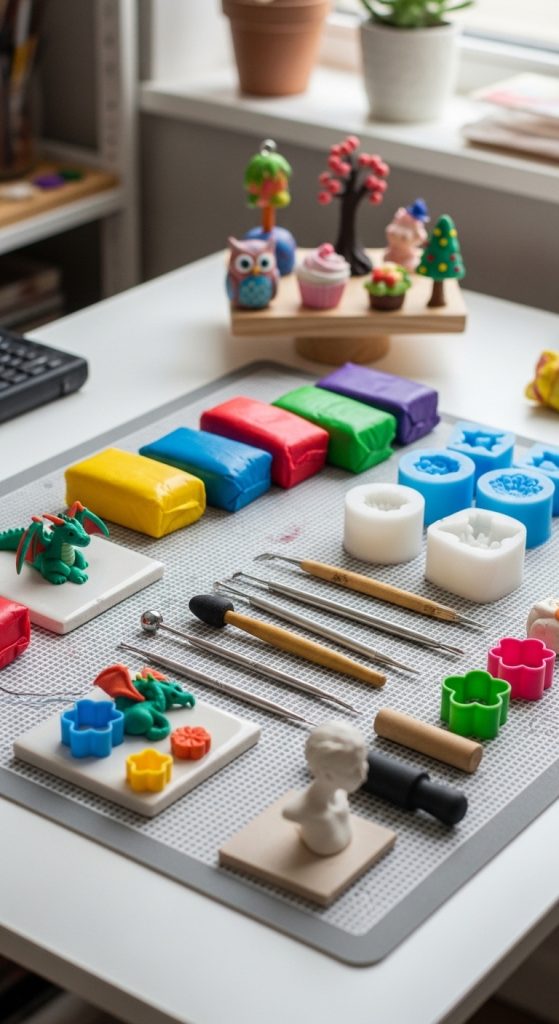
Clay and modeling compounds are versatile materials for sculpting, DIY home decor, and miniature crafts. Air-dry clay, polymer clay, and modeling clay offer different properties depending on the project. Air-dry clay hardens without baking, while polymer clay requires curing in an oven. Before starting, prepare your workspace with a non-stick surface and keep tools such as sculpting knives, rolling pins, molds, and shaping tools ready. Clay can be painted, glazed, or left natural depending on the desired effect. Modeling compounds are ideal for making small figures, ornaments, jewelry, and decorative objects. Keeping clay airtight prevents it from drying out prematurely. Combining clay with other craft supplies, such as beads or wire, allows for more intricate creations. Practicing basic techniques like rolling, pinching, coiling, and cutting can help achieve professional-looking results. Clay crafting stimulates tactile creativity and is suitable for all ages, providing endless opportunities for functional and decorative handmade items.
6. Glue, Adhesives, and Tapes
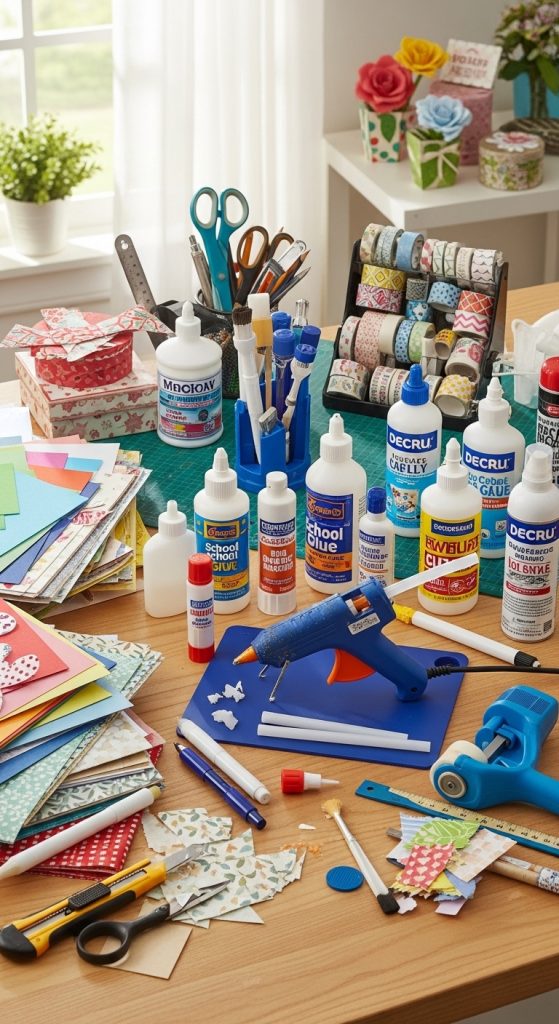
Glue, adhesives, and tapes are fundamental for assembling and securing craft projects. There are various types of adhesives, including white glue, hot glue, craft glue, double-sided tape, and glue dots. Each type is suited for specific materials such as paper, fabric, wood, or plastic. Preparation includes ensuring surfaces are clean and dry before applying adhesives. Tools like glue guns, brushes, and applicators help with precise and even application. Adhesives are essential for scrapbooking, mixed-media projects, jewelry making, and home decor crafts. Choosing the right adhesive prevents warping, bubbling, or long drying times. Storing adhesives properly ensures they remain effective for future use. Crafting with adhesives requires patience, especially for complex or layered designs. Using temporary adhesives or masking tape can help with positioning before final attachment. Mastering different gluing techniques enhances the quality and longevity of your crafts, making adhesives an indispensable supply for any crafter.
7. Brushes and Painting Tools
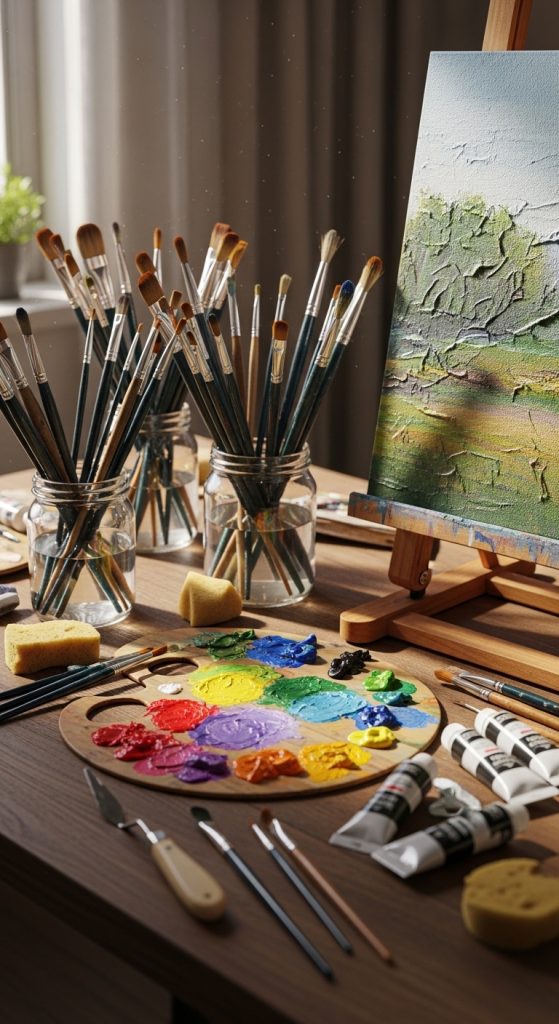
Brushes and painting tools are essential for any painting or mixed-media project. Various brushes, such as round, flat, fan, and angled, allow for different painting techniques. Preparation includes selecting the appropriate brush for the type of paint and surface. Cleaning brushes regularly ensures longevity and prevents color contamination. In addition to brushes, tools like sponges, palette knives, and rollers provide texture and creative effects. Painting tools are used for canvas art, wall decor, fabric painting, and even crafts with clay or paper. Quality brushes made from synthetic or natural bristles enhance control and precision. Organizing brushes by size and type keeps your workspace efficient. Experimenting with different brush strokes, layering, and blending techniques can elevate your artwork. Brushes are versatile tools that, when combined with paints, inks, or markers, allow for endless creativity in craft projects. Choosing the right brush and maintaining it properly is key to achieving professional and satisfying results.
8. Markers, Pens, and Drawing Tools
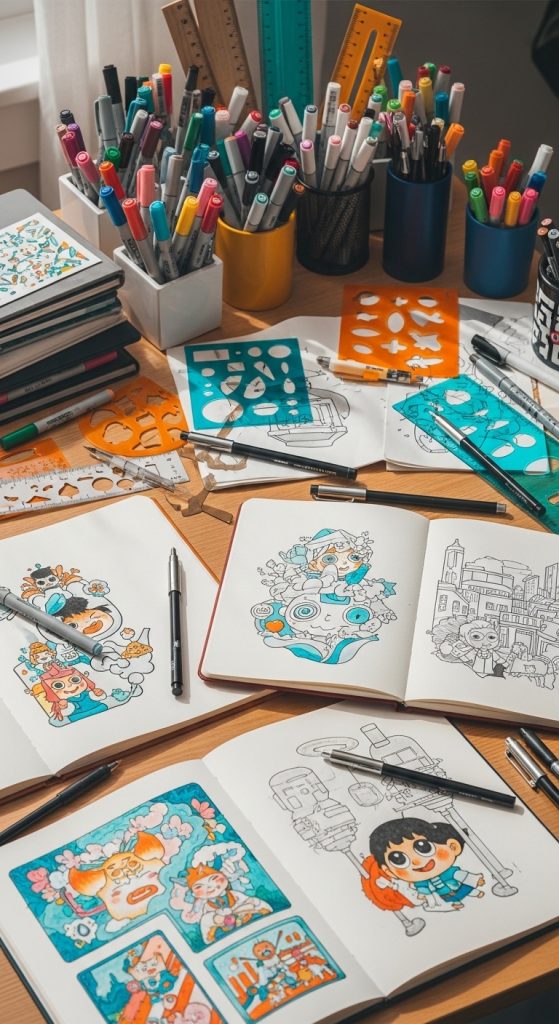
Markers, pens, and drawing tools are essential for adding details, writing, and designing in craft projects. Types include permanent markers, watercolor markers, gel pens, calligraphy pens, and colored pencils. Preparation involves selecting the right type of tool for the surface and desired effect. Tools like rulers, stencils, and erasers can enhance precision and creativity. These supplies are ideal for card making, journaling, scrapbooking, and mixed-media art. Quality pens and markers ensure vibrant colors and smooth application. Experimenting with layering, shading, and blending techniques allows for professional-looking results. Storing markers capped and pens horizontally or in holders prevents drying and damage. Drawing tools are highly versatile, suitable for sketching, doodling, lettering, and detailed illustrations. With a selection of markers and pens, crafters can combine color, texture, and design to bring unique ideas to life in various creative projects.
9. Stencils, Stamps, and Templates
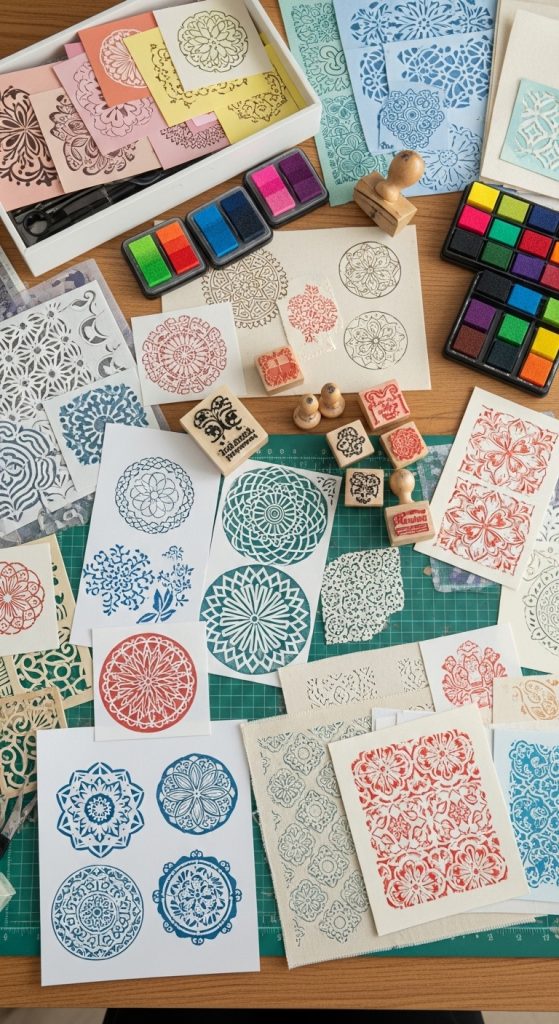
Stencils, stamps, and templates are useful for adding patterns, designs, and textures to craft projects. Stencils can be used with paint, ink, or embossing paste to create repeating shapes and intricate designs. Rubber or acrylic stamps allow for stamping images and lettering on paper, fabric, or wood. Templates provide guidance for cutting shapes and assembling projects accurately. Preparation involves selecting the right size, positioning the stencil or stamp carefully, and using appropriate inks, paints, or markers. Cleaning stencils and stamps after each use ensures durability. These tools are ideal for scrapbooking, card making, journaling, fabric crafts, and decorative DIY projects. They save time and help achieve professional-looking results. Combining stencils, stamps, and templates with freehand techniques allows for unique and customized designs. Organizing them by size, shape, or theme keeps your crafting space efficient. These tools provide endless possibilities for creative experimentation and precise decoration in various projects.
10. Craft Storage and Organization Supplies
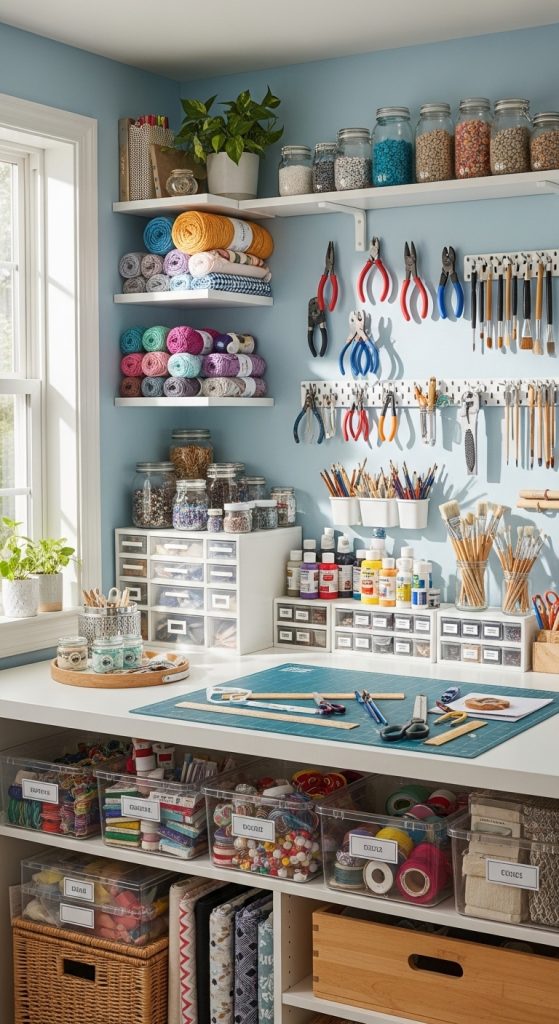
Craft storage and organization supplies are essential for maintaining a clean, efficient, and accessible workspace. Containers, bins, drawers, jars, and compartment boxes help keep craft supplies like beads, paints, fabric, and tools organized. Labeling containers improves efficiency and makes finding materials easier. Preparation includes evaluating your crafting space and choosing storage solutions that maximize accessibility and functionality. Using shelves, racks, or rolling carts can optimize limited space. Organizing supplies by type, color, or project ensures a streamlined workflow. Proper storage prevents damage, loss, and clutter, which enhances creativity and productivity. Craft organization also includes portable solutions for crafters on the go, such as toolkits or travel cases. With a well-organized crafting area, you can focus more on your projects, experiment with new ideas, and enjoy a stress-free creative process. Maintaining your craft supplies with proper storage extends their lifespan and keeps your workspace inspiring.