
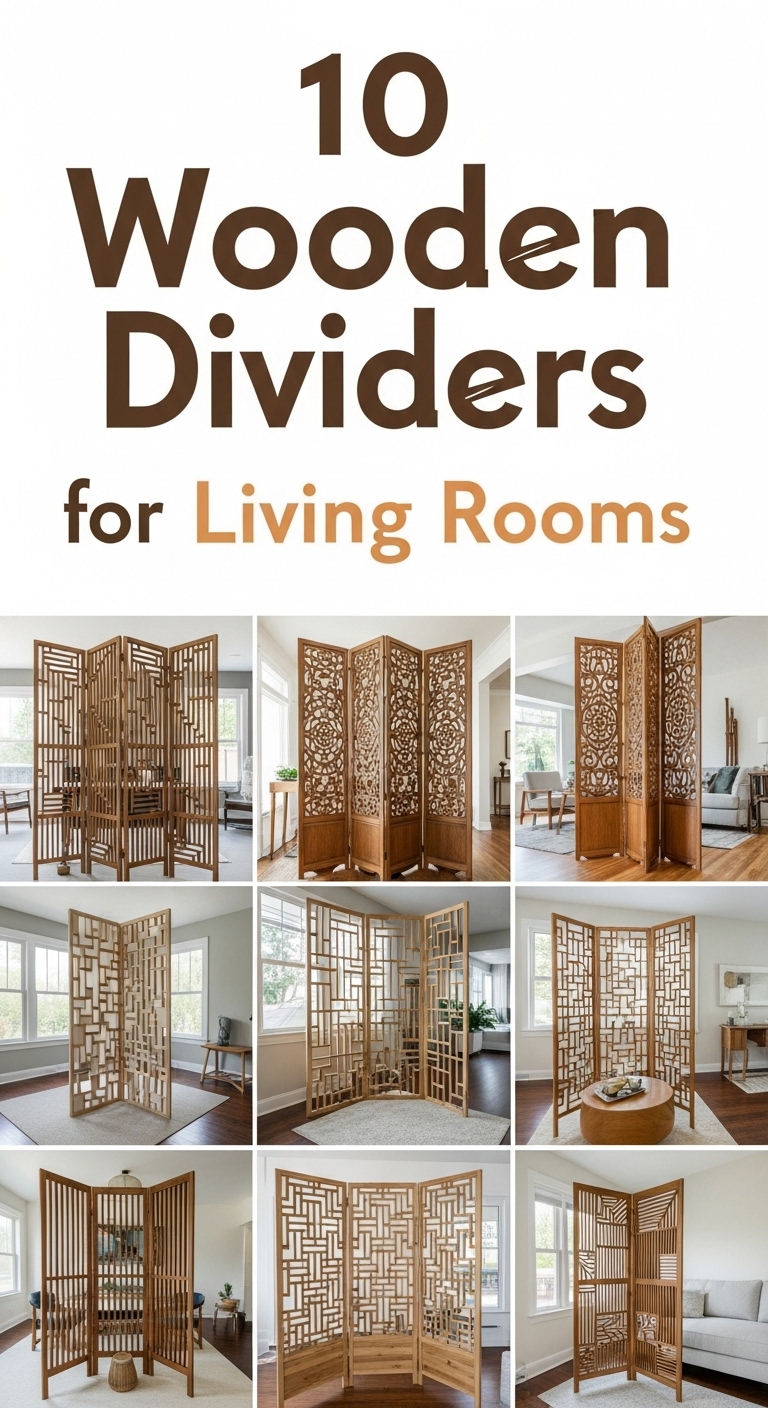
Living rooms are the heart of a home, offering a space for relaxation, entertainment, and family gatherings. However, open-plan layouts and shared spaces often lack defined zones, making the area appear cluttered or disorganized. Wooden dividers are an elegant and versatile solution, combining functionality with aesthetic appeal. They provide privacy, improve spatial organisation, and enhance interior design without major construction. Wooden dividers are durable, timeless, and can fit multiple styles, from minimalist and modern to rustic and traditional. They are also eco-friendly, especially when made from reclaimed or sustainable wood. In this guide, we explore ten creative wooden divider ideas suitable for living rooms, detailing preparation steps, materials needed, installation tips, and decorative considerations. Each divider idea helps you transform your space into a stylish, organized, and comfortable area. Whether you want partial separation or a complete room partition, wooden dividers offer flexibility and charm while complementing your interior design.
1. Vertical Wooden Slat Divider
Vertical wooden slat dividers are a modern and stylish way to separate zones in a living room. To prepare, measure the width and height of the intended space. Choose high-quality timber such as oak, pine, or teak. Materials needed include wooden slats, screws, wood glue, sandpaper, a drill, and optional varnish or stain. Begin by sanding the slats for smooth surfaces and apply stain or varnish for a polished look. Assemble the slats with uniform spacing and attach them to a base or ceiling for stability.
This divider is ideal for open-plan living rooms, creating a visual separation without blocking natural light. The vertical lines add height and sophistication, while the wooden finish brings warmth. These dividers are versatile, allowing partial openness or complete separation depending on slat spacing. They also serve as a decorative element, complementing contemporary, Scandinavian, or rustic interiors. Maintenance is simple, requiring occasional dusting and re-polishing to retain the finish. Vertical slat dividers can be enhanced with plants or integrated shelving to add functionality, making them both practical and visually appealing.

2. Wooden Panel Divider with Carvings
A wooden panel divider with intricate carvings adds a touch of traditional elegance to any living room. Preparation involves measuring the designated area and selecting the type of wood suitable for carving, such as mahogany or teak. Materials include pre-carved wooden panels or blank panels with carving tools, wood stain, screws, and brackets. Sand the panels and apply protective finish to enhance durability. Secure the panels in a freestanding frame or attach them to walls for stability.
These dividers are perfect for creating a focal point while separating spaces. Carved patterns allow partial visibility, giving an artistic and luxurious feel. They are commonly used in living rooms to divide seating areas from dining spaces while maintaining airflow and light. Carved wooden panels suit traditional, vintage, or eclectic interiors and add depth and texture to the room. Maintenance involves dusting and polishing to prevent the wood from drying out or fading. This type of divider not only serves a functional purpose but also doubles as wall art, enriching the living room’s visual appeal.

3. Folding Wooden Screen
Folding wooden screens are portable and versatile, offering flexible space division. Preparation requires choosing a location and deciding on the number of panels needed to cover the area. Materials include wooden panels, hinges, screws, sandpaper, and optional varnish. Sand and polish the panels, attach them with hinges, and ensure smooth folding action. Test the panels for balance and stability before placement.
Folding screens provide instant separation between seating areas, home offices, or entryways. They are ideal for renters and those who frequently rearrange spaces. These dividers can feature carved designs, slats, or plain finishes, complementing various interior styles from modern to rustic. They are easy to move, fold, and store when not in use. In addition to privacy, folding screens can hide clutter or act as a decorative backdrop. Maintenance is minimal, involving regular dusting and occasional polishing. Their adaptability makes them suitable for both small apartments and spacious living rooms, offering style and function in one piece.

4. Wooden Bookshelf Divider
A wooden bookshelf divider is a functional and stylish solution that separates living areas while providing storage. Preparation involves measuring the space and selecting a sturdy open or closed bookshelf. Materials needed include wooden shelves, screws, brackets, optional paint or stain, and styling items like baskets, books, and plants. Assemble the bookshelf and position it perpendicular to the wall to act as a room divider.
Bookshelf dividers are excellent for open-plan living rooms, creating distinct zones for lounging, dining, or working. Open shelves allow light to flow, preventing the space from feeling closed off. They also increase storage capacity and display options for decor items. For safety, anchor tall units to the wall to prevent tipping. These dividers suit modern, Scandinavian, or industrial interiors and can be styled seasonally to refresh the room’s look. Maintenance includes dusting and occasional polishing of wooden surfaces. The combination of practicality and aesthetic appeal makes bookshelf dividers a versatile addition to living rooms.

5. Wooden Slatted Corner Divider
Corner dividers made of wooden slats are perfect for creating cozy corners or defining small spaces within a living room. Preparation requires measuring the corner dimensions and selecting durable wood like pine, oak, or walnut. Materials include wooden slats, screws, drill, sandpaper, and optional stain. Assemble the slats vertically or horizontally and fix them in place, ensuring stability for a freestanding or wall-mounted setup.
Corner dividers are ideal for reading nooks, small office areas, or plant corners. The slatted design maintains openness and allows light to pass, preserving a spacious feel. These dividers add visual interest and height, making the corner more inviting. They suit contemporary, Scandinavian, and rustic decor styles. Occasional dusting and re-polishing will keep them looking fresh. You can enhance functionality by integrating shelves or hooks for storage. Corner dividers provide an effective way to maximize space while maintaining a stylish and organized living room environment.

6. Wooden Ladder Divider
A wooden ladder divider is a modern and minimalist option that adds a vertical element to living rooms. Preparation involves measuring the desired height and width, selecting sturdy wood, and gathering screws, sandpaper, and varnish. Construct a ladder-style frame with evenly spaced horizontal bars. Optionally, attach it to a base or wall for stability.
Ladder dividers are ideal for hanging plants, lights, or decor items, making them both functional and visually appealing. They can define a seating area or create separation between the living room and other zones without blocking light. This divider works well in minimalist, industrial, and bohemian interiors. Maintenance is simple, requiring dusting and occasional varnish touch-ups. Ladder dividers are lightweight and portable, allowing easy repositioning. They also add an architectural element, drawing the eye upward and enhancing room height. Their versatility allows them to adapt to seasonal styling or different decor trends.

7. Wooden Panel Divider with Glass Inserts
Wooden panel dividers combined with glass inserts offer elegance while maintaining openness. Preparation requires measuring the living room area and selecting quality wood and tempered glass. Materials include wooden panels, glass sheets, screws, sandpaper, varnish, and installation tools. Fit the glass securely into the panels and finish the wood with varnish.
These dividers are perfect for maintaining visual continuity while defining spaces. The glass inserts allow light to flow through, preventing the room from feeling cramped. They are ideal for dividing living and dining areas or creating a semi-private home office zone. Wooden and glass dividers suit modern, contemporary, and traditional interiors. Regular cleaning of the glass and dusting of wooden surfaces is required. This type of divider combines sophistication and functionality, providing a high-end look without sacrificing openness. Decorative accents such as etched glass or tinted panels enhance style further.

8. Reclaimed Wood Divider
Using reclaimed wood for dividers adds sustainability and rustic charm. Preparation involves sourcing reclaimed wood planks, measuring the area, and cleaning or sanding the wood. Materials include wooden planks, screws, nails, drill, sandpaper, and optional stain. Assemble the planks vertically, horizontally, or in a staggered pattern, ensuring stability with a freestanding frame or wall mount.
Reclaimed wood dividers are perfect for eco-conscious living rooms, adding texture and character. The natural imperfections in reclaimed wood create a warm, inviting atmosphere. They can separate living areas, dining spaces, or entryways while maintaining openness depending on plank spacing. Maintenance involves occasional dusting and polishing. These dividers suit rustic, industrial, farmhouse, or eclectic interiors. The versatility in design allows for creative patterns, combining aesthetics and function. Using reclaimed wood also contributes to environmental sustainability, giving old materials new life in a stylish, practical manner.

9. Wooden Geometric Divider
A wooden geometric divider creates a contemporary and artistic separation in living rooms. Preparation involves measuring the space and selecting solid or engineered wood. Materials include wooden panels or planks, screws, sandpaper, wood glue, and varnish. Cut or buy pieces in geometric patterns such as hexagons, triangles, or rectangles, and assemble them in a freestanding frame or mounted structure.
Geometric dividers serve as a statement piece, defining space without overwhelming it. Open geometric patterns maintain light flow and visibility while adding visual interest. They are ideal for dividing seating areas, home offices, or media zones. Geometric wooden dividers suit modern, minimalist, and industrial interiors. Maintenance is simple, involving dusting and polishing to preserve the finish. They allow customization in size, color, and pattern, making them adaptable to changing decor trends. These dividers combine functionality with artistry, enhancing both form and purpose in living rooms.

10. Wooden Sliding Panel Divider
Sliding wooden panel dividers offer flexibility and elegance, allowing dynamic space separation. Preparation involves measuring the opening and selecting durable wood. Materials needed include wooden panels, sliding tracks, screws, sandpaper, and varnish. Install the tracks securely on the ceiling or wall and attach the panels, ensuring smooth sliding functionality.
Sliding dividers are ideal for creating private zones or opening up the space entirely when desired. They suit living rooms that double as dining areas, offices, or entertainment zones. Wooden panels can be plain, textured, or incorporate glass inserts for added style. Maintenance includes dusting, cleaning the tracks, and occasional re-polishing. Sliding dividers provide a sophisticated, modern solution that maximizes versatility. They are long-lasting, customizable, and integrate seamlessly with various interior design styles, from contemporary to rustic.
