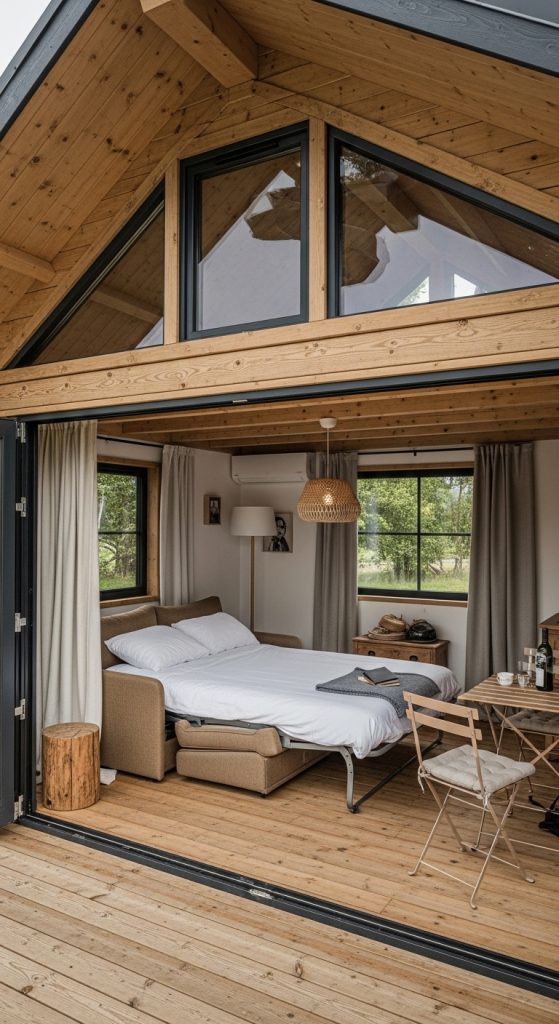
Modern barn houses combine rustic charm with contemporary design, creating spaces that are both functional and visually appealing. Unlike traditional barns, which were built mainly for storage or agricultural use, modern barn houses are designed for comfortable living while keeping the warm, natural aesthetic of wood and open spaces. These homes often feature high ceilings, large windows, and open floor plans that allow natural light to flood the interiors. The combination of traditional barn elements with modern materials such as steel, glass, and concrete results in a unique architectural style that suits both rural and suburban settings.
Building a modern barn house requires careful planning, from selecting the right site and materials to choosing the style and layout that suits your lifestyle. Considerations include energy efficiency, durability, and the ability to integrate modern amenities without losing the rustic feel. With the right approach, a barn-inspired home can serve as a peaceful retreat or a statement piece that stands out for its design and functionality. In this article, we will explore 10 modern barn house ideas, including preparation, materials, and design considerations to help you plan your dream home.
1. Classic Modern Barn with Open Floor Plan
A classic modern barn house often embraces an open floor plan, combining the living, dining, and kitchen areas into a single spacious room. This design maximizes natural light and airflow, making the space feel larger and more welcoming. High vaulted ceilings, exposed beams, and wooden walls provide a traditional barn aesthetic, while modern furnishings and finishes ensure comfort and style.
When planning an open floor plan, consider the placement of windows and skylights to enhance daylighting. Large sliding doors or French doors can connect the indoors with outdoor patios or gardens, creating a seamless flow. Materials such as reclaimed wood, steel frames, and polished concrete floors can maintain the rustic feel while ensuring durability. Preparation should include careful structural planning, especially if you want to remove interior walls or use wide spans without support columns.
Open floor plans are ideal for families who enjoy communal spaces or for entertaining guests. Combining functionality with the timeless beauty of barn architecture, this design creates a warm, inviting, and contemporary home that retains rustic charm.

2. Barn House with Loft Bedrooms
Incorporating loft bedrooms is a smart way to utilize vertical space in modern barn houses. A loft typically overlooks the main living area, allowing homeowners to maintain an open feel while providing private sleeping quarters. This design is especially useful for small plots or homes where maximizing square footage is important.
Construction of loft spaces requires strong floor joists and careful attention to safety, including sturdy railings and proper access via stairs or ladders. Materials like wood and steel can be combined to support the loft while complementing the overall barn aesthetic. Loft bedrooms also benefit from large windows or skylights, providing natural light and ventilation.
This layout encourages a cozy yet open atmosphere, making it ideal for parents or older children who want a private retreat while remaining connected to the main space. When planning a loft, consider sound insulation and privacy measures, such as partial walls or curtains. Overall, loft bedrooms enhance both functionality and the visual appeal of modern barn homes.

3. Glass-Focused Barn Design
Modern barn houses often incorporate large glass panels to bring the outdoors in and create a connection with nature. Floor-to-ceiling windows, glass sliding doors, and glass walls are common features in glass-focused barn designs. This approach maximizes natural light, making interiors brighter and more welcoming, while offering panoramic views of surrounding landscapes.
Materials for glass-focused barns include energy-efficient, double-glazed windows to reduce heat loss and maintain comfort. Steel or wooden frames can support large panes while preserving the barn’s structural integrity. Preparation includes precise measurements and planning for insulation, as glass walls can impact temperature regulation.
Glass-focused designs are perfect for scenic locations, allowing homeowners to enjoy natural surroundings without leaving the comfort of home. Additionally, glass elements can complement rustic materials like exposed timber and stone, blending traditional charm with modern elegance. Careful planning ensures both aesthetics and energy efficiency are maintained.

4. Minimalist Barn Style
Minimalism in barn houses focuses on clean lines, simple materials, and functional spaces. This design style strips away excess decoration while highlighting the natural beauty of wood, metal, and stone. Minimalist barns often feature neutral color palettes, uncluttered rooms, and carefully selected furniture to maintain a calm and airy environment.
Preparation for a minimalist barn involves careful selection of materials and finishes. Natural wood beams and flooring should be of high quality to serve as both structure and decoration. Concrete or steel accents add modern flair while ensuring durability. Efficient storage solutions and built-in furniture help maintain uncluttered interiors.
Minimalist barn houses are ideal for homeowners who value simplicity, organization, and low-maintenance living. Despite their simplicity, these homes retain warmth and character through natural materials and thoughtful design. The minimalist approach also emphasizes energy efficiency and sustainable building practices, making it a practical yet elegant choice.

5. Barn House with Outdoor Living Spaces
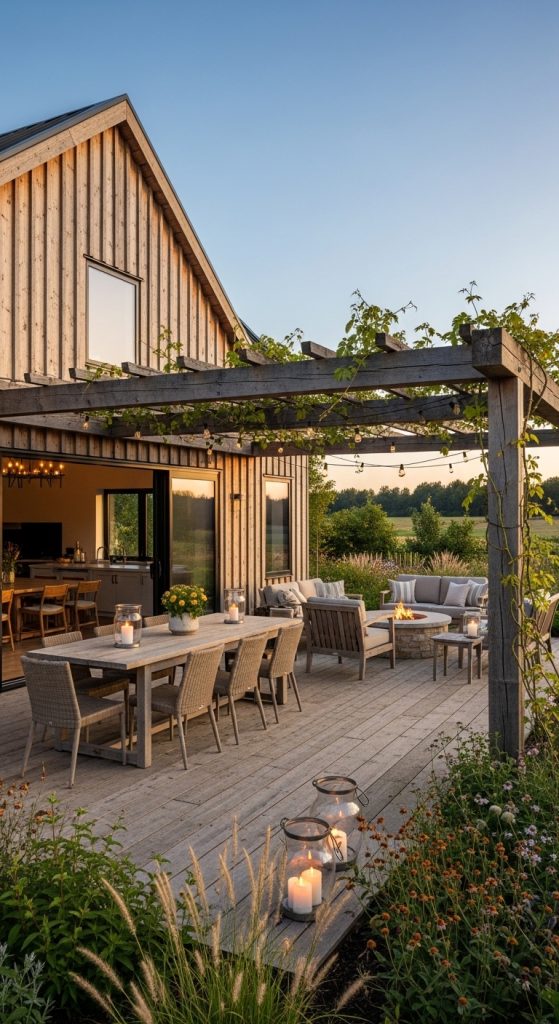
Integrating outdoor living areas into modern barn houses expands usable space and encourages interaction with nature. Patios, decks, pergolas, and outdoor kitchens can complement the interior design while providing functional spaces for dining, relaxation, or entertaining. Sliding glass doors or retractable walls create a seamless transition between indoor and outdoor areas.
Materials for outdoor living should be weather-resistant, such as treated wood, composite decking, and stainless steel fixtures. Planning includes site preparation, proper drainage, and integration with landscaping to prevent water damage or erosion. Consideration should also be given to privacy and shading through fences, screens, or pergolas.
Outdoor spaces extend the living experience and enhance the aesthetic appeal of barn houses. They are especially valuable in scenic rural or suburban areas, providing homeowners with an inviting environment to relax, host gatherings, or enjoy nature without leaving home.
6. Industrial-Style Barn Home
Industrial-style barn houses combine rustic wood elements with exposed steel, concrete, and mechanical fixtures for a modern, urban feel. This style emphasizes raw materials and structural features such as beams, trusses, and ductwork. Open spaces, high ceilings, and simple furnishings create a striking visual contrast between natural and industrial elements.
Preparation for an industrial barn home includes selecting durable materials that can handle wear and tear while maintaining aesthetic appeal. Exposed steel beams, concrete floors, and brick or wood walls form the structural and visual backbone. Lighting fixtures often serve as design elements, highlighting textures and features.
Industrial barn houses appeal to those who enjoy contemporary, edgy aesthetics while preserving the warmth of wooden elements. This design balances ruggedness with elegance, creating homes that are functional, stylish, and uniquely modern.

7. Sustainable Barn House
Sustainability is a key consideration in modern barn homes. Using environmentally friendly materials, energy-efficient systems, and renewable energy sources reduces environmental impact and lowers utility costs. Examples include solar panels, green roofs, reclaimed wood, and insulated windows. Proper orientation of the house also maximizes natural light and passive heating.
Preparation involves selecting materials that are locally sourced, durable, and low in chemical content. Energy-efficient appliances, LED lighting, and water-saving fixtures further enhance sustainability. Landscaping with native plants reduces maintenance and water use.
A sustainable barn house demonstrates that eco-conscious living can coexist with style and comfort. This approach benefits the environment, improves indoor air quality, and can increase the long-term value of the home. Sustainable design also offers the flexibility to integrate modern technology while retaining traditional barn charm.

8. Multi-Level Barn Home
A multi-level barn house takes advantage of vertical space, often including a combination of lofts, mezzanines, and split levels. This design allows for clear separation of living areas, private bedrooms, and workspaces while maintaining an open and airy feel. Stairs, ladders, and railings are essential elements that connect different levels safely.
Materials such as wood, steel, and reinforced concrete are commonly used to ensure structural integrity. High ceilings and large windows help prevent upper floors from feeling cramped. Careful planning of furniture placement and storage is essential to maximize usable space.
Multi-level barn homes are ideal for families or individuals who require distinct zones for living, working, and entertaining. The vertical layout enhances visual interest, creates dynamic interior spaces, and allows for creative use of natural light and views.

9. Barn House with Mixed Materials
Using a combination of materials adds depth and character to modern barn houses. Mixing wood, stone, brick, and metal can highlight different architectural features and create a visually appealing exterior and interior. For example, a stone foundation, wooden walls, and metal roof can balance durability, rustic charm, and modern aesthetics.
Preparation requires careful planning to ensure materials complement each other and meet structural requirements. Attention to texture, color, and weather resistance is essential. Proper insulation and sealing prevent energy loss, especially when using multiple materials with different thermal properties.
Mixed-material barn houses appeal to homeowners who want unique, personalized homes that blend traditional and modern elements. This approach allows for creativity in design while providing long-lasting durability and practical living spaces.

10. Compact Modern Barn House
Compact barn homes focus on efficiency without sacrificing style or comfort. These smaller houses are perfect for tiny plots or those seeking low-maintenance living. Despite limited square footage, compact barns use open layouts, lofts, and multifunctional furniture to maximize space.
Materials should be lightweight yet durable, such as engineered wood, steel, and insulated panels. Planning includes careful consideration of storage, natural light, and ventilation to prevent cramped or dark interiors. Compact designs often incorporate outdoor extensions or patios to expand living space.
A compact modern barn house offers affordability, energy efficiency, and simplicity. It demonstrates that barn-inspired homes do not require expansive land to achieve aesthetic appeal and functional living. Creative design and thoughtful material selection make compact barns comfortable, modern, and stylish.