

Creating bunny face templates for kids is a fantastic way to combine art, creativity, and learning. Bunny faces are simple, adorable, and versatile, making them perfect for preschoolers, kindergarteners, and early primary students. These templates can be used in classrooms, at home, or during seasonal events like Easter. They help children develop fine motor skills, hand-eye coordination, and creativity.

Preparing and using bunny face templates is simple and requires minimal materials, making it accessible for everyone. Templates can range from basic shapes for younger kids to slightly more detailed designs for older children. Kids can color, decorate, and even cut out their bunnies, giving them a sense of accomplishment and pride in their work. In addition to art, bunny templates can also be used for storytelling, role-playing, and learning about animals.
This post provides ten clear and practical bunny face templates, with step-by-step guidance for preparation, materials, and creative uses. Each template idea is carefully explained to ensure that parents, teachers, and caregivers can easily follow along and make the experience fun, educational, and engaging.
1. Classic Bunny Face Template
A classic bunny face template is simple, featuring two large ears, a round face, and a small nose. This template is perfect for beginners and preschoolers. The round face gives children ample space to color and decorate.
Preparation: Print the template on thick paper for durability. You can also draw it by hand using a pencil, a circular object for the face, and two elongated ovals for ears.
Materials: Paper, crayons, markers, colored pencils, and safety scissors.
Use: Children can color the bunny face, add whiskers, and decorate the ears with patterns. Teachers can use this template for a classroom Easter activity, encouraging kids to work on fine motor skills.
Tips: To make it more engaging, add cotton balls for a fluffy nose or glitter for a festive touch. This template can also be used as a base for making bunny masks.

2. Cartoon Bunny Face Template
The cartoon bunny face template introduces exaggerated features like big eyes and a smiling mouth. This style appeals to children who enjoy animated characters and helps develop imaginative skills.
Preparation: Draw or print a cartoon-style bunny face with oversized eyes and a wide smile. Ensure the shapes are simple and easy to color.
Materials: Cardstock, markers, crayons, colored pencils, and optional googly eyes.
Use: Kids can color the template and add stickers or other decorative items. This template can also be used for storytelling activities, where children create their bunny characters.
Tips: Encourage children to give their bunnies unique personalities by drawing different expressions or accessories. This promotes creativity and emotional learning.

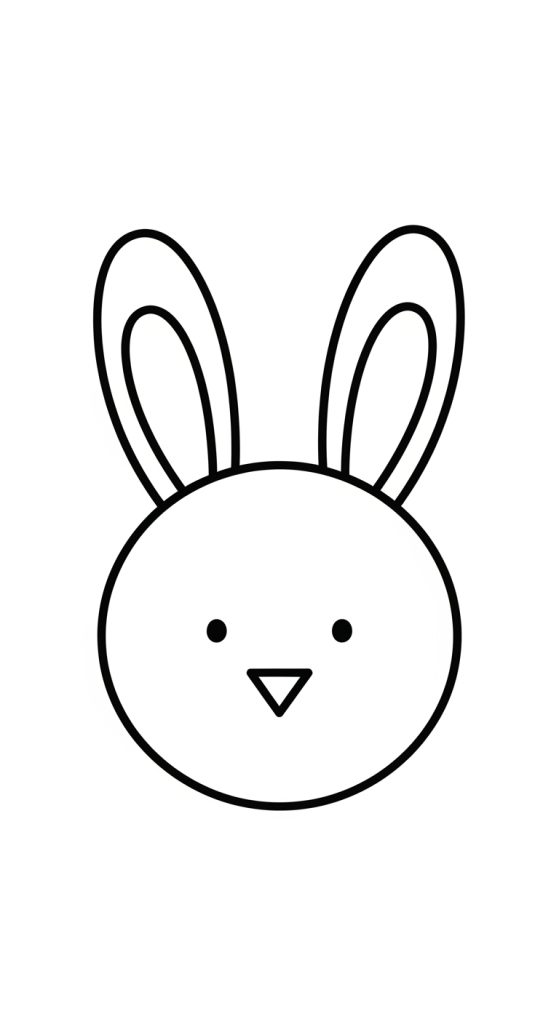
3. Minimalist Bunny Face Template
A minimalist bunny face focuses on simple lines and shapes, making it ideal for toddlers or very young children. The template usually includes only the outline of the face, ears, and nose.
Preparation: Use basic geometric shapes for the face and ears. Print the template on white paper for easy coloring.
Materials: Paper, crayons, markers, colored pencils, and optional stickers.
Use: Minimalist templates are excellent for teaching young children about shapes and spatial awareness. Children can practice coloring within lines and recognize patterns.
Tips: To enhance learning, ask children to match the shapes with objects in their environment, such as round balls or oval leaves. This makes the activity both artistic and educational.
4. Easter Bunny Face Template
This template is themed for Easter, often including accessories like bows, flowers, or Easter eggs. It is ideal for holiday crafts and decorations.
Preparation: Print or draw the template and add festive elements like decorated ears or bunny hats.
Materials: Paper, crayons, colored pencils, markers, cotton balls, and decorative stickers.
Use: Children can color the Easter bunny and use it as a card or decoration. This template is also perfect for group activities at schools or community events.
Tips: Encourage children to write small messages inside the bunny face for Easter cards. This combines art with literacy practice.

5. Realistic Bunny Face Template
For older children, a realistic bunny face template provides more detail, including facial features like fur texture and realistic ear shapes.
Preparation: Print or sketch a bunny face using reference images. Focus on the proportions of the eyes, nose, and ears.
Materials: Drawing paper, pencils, colored pencils, and fine-tip markers.
Use: Children can color the template realistically or add imaginative touches. This template is helpful for learning about animals and observing nature.
Tips: Discuss the different types of bunnies and their characteristics while children color. This can make the activity more informative and engaging.

6. Bunny Face Mask Template
A bunny face mask template allows children to create wearable art. The template usually includes a cut-out for the eyes and elastic for wearing.
Preparation: Print the template on sturdy cardstock and mark the eye holes. Punch holes for elastic or string.
Materials: Cardstock, crayons, markers, scissors, and elastic bands.
Use: Kids can color the mask and wear it for pretend play or school events. This encourages social interaction and role-playing.
Tips: Add 3D features like cotton ball noses or felt ears for more realistic and fun masks.

7. Geometric Bunny Face Template
This template uses shapes like triangles, circles, and rectangles to form the bunny face. It is excellent for teaching shapes and geometry in a fun, creative way.
Preparation: Draw the bunny face using geometric shapes. Keep the shapes large for easy coloring.
Materials: Paper, colored pencils, markers, and rulers for precision.
Use: Children can color and decorate each shape differently, learning about symmetry, shapes, and spatial awareness.
Tips: Encourage children to identify each shape as they color. This promotes cognitive skills and pattern recognition.

8. Printable Bunny Face Coloring Template
A printable coloring template provides ready-to-use designs that children can color without preparation. These are time-saving and versatile.
Preparation: Download and print the templates from online resources. Choose designs appropriate for the child’s age.
Materials: Paper, crayons, markers, and colored pencils.
Use: Ideal for quick art activities, travel, or classroom worksheets. Children can color, cut, and even paste the bunny faces onto cards or posters.
Tips: Laminate the templates for repeated use with dry-erase markers, creating an eco-friendly activity that can be reused multiple times.

9. Mixed Media Bunny Face Template
This template allows children to experiment with different materials like cotton, felt, fabric, and paper scraps to create textured bunny faces.
Preparation: Print the template and provide areas marked for adding different materials.
Materials: Paper, glue, cotton balls, fabric scraps, markers, colored pencils, and scissors.
Use: Children can learn about textures, shapes, and sensory exploration while creating their bunnies. This type of craft is perfect for tactile learning.
Tips: Combine this activity with storytelling by asking children to give their textured bunnies names and personalities. This strengthens imagination and narrative skills.

10. DIY Bunny Face Template for Storytelling
This template combines creativity and literacy by encouraging children to create a bunny face and invent stories about it.
Preparation: Provide a blank bunny face template with basic outlines of ears and eyes. Leave space for children to add facial features and accessories.
Materials: Paper, crayons, markers, colored pencils, and optional stickers or stamps.
Use: Children color the bunny and create a story about its adventures. This encourages creative writing, public speaking, and social skills when shared in groups.
Tips: Teachers or parents can guide children to include elements like friendship, problem-solving, or adventure in their stories. This makes learning enjoyable and interactive.
