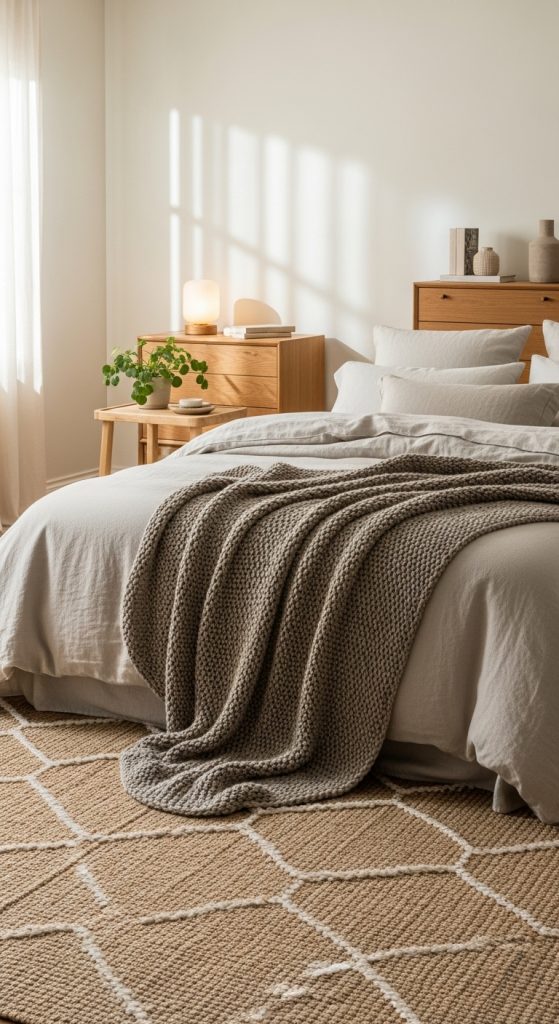
Creating a calm bedroom begins with choosing the right color palette, and nothing works better than neutral tones for building a peaceful atmosphere. Neutral colors offer a sense of balance, quietness, and simplicity that transforms even the busiest mind into a calmer state. These tones do not fight for attention and instead provide stability to your senses, making them ideal for a restful bedroom environment. Whether you prefer a modern, rustic, Scandinavian, or minimalist style, neutral colors blend effortlessly with every aesthetic. This detailed guide explores preparation steps, material choices, styling techniques, and ten fully explained ideas, each designed to help you build the soothing bedroom you envision. By the end, you will have practical knowledge to create a restful retreat grounded in softness and calmness.
Preparation and Material Planning Before Beginning
Before starting the transformation of your bedroom into a neutral toned sanctuary, careful preparation is essential. Begin by studying the existing condition of your room, including lighting, furniture, layout, wall texture, and the overall mood you want to achieve. Neutral tones behave differently under various lighting conditions, so pay close attention to natural light coming through windows during morning and evening hours. Warm neutrals may shift too yellow under direct sunlight while cool neutrals may appear gray during low light hours. For this reason, sample testing is crucial.
Next, gather materials such as paint swatches, texture boards, flooring samples, and fabric pieces. Create a small mood board to visualize how the tones coordinate with each other. Choose paint types that offer a matte or satin finish for a soft and calming effect. Gloss finishes tend to reflect too much light and disrupt the soothing atmosphere.
Consider key elements such as bedding, curtains, rugs, and furniture finishes. Materials like cotton, linen, wool, wood, wicker, and ceramic complement neutral tones perfectly. Aim to keep patterns minimal and rely more on textures for depth. Identify unnecessary furniture or decor and plan a decluttering strategy to maintain simplicity.
By preparing in advance with the right materials, well tested samples, and a clear design direction, you will set the foundation for a calming bedroom that supports rest and balance.
1 Soft Beige Walls for Warm Comfort
Soft beige is one of the most calming and adaptable neutral tones for a bedroom. This shade embraces warmth while maintaining a clean and gentle appearance that promotes relaxation. Beige works beautifully on all four walls as it does not overpower the room and blends well with natural materials like light wood, cotton bedding, and woven accessories. To execute this idea effectively, begin by choosing a matte or eggshell paint to avoid unnecessary shine. Test different samples on the wall at various points of the day because beige can shift towards yellow or cream based on lighting conditions.
When decorating a beige themed bedroom, pair the walls with off white or taupe bedding to maintain a balanced color scheme. Introduce subtle layering through knitted throws, linen pillow covers, and light beige drapery. Wooden furniture like oak or ash enhances the natural, warm effect of this palette. You can also add a minimal area rug in natural fibers like jute or wool for additional softness underfoot. Beige creates the perfect backdrop for both minimalist and traditional decor styles, making it versatile for long term use. The key is to build the room gradually by focusing on harmony, comfort, and natural textures that complement the relaxed feel of beige walls.
2 Light Gray Tones for a Modern Serene Look
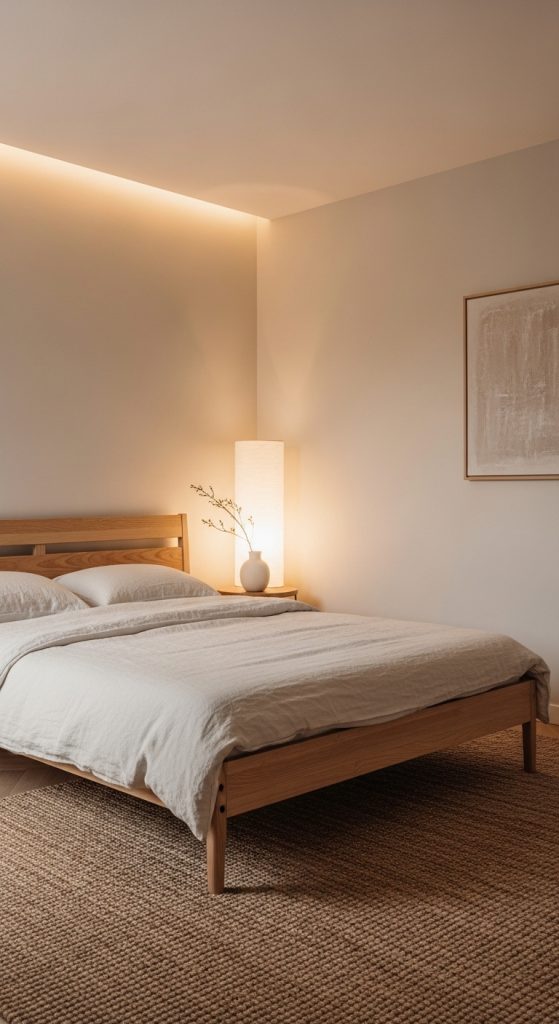
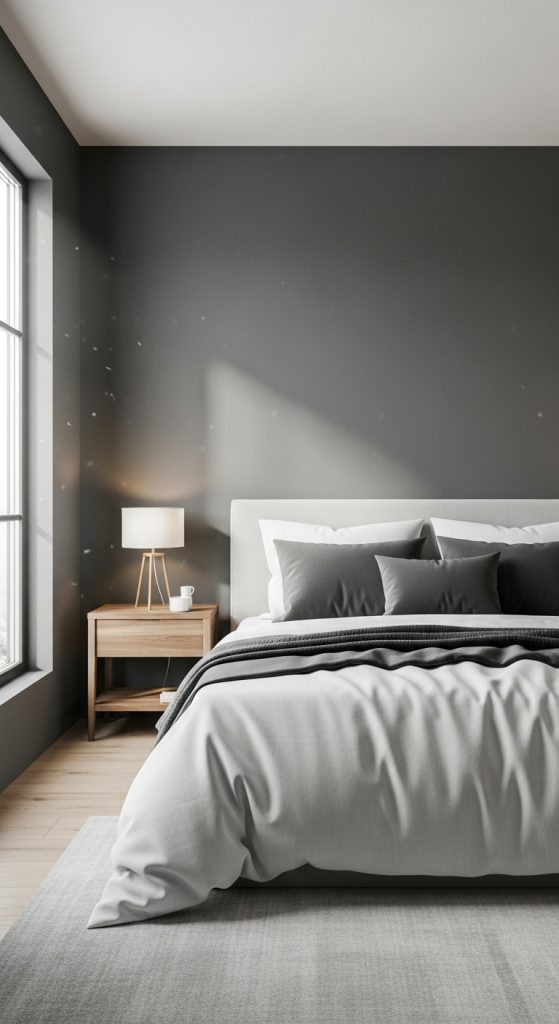
Light gray is an excellent neutral tone for creating a modern, clean, and serene bedroom. It introduces subtle coolness and sophistication without making the room feel cold. The strength of light gray lies in its ability to work as both a primary color and a balancing undertone that enhances other gentle shades. Before painting, choose a soft gray that leans slightly warm to prevent the room from feeling too stark. Test swatches on multiple walls to see how they look in natural and artificial light.
To style a light gray bedroom effectively, incorporate bedding with gentle contrasts like white, cream, or charcoal accents. This layering enhances visual depth without creating harsh transitions. Materials such as linen or brushed cotton help soften the coolness of gray. Wooden furniture and woven textures also bring warmth and prevent the space from feeling overly industrial. Keep patterns minimal and rely on texture, such as knitted throws or tufted headboards, to add interest.
For lighting, warm white bulbs help maintain a comforting atmosphere. Add a gray or white rug with a soft texture to ground the space. Light gray offers flexibility for long term decor and is ideal for bedrooms that blend modern and cozy elements. The result is a peaceful room that feels balanced and timeless.
3 Taupe Accents for Gentle Depth
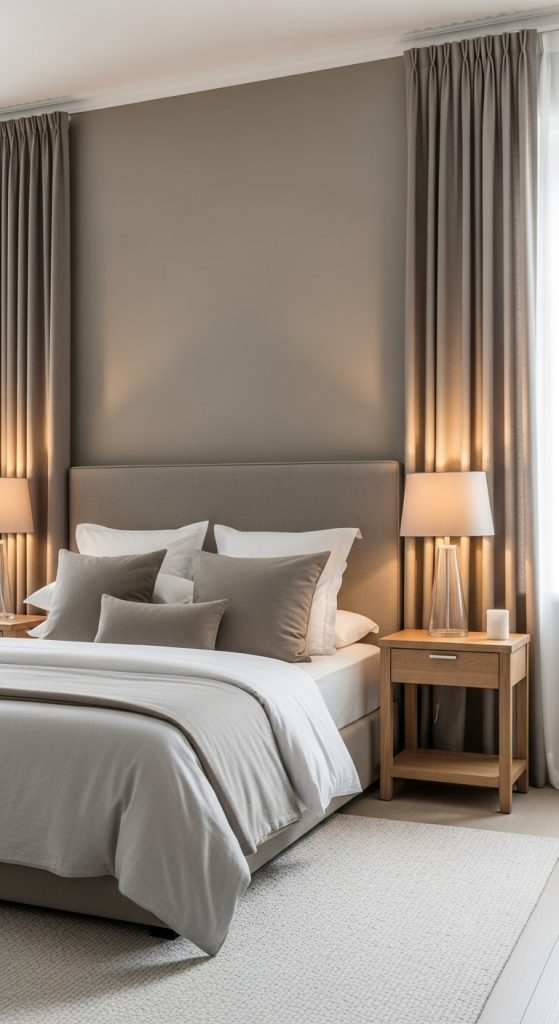
Taupe is a mix of brown and gray that brings subtle depth to a bedroom without overpowering the space. It strikes a perfect balance between warm and cool tones, making it ideal for calm bedroom designs. Taupe can be used on walls, furniture, or accents to create a cozy yet refined atmosphere. When preparing for this color, choose a taupe shade that complements your room’s natural lighting. Lighter taupe tones are ideal for smaller rooms, while deeper taupe shades suit larger bedrooms.
To design with taupe, consider pairing taupe bedding or curtains with lighter walls to maintain an airy feel. Taupe upholstered headboards and throw pillows add elegance without disrupting the neutral palette. Combine these elements with natural materials like wood, wool, or rattan to enhance softness. A taupe area rug can also anchor the room and provide visual comfort.
Metal accents such as brushed nickel or soft gold pair well with taupe, offering a subtle contrast that complements the overall calming effect. Use warm lighting to prevent taupe from appearing too gray or muted. This color supports a balanced atmosphere and enriches the room with soothing undertones. Taupe is ideal for individuals who want a grounded, sophisticated, and peaceful bedroom environment.
4 Off White Bedding for Clean Simplicity
Off white bedding is one of the easiest and most effective ways to introduce calmness into a bedroom with neutral tones. Unlike bright white, which can feel too clinical, off white offers a soft and inviting warmth. When selecting off white bedding, choose high quality fabrics such as cotton, linen, or bamboo for maximum comfort and breathability. These materials naturally enhance the sense of relaxation.
To prepare for this idea, gather swatches of off white shades and compare them with your wall and furniture colors. Off white comes in many variations, ranging from warm cream to cool ivory, so choosing the right undertone ensures harmony. Layering is essential for depth. Start with off white sheets, add a duvet cover in the same family, and finish with textured blankets or knitted throws.
Off white bedding pairs beautifully with wooden furniture, soft beige walls, or gray decor elements. It acts as a visual anchor, creating balance across the room. Minimal patterns or tone on tone stripes can add subtle interest without disrupting simplicity. When combined with warm accent lighting, off white bedding helps establish a peaceful, restored feeling that promotes better sleep. This idea is perfect for anyone seeking a clean, gentle, and timeless look.

5 Natural Wood Furniture for Organic Warmth
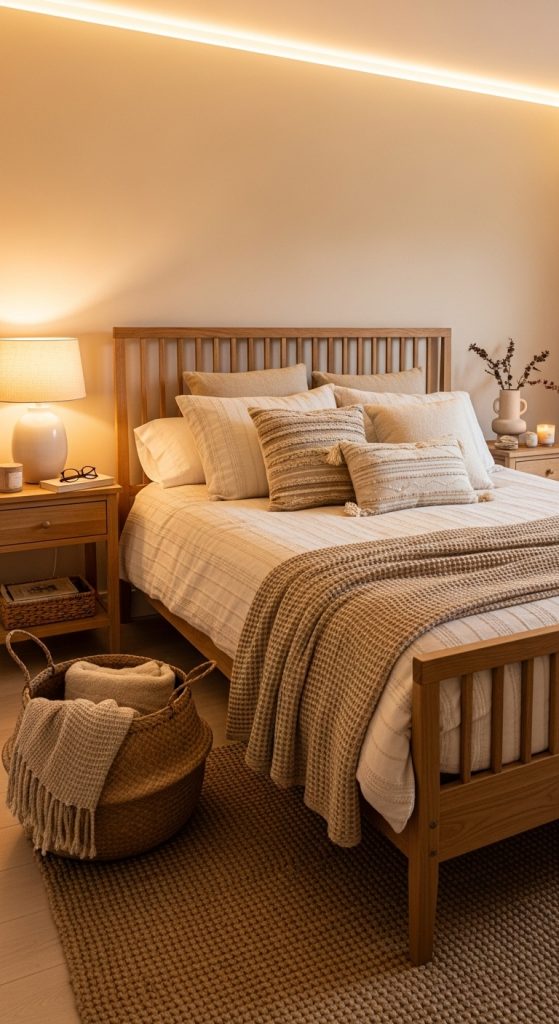
Natural wood furniture is essential for creating a calm bedroom built around neutral tones. Wood adds organic warmth, grounding the room with its natural textures and tones. Light woods like oak, pine, birch, and ash pair especially well with beige, gray, cream, and taupe walls. The grain and color variations of wood introduce depth without relying on bold colors or patterns.
Before incorporating wooden furniture, evaluate the existing finishes in your room to ensure harmony. Avoid mixing too many wood tones at once. Instead, choose one consistent wood color for the bed frame, side tables, or dresser. If your room already has wood flooring, aim to match or slightly complement its tone.
Wood pairs beautifully with natural fabrics like linen and cotton, creating a warm and cohesive atmosphere. A wooden headboard can serve as the room’s focal point, while wooden nightstands add balance and practicality. Maintain simplicity with clean lines and avoid overly ornate designs to sustain the calm aesthetic.
Use warm lighting to emphasize the natural grain of the wood. Finishing touches like woven baskets, ceramic lamps, and soft rugs enhance the peaceful environment. Natural wood furniture brings longevity, comfort, and a timeless character to any neutral toned bedroom.
6 Linen Curtains for Airy Softness
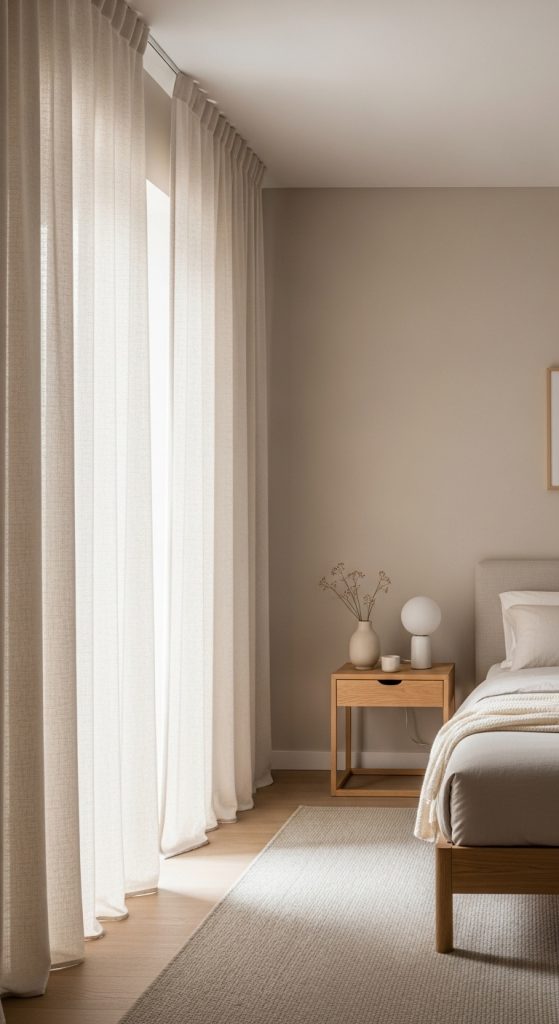
Linen curtains are an excellent addition to bedrooms designed with calming neutral tones. Linen is a natural material known for its breathable texture, gentle softness, and organic look. It diffuses light softly, creating a serene atmosphere throughout the day. When selecting linen curtains, choose shades such as off white, soft beige, warm gray, or cream to maintain harmony with the bedroom’s neutral palette.
Before purchasing curtains, measure your window dimensions accurately and choose curtains that fall gracefully to the floor for an elegant result. Avoid heavy patterns or bold prints to maintain a calm and uncluttered appearance. Linen naturally wrinkles, which enhances its charm rather than taking away from it.
Linen curtains pair beautifully with wooden rods, woven blinds, or neutral walls. They soften the room visually and promote a restful environment, especially when paired with warm lighting. Opt for both sheer and blackout layers if you want flexibility between privacy and softness during the day.
Their texture adds a subtle richness without making the room feel busy. Linen curtains contribute to a calm, airy, and natural aesthetic that supports relaxation and everyday comfort.
7 Cream Rugs for Gentle Grounding
A cream rug is a wonderful way to anchor a neutral toned bedroom and enhance its sense of calm. Cream functions as a soft, warm neutral that brightens the room while maintaining serenity. When selecting a cream rug, choose materials like wool, cotton, or woven jute to complement natural textures in the room. These fabrics provide comfort, warmth, and durability.
Before choosing a rug size, measure your space carefully. Ideally, a bedroom rug should extend at least two feet on either side of the bed to create balance. Cream rugs work particularly well with wooden floors or gray flooring. Their lightness adds contrast while keeping the overall palette cohesive.
Textured rugs such as tufted, braided, or shag styles introduce depth without overwhelming the design. Pairing a cream rug with beige or gray bedding creates harmony and softness. Cream also works beautifully under natural light, giving the room a fresh and inviting feel.
Keep the rug clean by using regular vacuuming and spot cleaning to maintain its brightness. When combined with soft textiles, warm lighting, and neutral furniture, a cream rug helps create a grounded, peaceful bedroom environment that feels cozy and welcoming.
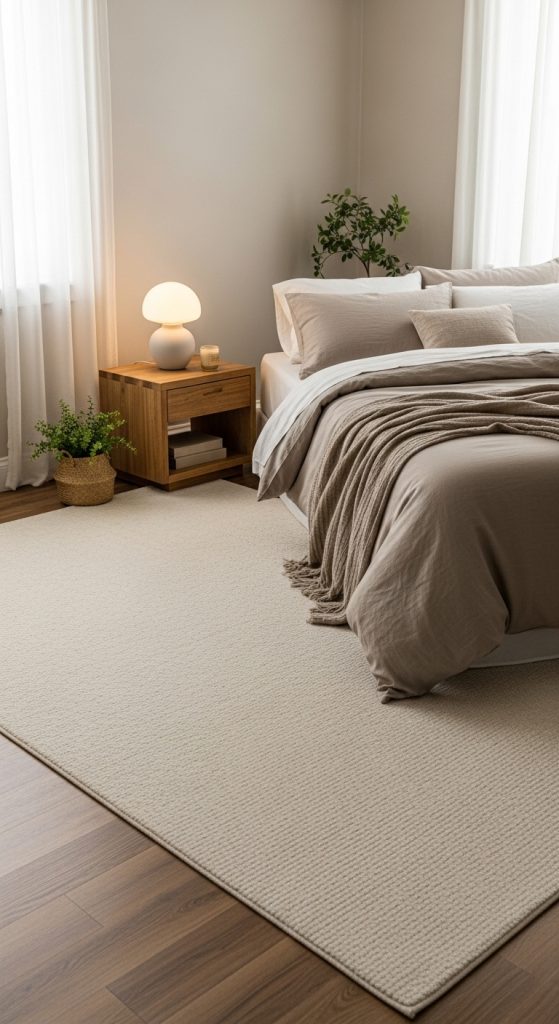
8 Minimal Decor for a Calm Aesthetic
Minimal decor is a key element of calm bedroom design, especially when using neutral tones. By reducing clutter and focusing on essential items, the space becomes visually quiet and emotionally soothing. Before starting, assess your current bedroom and identify items that do not contribute to comfort or function. Remove unnecessary objects to create a cleaner and more balanced look.
In a minimal bedroom, choose decor pieces that complement the neutral palette, such as ceramic vases, soft textured cushions, woven baskets, or a single framed artwork. Avoid bright colors or busy patterns that interrupt the sense of tranquility. Keep surfaces like nightstands and dressers free of excessive items to maintain simplicity.
Neutral textiles such as linen bedding, cotton throws, and wool rugs enhance the minimal design. Select furniture with clean lines and natural materials to support the calm aesthetic. Lighting also plays an essential role. Use soft, warm light sources like bedside lamps or wall sconces instead of bright overhead lights.
Minimal decor does not mean empty. It means choosing meaningful, high quality items that contribute to comfort and harmony. This approach results in a peaceful environment that promotes rest, clear thinking, and relaxation.
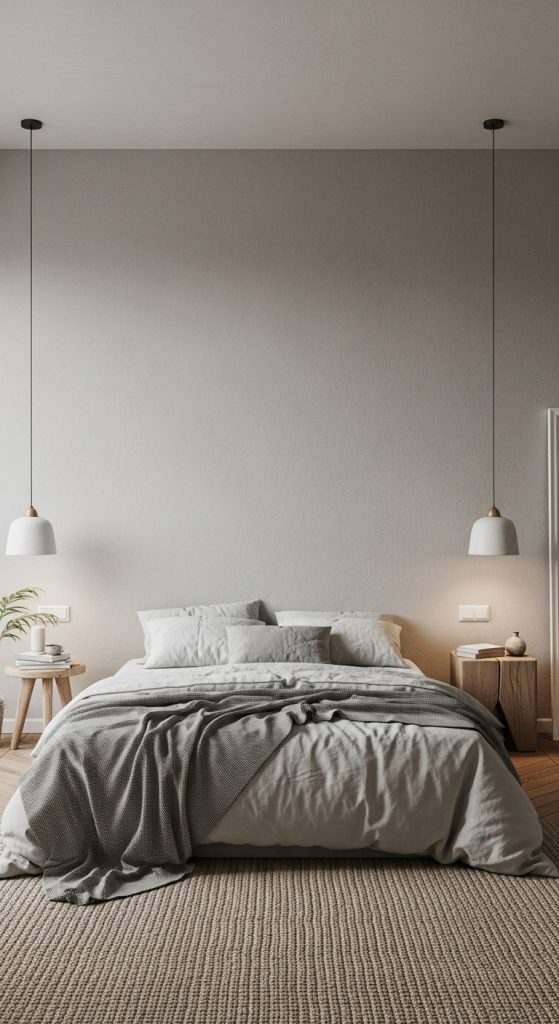
9 Warm Lighting for Soothing Ambience
Warm lighting is essential in creating a calm neutral toned bedroom. The right lighting can transform the overall mood, making the space soothing and restful. Begin by replacing cool white bulbs with warm white options to avoid harshness. Warm bulbs create a gentle glow that enhances beige, taupe, gray, and off white tones.
Layered lighting works best in a calm bedroom. Combine bedside lamps, wall sconces, and soft ceiling lights to create a balanced ambience. Choose lampshades made from natural materials like linen or cotton to diffuse light softly. Avoid bright or direct lighting, as it disrupts relaxation and creates visual tension.
Consider adding dimmers to adjust lighting based on the time of day. Warm lighting paired with natural textures like wood, wool, and linen creates a comforting atmosphere perfect for unwinding. Candle style lighting can also enhance calmness, though flameless versions are safer for everyday use.
Lighting placement matters too. Keep lighting around eye level to create a cozy environment. Warm lighting works harmoniously with neutral tones and supports a serene bedroom experience that promotes better sleep and emotional calmness.
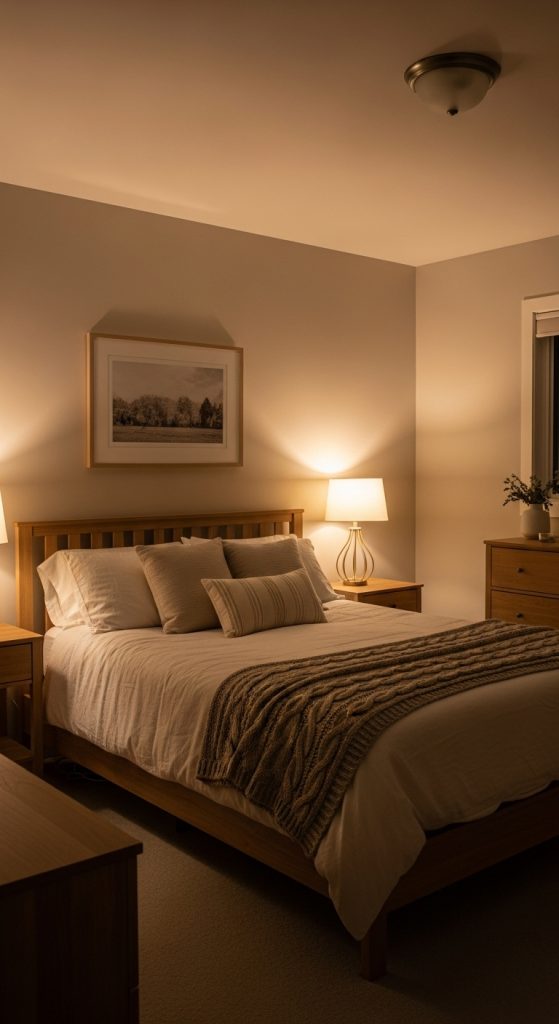
10 Subtle Texture Layering for Balanced Harmony
Texture layering is a vital element of calm bedroom design, especially when working with neutral tones. Since neutrals rely less on color contrast, texture is what brings the room to life. Begin by choosing a mix of soft materials such as linen bedding, cotton sheets, woven throws, and wool blankets. Each fabric adds a unique character without disrupting the peaceful aesthetic.
Add layers gradually to avoid overwhelming the space. Start with a simple bedding set, add a textured rug, introduce woven baskets, and finish with decorative pillows in subtle patterns. Textured headboards, wooden bedside tables, and fabric lampshades all enhance depth and comfort.
Neutral tones such as beige, cream, gray, and taupe look more dynamic when supported by varied textures. Maintain consistency by choosing materials that complement each other visually. Avoid overly shiny or metallic surfaces that disrupt the calm atmosphere.
Texture layering ensures your bedroom feels warm, inviting, and well balanced. It supports the overall harmony of the neutral palette and makes the space more comfortable and visually appealing without relying on bold decor choices.