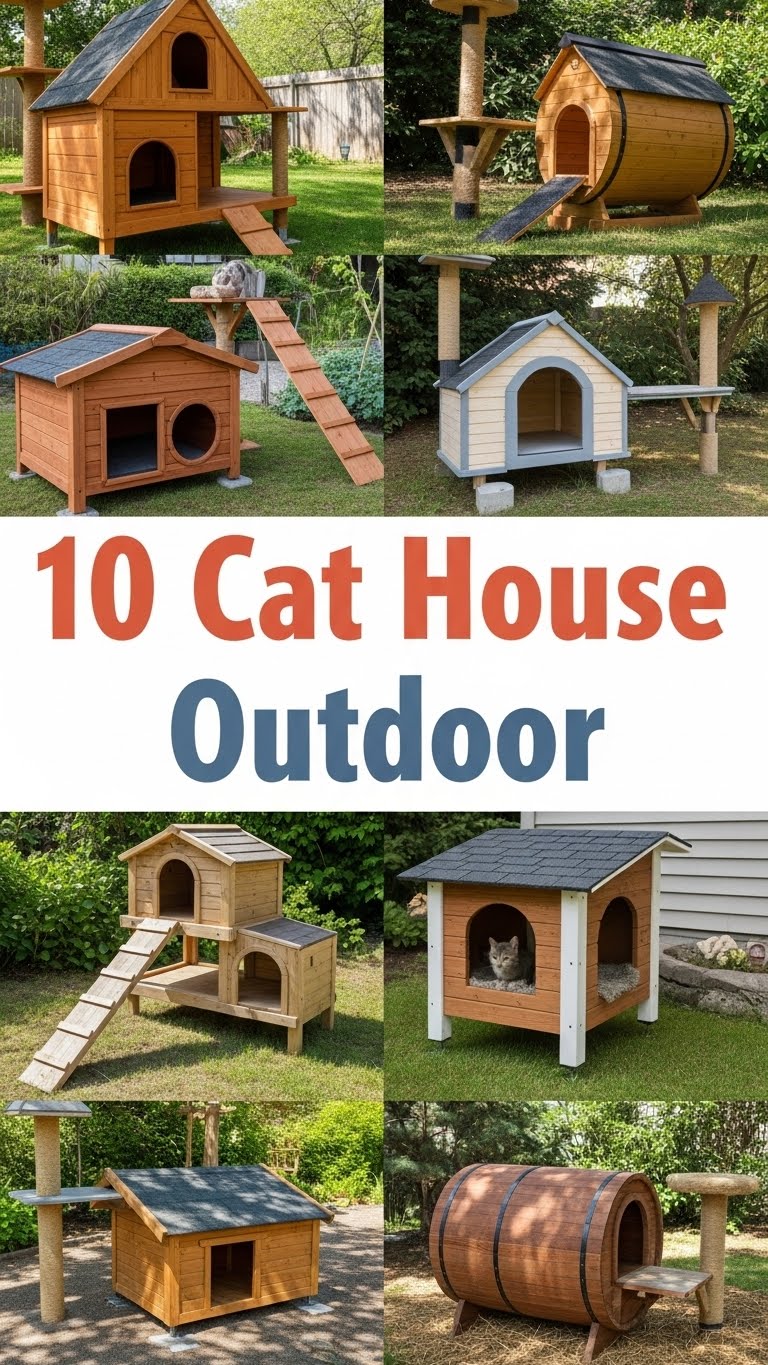
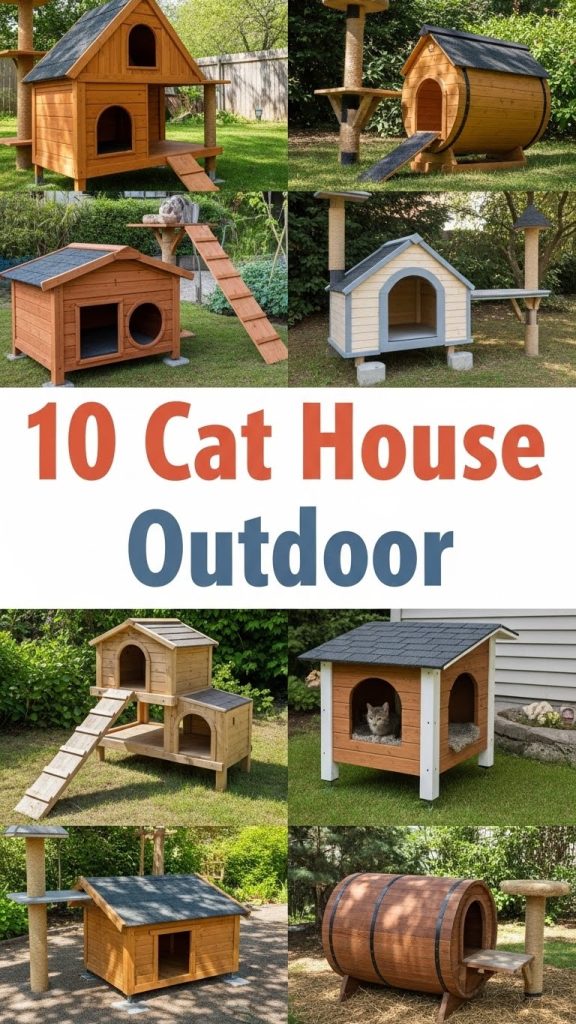
Cats love exploring the outdoors, but they also need shelter to stay safe, warm, and comfortable. Building an outdoor cat house ensures that your feline friend has a protected space while enjoying the fresh air. Here, we explore ten creative and practical outdoor cat house ideas, complete with preparation tips, material suggestions, and construction guidelines.
1. Wooden Cat Cabin
A wooden cat cabin is a classic and sturdy choice for outdoor cats. To prepare, you will need untreated wood, a saw, nails, waterproof paint, and insulation materials. Start by measuring the interior space to allow your cat to move freely. Cut the wood panels for the walls, floor, and roof, and assemble them using nails and wood glue. Make the entrance large enough for your cat but small enough to retain heat. Insulate the walls and floor with foam or straw for colder months. Finally, paint the exterior with waterproof paint to protect against rain and moisture. A small overhanging roof will keep the entrance dry. Wooden cabins are durable, easy to customize, and can be decorated to match your garden. Make sure the floor is elevated slightly above the ground to prevent water damage. This design is ideal for multiple cats and provides a secure, comfortable environment.
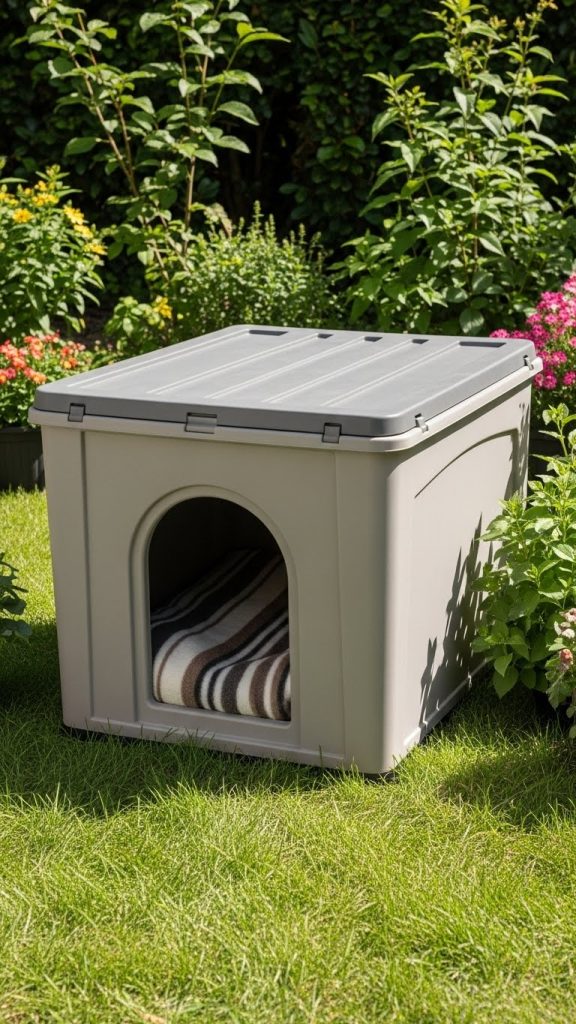
2. Plastic Storage Bin Cat House
Repurposing a large plastic storage bin can be an affordable and weatherproof option. You will need a durable plastic bin with a lid, a box cutter, straw or fleece for bedding, and duct tape for reinforcement. Begin by cutting a doorway on one side of the bin, ensuring smooth edges to prevent injury. Line the interior with straw for warmth or fleece blankets for comfort. Place the lid securely on top to protect against rain. For added insulation, you can place the bin inside a wooden frame or wrap it in insulating material. Plastic cat houses are lightweight, easy to clean, and resistant to moisture. They are perfect for temporary or seasonal outdoor use. Ensure the entrance faces away from prevailing winds. You can also add a flap made of thick fabric to keep cold air out during winter. This simple design is particularly useful for shelters or feral cat colonies.
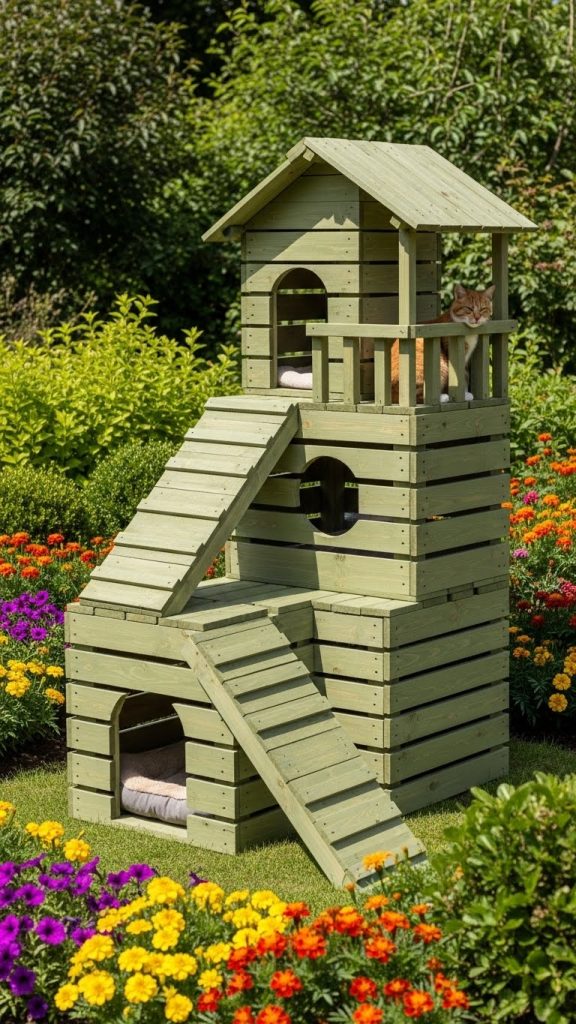
3. Upcycled Pallet Cat House
Using old pallets is an eco-friendly and cost-effective way to create a cat house. You will need wooden pallets, sandpaper, nails, a hammer, waterproof sealant, and insulation materials. Start by disassembling the pallets and sanding the surfaces to remove rough edges. Construct the walls, floor, and roof using the pallet wood, securing them with nails and a hammer. Seal the exterior with waterproof paint or sealant to protect against rain. Insulate the interior with straw, blankets, or foam panels. A pallet cat house can be built in multiple levels for climbing and resting, providing entertainment as well as shelter. This design blends well into garden settings and is highly customizable. Ensure stability by anchoring the house to the ground if needed. The open structure of pallets also allows for ventilation while still protecting cats from the elements. This approach is sustainable and perfect for DIY enthusiasts who enjoy rustic designs.
4. Straw Bale Cat House
A straw bale cat house is excellent for insulation and is budget-friendly. You will need several straw bales, a small wooden platform, a box cutter, and some waterproof covering such as a tarp. Stack the bales to form walls, leaving a gap for the entrance. Place the house on a wooden platform to keep it off the ground and avoid dampness. Cover the exterior with a tarp to protect against rain, securing it with ropes or clips. Inside, add extra straw or soft blankets for warmth and comfort. Straw bale houses are lightweight and easy to assemble or move. They naturally provide insulation, keeping the interior warm in winter and cool in summer. Make sure the structure is stable and that the entrance is slightly raised to prevent water entry. These houses can be built quickly and are especially suitable for outdoor gardens or farm environments. They are temporary solutions that can be replaced each season.

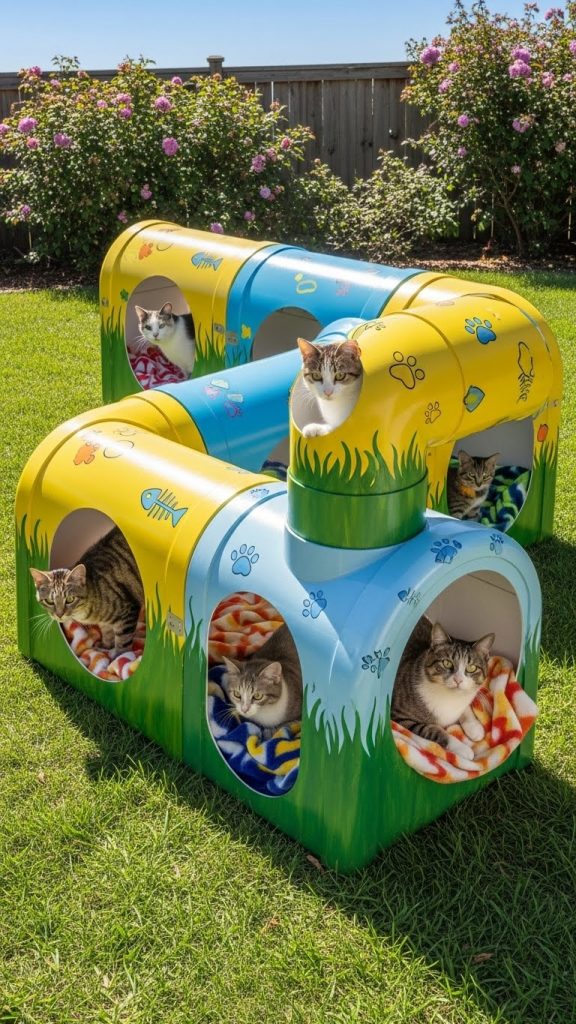
5. PVC Pipe Cat Tunnel House
For cats who love tunnels, a PVC pipe house can be both fun and practical. Required materials include large diameter PVC pipes, duct tape, outdoor-safe paint, insulation materials, and foam or blankets. Cut the pipes into desired lengths and connect them in a tunnel or L-shape using elbow joints. Seal all open ends to prevent drafts and insulate with foam sheets or blankets inside the pipes. Position the entrance on the ground or slightly elevated to keep it dry. Paint the exterior with outdoor-safe paint to prevent weather damage. This design encourages exploration while providing shelter. The tunnel shape can also connect multiple sections for an interactive environment. Ensure the pipes are wide enough for the cat to turn comfortably. PVC houses are waterproof, easy to clean, and lightweight. They are suitable for backyards or patios and can be moved easily. This innovative design combines play and comfort in one compact structure.
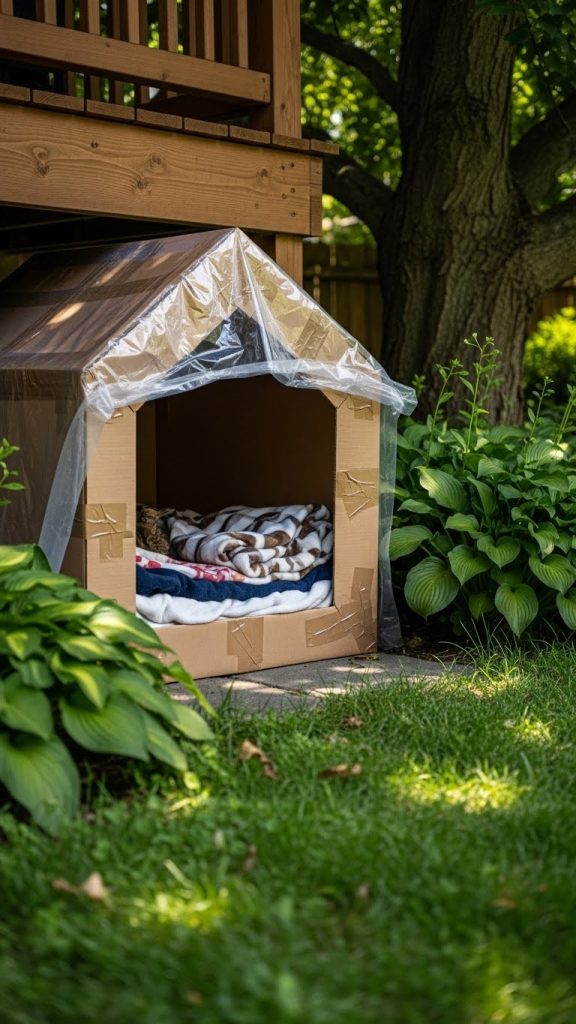
6. Reclaimed Cardboard Cat House with Weatherproofing
A cardboard cat house can be surprisingly durable if properly weatherproofed. You will need thick cardboard boxes, waterproof spray, duct tape, insulation material, and soft bedding. Assemble the boxes to create a small house with a roof and entrance. Spray the exterior with waterproof spray or cover it with a plastic sheet to prevent moisture absorption. Add straw, foam, or blankets inside for insulation. This design is lightweight, inexpensive, and easy to replace if damaged. Ensure the house is placed under a sheltered area, such as a porch or under a tree, to avoid direct rain exposure. Cardboard houses are ideal for short-term use or for feral cat colonies that need temporary shelters. The design is easy to modify and decorate. Despite being simple, with proper placement and weatherproofing, cardboard houses can remain functional for several months. They provide a cozy space while being environmentally friendly when using recycled materials.
7. Elevated Garden Cat House
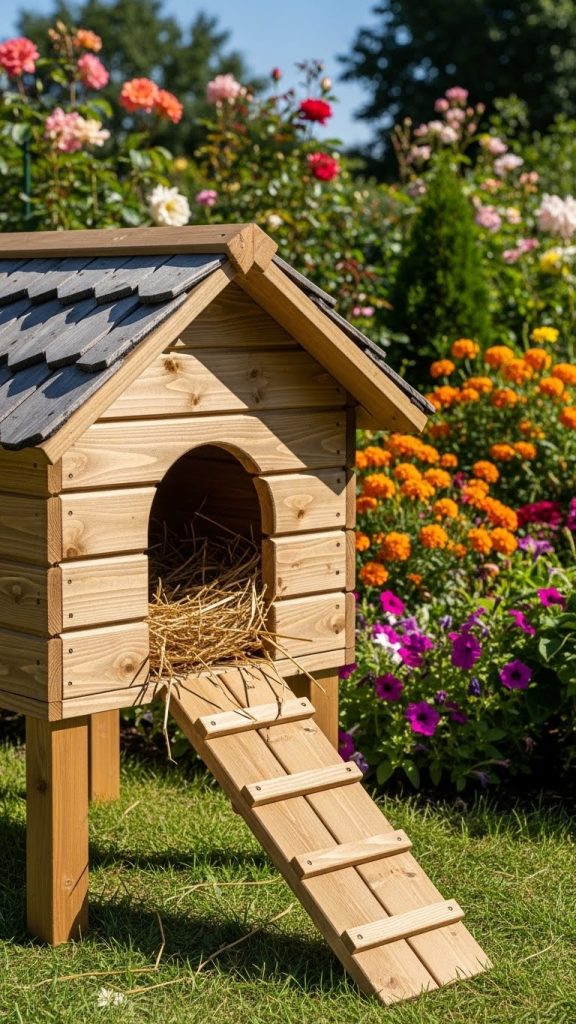
Elevating a cat house off the ground helps protect cats from dampness, insects, and predators. Materials needed include untreated wood, nails, screws, insulation, and waterproof paint. Construct a small wooden house and attach it to sturdy legs or a wooden platform at least six inches above ground level. Insulate the interior with straw or foam. Include a small ramp or steps for easy access. A roof with a slight slope prevents water accumulation, and overhanging edges protect the entrance. Elevated houses are ideal for gardens, patios, or yards where ground conditions may be wet. They provide safety and comfort while keeping cats dry and warm. Ensure the structure is stable and can support the cat’s weight. You can add decorative elements or camouflage the house with plants. Elevated designs are particularly beneficial for outdoor cats in areas with heavy rainfall or predators like raccoons.
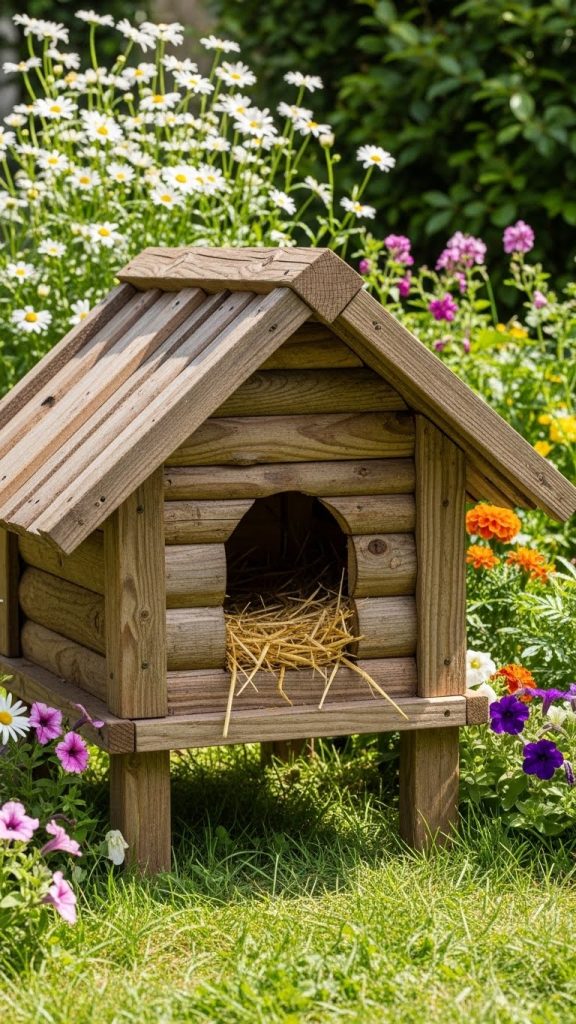
8. Log Cabin Style Cat House
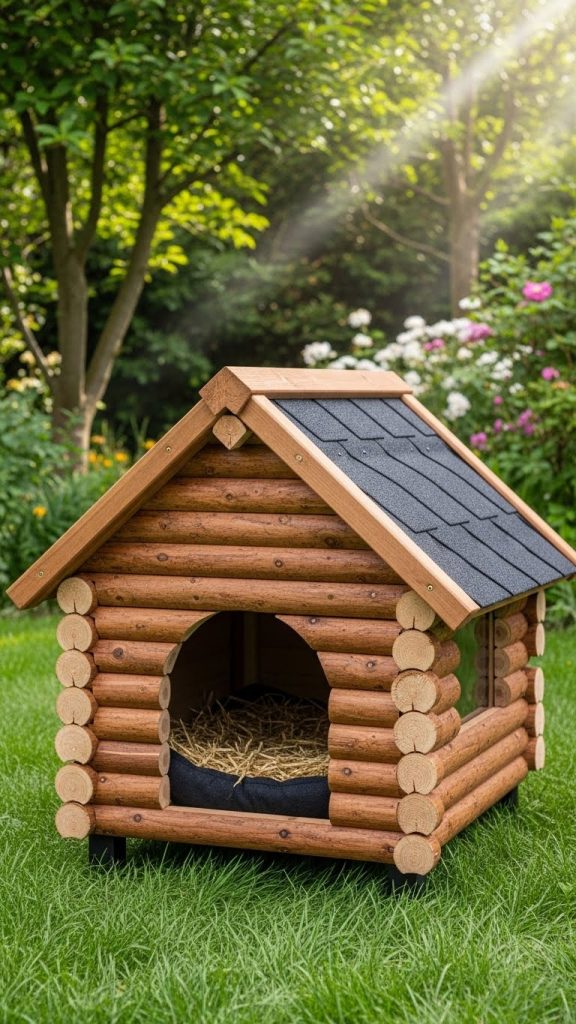
A log cabin-style house combines aesthetics and durability. Required materials include small logs or timber, nails, a hammer, insulation materials, and weatherproof sealant. Construct the walls by stacking and securing the logs horizontally, leaving a space for the doorway. Create a sloped roof to allow rain runoff, and seal the exterior with weatherproof sealant. Insulate the interior with foam sheets or straw for warmth. Log cabin houses are sturdy and visually appealing, blending well with natural surroundings. They are excellent for multiple cats or for use in large outdoor spaces. Ensure proper ventilation and stability by securing the structure to the ground. You can add multiple entrances for easy access and escape. Log cabin designs are long-lasting and resistant to extreme weather. They provide both comfort and charm, making them an attractive addition to any backyard or garden space.
9. Igloo-Shaped Cat House
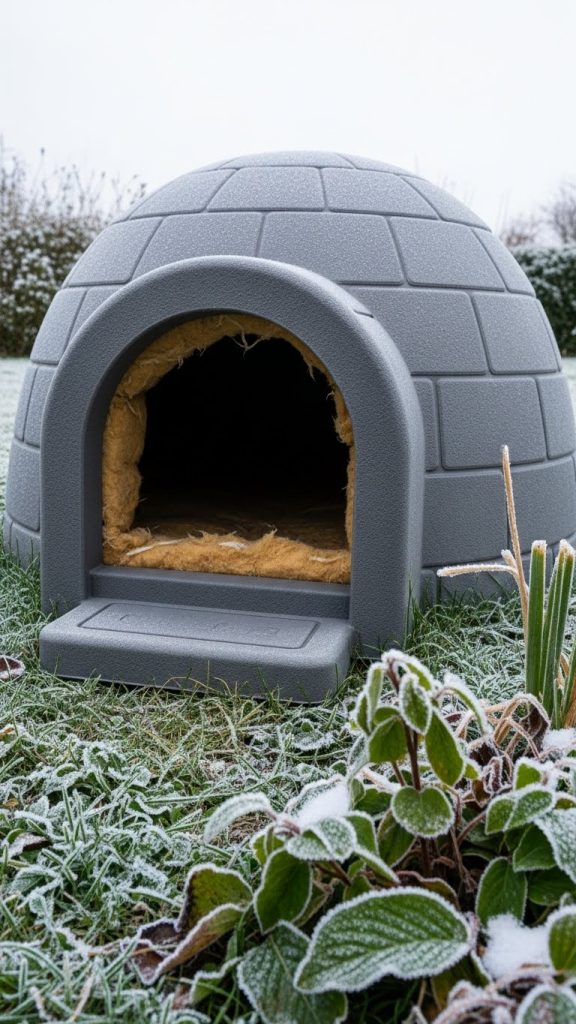
An igloo-shaped cat house provides excellent insulation and protection against wind. You will need high-density polyethylene (HDPE) or similar durable plastic, foam insulation, duct tape, and soft bedding. Cut and assemble the plastic panels into a dome shape. Seal the joints to prevent drafts and line the interior with foam or straw for warmth. Position the entrance on the side and slightly elevated to prevent water entry. Igloo houses retain heat efficiently and are easy to clean. They are resistant to rain and wind, making them ideal for cold climates. You can place them in sheltered areas or open yards. The rounded design also prevents snow accumulation and provides a unique aesthetic. Ensure the entrance is large enough for your cat but not too large to lose heat. This type of house is lightweight and portable, offering a cozy and secure retreat for outdoor cats.
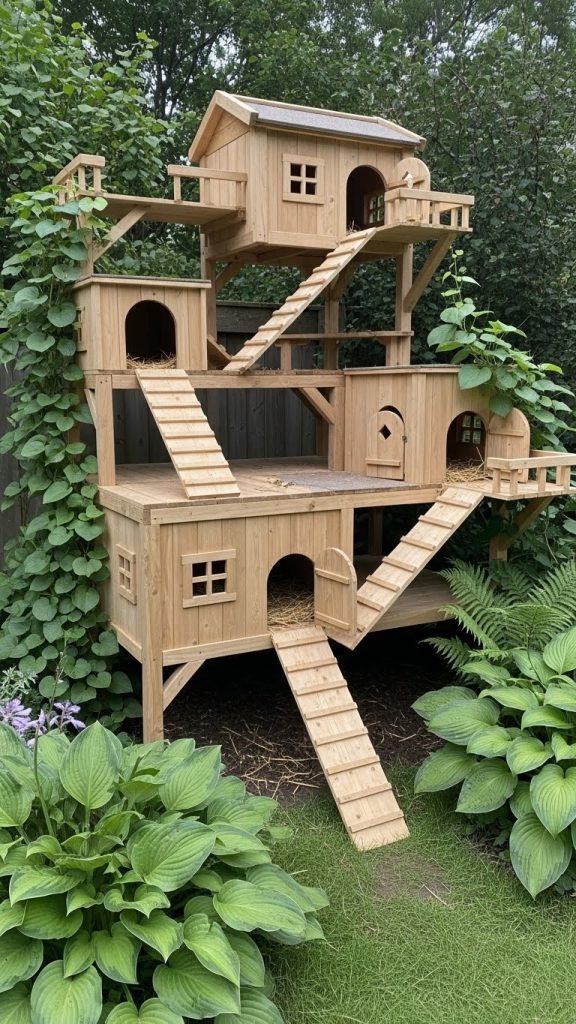
10. Outdoor Cat Mansion
For a luxurious option, an outdoor cat mansion combines multiple levels, ramps, and enclosed spaces. Materials include plywood, untreated wood, nails, screws, insulation, waterproof paint, and soft bedding. Build a multi-level structure with separate rooms and ramps connecting each level. Insulate all enclosed areas with foam or straw, and paint the exterior with waterproof paint to prevent weather damage. Include multiple entrances and lookout spots for safety and stimulation. Elevated platforms provide warmth and protect against ground moisture. Outdoor cat mansions are ideal for multiple cats and allow climbing and exploration. They offer a safe, comfortable, and interactive environment. Ensure the structure is anchored to the ground for stability. This design can become the centerpiece of your garden or backyard, combining functionality with aesthetic appeal. Regular maintenance will keep it safe and long-lasting, providing a perfect outdoor retreat for your feline companions.