

Hair twists are a versatile and stylish option for natural and textured hair. They are perfect for protective styling, keeping your hair healthy while offering a chic look for everyday wear or special occasions. Twists come in various sizes and styles, allowing you to experiment with your hair without causing damage from heat or chemicals. They also help in retaining moisture and can last for days or even weeks with proper care.
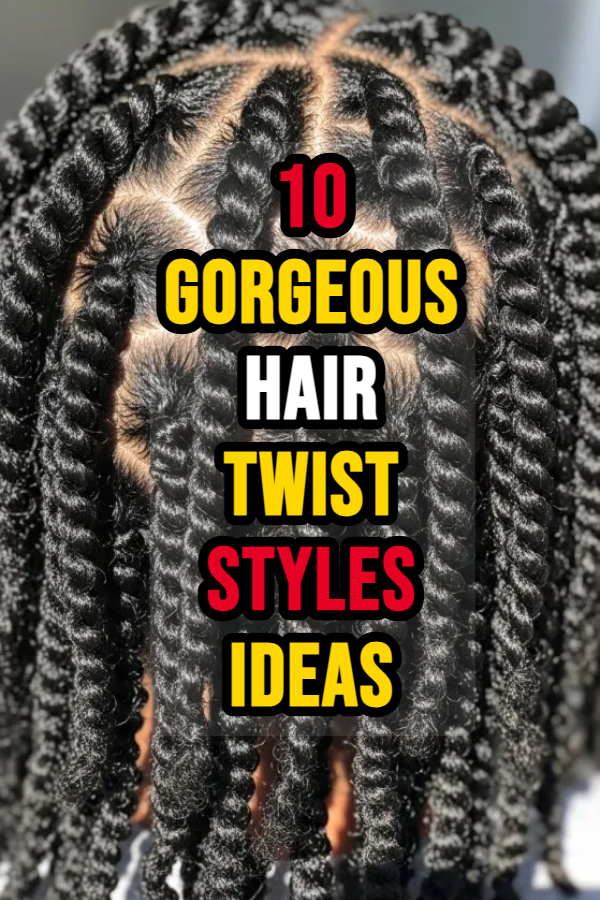

Preparing for twists requires basic hair care and the right tools. Clean, conditioned hair ensures your twists look neat and last longer. Sectioning your hair and using a moisturizing cream or twisting gel can help define the twists and reduce frizz. Whether you prefer simple two-strand twists or intricate flat twists, each style has its unique appeal and method of styling. This guide explores ten twist styles, offering practical tips, preparation steps, and styling ideas so you can confidently try them at home or with a stylist.
1. Two-Strand Twists
Two-strand twists are a classic and easy twist style suitable for all hair types. They involve dividing the hair into sections and twisting two strands around each other from the root to the tip. This style is perfect for beginners and can be worn casually or dressed up with accessories.
Preparation is key for neat two-strand twists. Wash and deep-condition your hair to make it smooth and manageable. Apply a leave-in conditioner or twisting cream to keep the hair hydrated. Section your hair carefully using a comb, and clip away the sections you are not currently twisting. For best results, twist smaller sections for a more defined look or larger sections for a relaxed style. Two-strand twists can last up to two weeks with proper care, making them a practical low-maintenance option.
2. Flat Twists
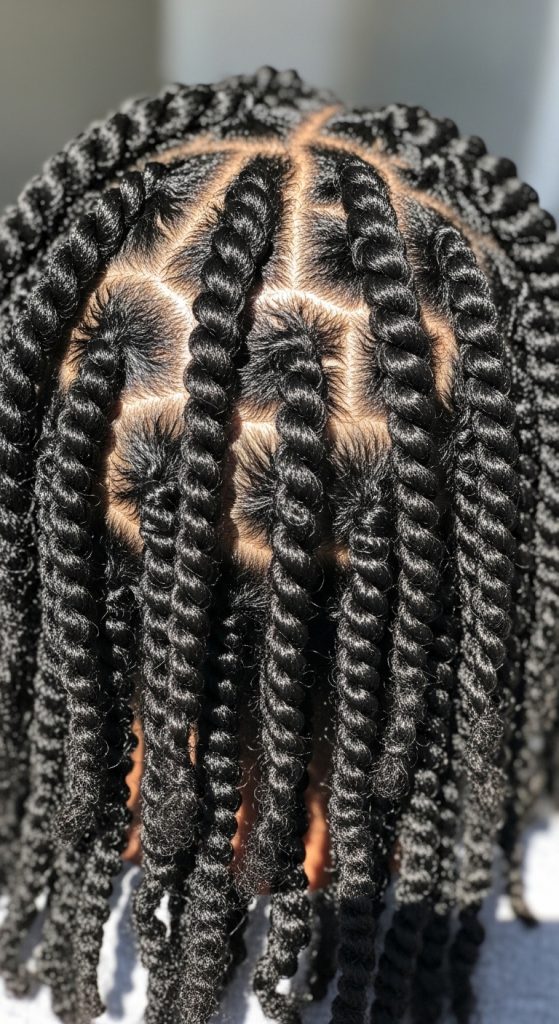
Flat twists are similar to cornrows but involve twisting two strands flat against the scalp. They are perfect for creating intricate patterns and can serve as a base for other styles, like buns or updos.
Before starting flat twists, ensure your hair is detangled and moisturized. Use a styling gel to hold the twists and reduce frizz. Section your hair carefully, starting at the front or side of your head. The twists should be tight enough to stay in place but not so tight that they cause discomfort. Flat twists can be worn alone or styled into a bun or ponytail. They are excellent for protective styling because they keep the hair secure while maintaining flexibility.

3. Senegalese Twists
Senegalese twists are long, rope-like twists achieved by adding synthetic hair for length and volume. They offer a polished look and can last several weeks when installed professionally.
To prepare for Senegalese twists, start with clean, stretched hair. Use a twisting gel to help smooth natural hair and ensure a firm grip on the synthetic hair. Section the hair evenly and braid the synthetic hair along with your natural hair, twisting tightly as you go. The twists can be styled in updos, ponytails, or left flowing naturally. They require maintenance, such as moisturizing the scalp and wrapping the hair at night to preserve the style. Senegalese twists provide versatility and elegance, making them ideal for both casual and formal occasions.

4. Marley Twists
Marley twists are textured twists that use Marley hair extensions, giving a more natural and voluminous look. They are softer and more flexible than other synthetic twists and are often used for protective styling.
Preparation involves washing, conditioning, and detangling your hair. Section the hair and prepare the Marley hair by unraveling it into manageable strands. Apply a moisturizing cream or twisting gel to your natural hair for smooth application. Twist the Marley hair around your natural hair using a two-strand twist technique. Marley twists can be styled in various ways, including high buns, ponytails, or half-up styles. They are perfect for those seeking a natural, fuller look while keeping their hair protected.

5. Havana Twists
Havana twists are large, chunky twists that use Havana hair extensions. They are lighter than other synthetic twists and offer a bold, stylish look.
To prepare, start with detangled and moisturized hair. Section the hair and apply a twisting cream for hold. Use Havana hair to extend each section, twisting it around your natural hair. The twists should be loose at the roots for a comfortable fit and tighter toward the ends for a polished look. Havana twists are ideal for low-maintenance protective styles and can be accessorized with beads or cuffs. They create a dramatic and fashionable appearance that works for all occasions.

6. Passion Twists
Passion twists are soft, springy twists that give a bohemian, curly effect. They are popular for their playful and textured look and are lightweight compared to other twists.
Preparation requires clean, stretched hair. Use a twisting cream or gel for a smooth finish. Section your hair and add pre-curled synthetic hair for the twist. Wrap the hair around your natural hair and use a hook or your fingers to curl the ends. Passion twists can be styled in high buns, ponytails, or worn loose for a carefree vibe. They are low-maintenance, and nightly protection with a silk scarf helps maintain their shape.

7. Rope Twists
Rope twists are defined twists that involve twisting two strands in one direction, then twisting them around each other in the opposite direction. This creates a rope-like appearance that is neat and elegant.
Preparation involves washing and conditioning your hair, followed by applying a leave-in conditioner or twisting gel. Section the hair carefully, taking small pieces for tighter twists or larger pieces for chunkier rope twists. Twist the strands individually, then twist them together in the opposite direction. Rope twists can be worn loose, pinned up, or styled into an updo. They are protective and can last up to two weeks with proper care.
8. Flat Twist Updo
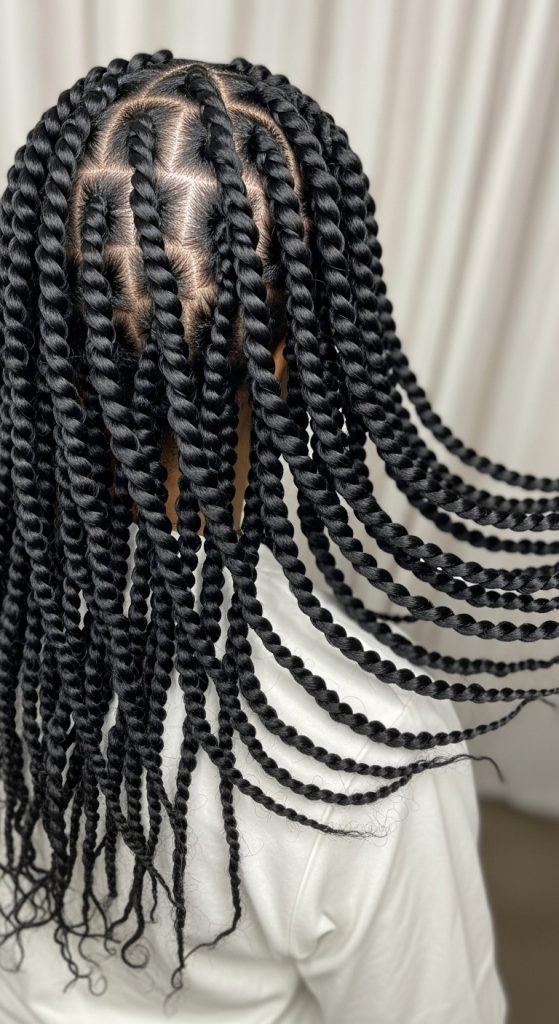
A flat twist updo combines flat twists with an elegant updo style. It is perfect for formal events or when you want a stylish, polished look.
To prepare, detangle and moisturize your hair. Apply a styling gel and begin creating flat twists from the front of the hairline, twisting toward the crown or back. Once all twists are done, gather them into a bun, chignon, or ponytail. Secure with hairpins or a hair tie. Flat twist updos are protective while offering sophistication and can be accessorized with decorative pins or combs for added flair.

9. Zigzag Twists
Zigzag twists are twists arranged in a zigzag pattern across the scalp, creating an eye-catching design. This style adds a creative and unique touch to your hair.
Preparation involves clean, moisturized hair. Use a comb to section the hair in zigzag lines, then apply twisting gel for smoothness. Twist each section using a two-strand or rope twist technique, following the zigzag parting. Zigzag twists can be left loose, styled into a bun, or paired with other twist styles for a layered look. They are perfect for those looking to add creativity and individuality to their hairstyle.

10. Twist Out
A twist out is a styling technique where twists are unraveled to create defined curls and waves. It offers volume and texture, transforming simple twists into a stylish look.
Preparation involves washing and conditioning your hair, followed by sectioning and twisting while damp. Apply a twisting cream or gel for hold. After allowing the twists to set overnight or for several hours, gently unravel them and separate curls with your fingers. Avoid combing to maintain curl definition. Twist outs are versatile and can be worn as a casual or formal hairstyle. They enhance natural texture while protecting hair from excessive manipulation.
