
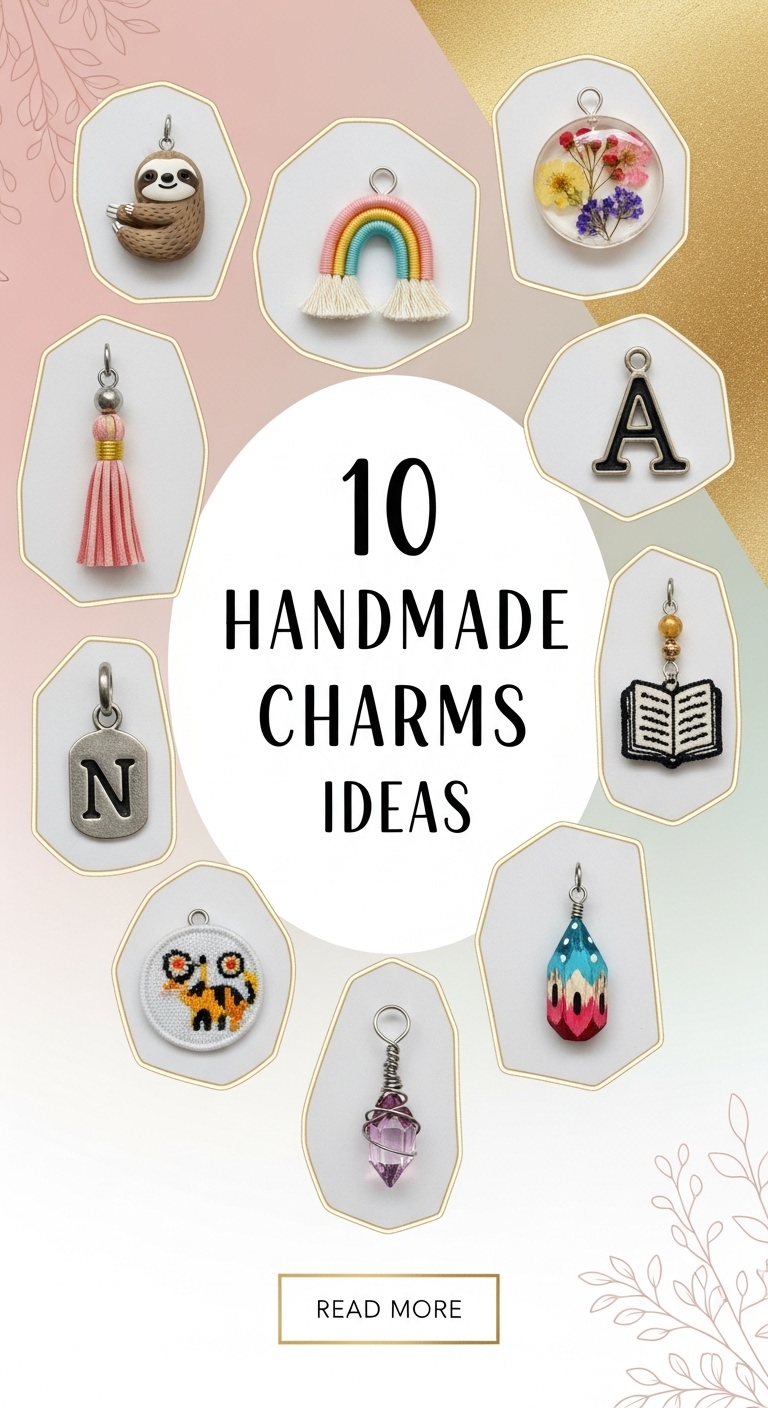
Handmade charms have become a popular way to add personal flair to jewelry, accessories, and gifts. Unlike mass-produced items, handmade charms carry a unique touch, reflecting creativity, craftsmanship, and thoughtfulness. They are perfect for bracelets, necklaces, keychains, and even home décor. Whether you are an experienced crafter or a beginner looking to explore a new hobby, creating charms allows you to experiment with colors, textures, and shapes. You can use materials such as polymer clay, beads, wire, resin, or fabric to design charms that represent personal memories, hobbies, or inspirations. In addition to being fun to make, handmade charms also make excellent gifts for friends and family. They offer the satisfaction of creating something tangible and meaningful with your own hands. In this blog, we will explore 10 creative handmade charm ideas, including the materials needed and step-by-step guidance to help you craft your own unique pieces.
1. Polymer Clay Animal Charms
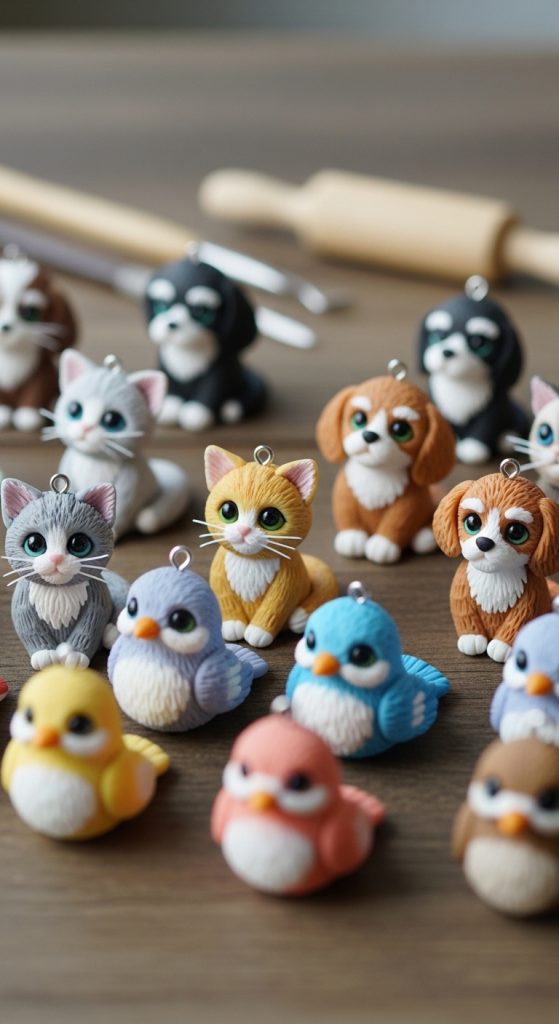
Polymer clay is one of the most versatile materials for handmade charms. You can mold it into small animal shapes such as cats, dogs, or birds. The clay is easy to manipulate, allowing you to create detailed textures, like fur or feathers, with simple tools. To make these charms, you will need polymer clay in various colors, a small rolling pin, sculpting tools, and a metal eye pin. After shaping the animals, bake the clay according to the package instructions to harden it. Once cooled, you can paint additional details with acrylic paints and seal them with a clear varnish. Animal charms make adorable pendants for necklaces or decorative keychains. They also allow you to personalize each piece to reflect favorite pets or symbolic animals.
Materials Needed: Polymer clay, sculpting tools, rolling pin, acrylic paint, varnish, metal eye pins.
Steps Overview: Shape → Insert eye pin → Bake → Paint → Seal → Attach to jewelry or keychain.
2. Resin Flower Charms
Resin charms are perfect for capturing delicate designs like flowers, leaves, or small pressed items. Using clear epoxy resin, you can create charms with a transparent, glass-like finish. Start by collecting small dried flowers or foliage. Prepare the resin by mixing the two components according to the manufacturer’s instructions. Pour a thin layer into a silicone mold, place the flowers carefully, and then pour more resin to cover them completely. Let the resin cure for the recommended time. Once hardened, sand the edges for smoothness and attach a jump ring to make it wearable. Resin flower charms are elegant and can be used for necklaces, bracelets, or even as decorative zipper pulls.
Materials Needed: Epoxy resin, silicone mold, dried flowers, sandpaper, jump rings.
Steps Overview: Prepare resin → Arrange flowers → Pour resin → Cure → Sand → Attach jewelry findings.

3. Beaded Geometric Charms
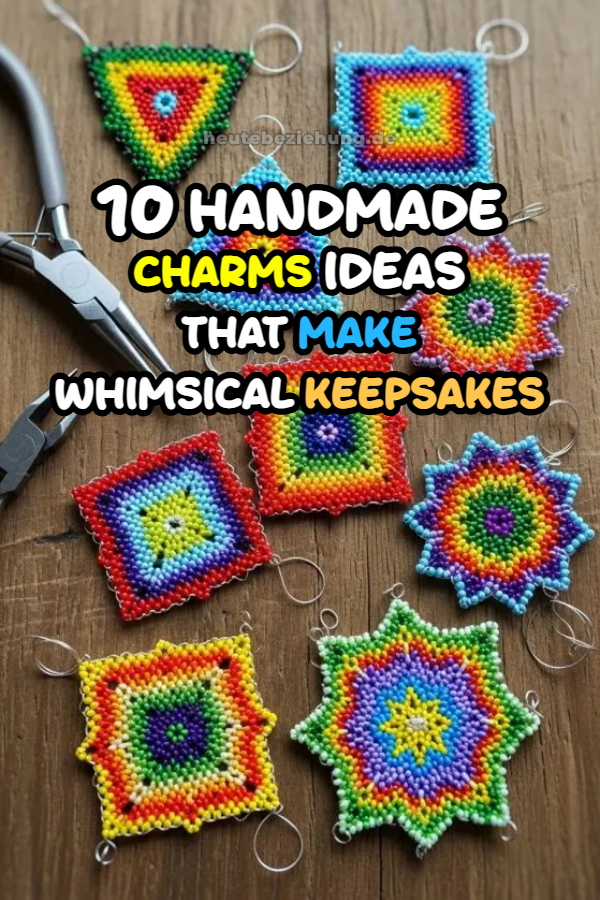
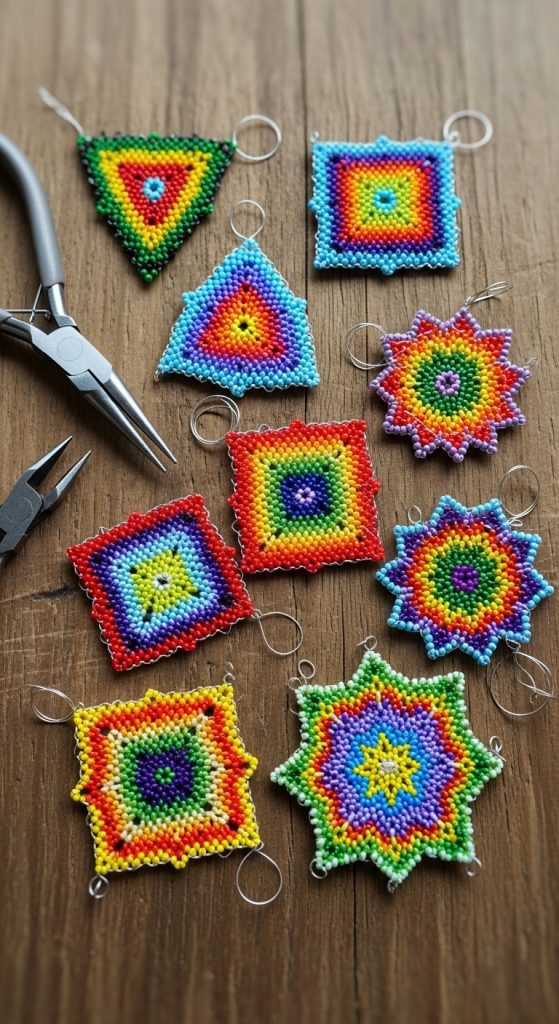
Beaded charms are ideal for those who enjoy working with beads and wire. Geometric shapes like triangles, squares, or circles look modern and stylish when made with colorful beads. Start by selecting seed beads, small gemstones, or crystal beads. Use thin jewelry wire to thread the beads in the desired pattern and shape. Twist the wire securely to maintain the geometric design, leaving a small loop at the top for attachment. These charms are lightweight and versatile, perfect for earrings, bracelets, or even bag charms. They allow endless experimentation with colors, patterns, and sizes.
Materials Needed: Seed beads, gemstone beads, jewelry wire, pliers, wire cutters.
Steps Overview: Design shape → Thread beads → Twist wire → Form loop → Attach to jewelry.
4. Fabric Tassel Charms
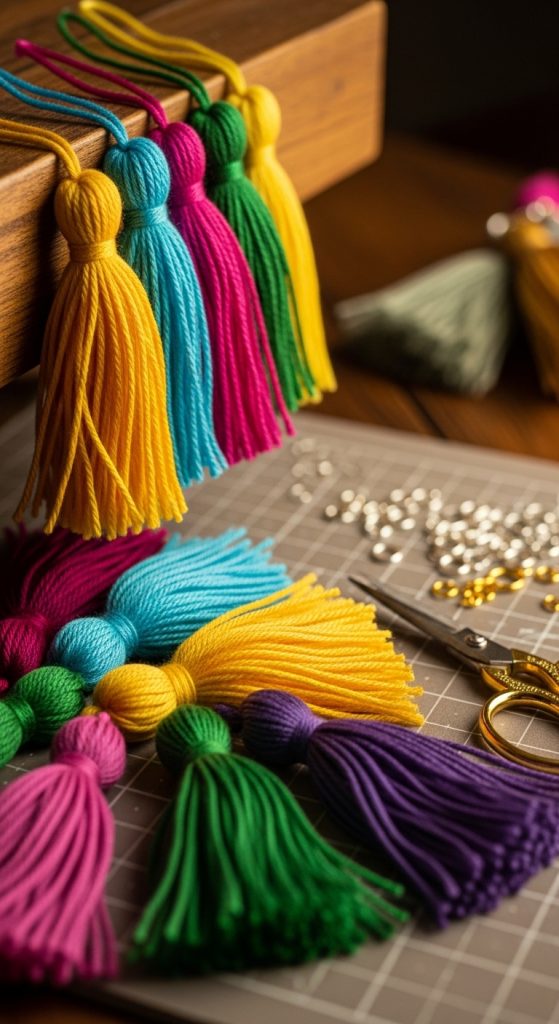
Tassel charms are a fun and tactile option for handmade accessories. They are simple to make and add movement and texture to keychains or earrings. You can use embroidery floss, thin yarn, or soft fabric strips. Cut multiple strands to the same length, fold them in half, and wrap a small piece of thread around the top to secure them. Add a jump ring or small chain at the top to connect the tassel to your chosen item. You can make tassels in single colors or combine multiple shades for a layered look. These charms are lightweight, inexpensive, and highly customizable.
Materials Needed: Embroidery floss or yarn, scissors, thread, jump rings.
Steps Overview: Cut strands → Fold → Wrap → Attach jump ring → Connect to accessory.
5. Miniature Food Charms
Miniature food charms are incredibly popular for their cute, realistic appearance. Using polymer clay, you can recreate tiny versions of cakes, ice cream, pizza, or fruits. Pay attention to details like texture and color to make the charm realistic. After shaping the food items, bake the clay as instructed. You can add a glossy finish with a resin glaze to give the food a realistic shine. These charms are perfect for bracelets, necklaces, or as decorative additions to phone cases. They also make unique gifts for food enthusiasts or collectors.
Materials Needed: Polymer clay, sculpting tools, acrylic paints, resin glaze, eye pins.
Steps Overview: Shape → Bake → Paint → Apply glaze → Attach to accessory.

6. Wire Wrapped Gemstone Charms
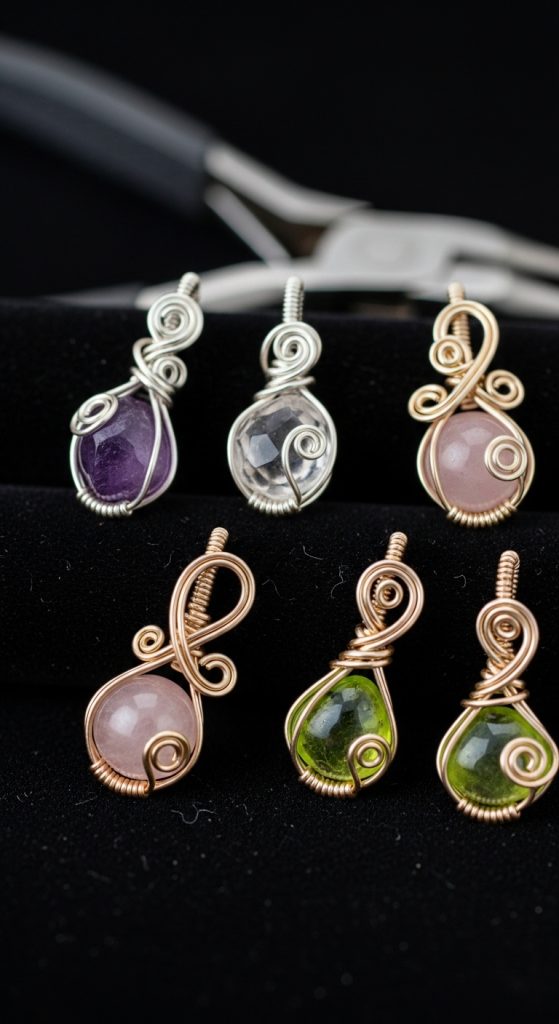
Wire wrapping is an elegant way to create gemstone charms without drilling holes. Choose a small gemstone or crystal and thin, pliable jewelry wire. Wrap the wire carefully around the stone to create a secure and decorative design, forming a loop at the top for hanging. This technique highlights the natural beauty of the gemstone and adds a handcrafted appeal. Wire-wrapped charms can be used in pendants, bracelets, or earrings. They are timeless and suitable for both beginners and advanced crafters with patience.
Materials Needed: Gemstones, jewelry wire, pliers, cutters.
Steps Overview: Select stone → Wrap with wire → Form loop → Attach to jewelry.
7. Charm Pendants with Stamped Metal
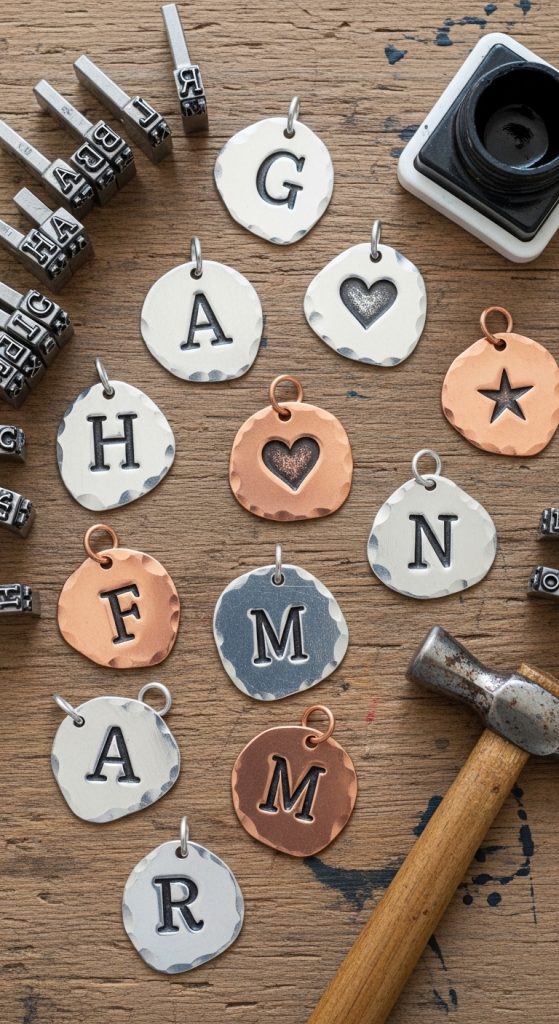
Metal stamping allows you to create personalized charms with initials, words, or small symbols. Use thin aluminum, copper, or brass blanks, along with metal stamps and a hammer. Place the stamp on the blank, strike with a hammer, and carefully check the impression. You can darken the letters with ink or paint for better visibility. Punch a small hole at the top for a jump ring to attach the charm. These charms are durable, customizable, and ideal for gift-giving or meaningful jewelry projects.
Materials Needed: Metal blanks, metal stamps, hammer, ink or paint, hole punch, jump rings.
Steps Overview: Choose blank → Stamp design → Darken letters → Punch hole → Attach jump ring.
8. Clay Initial or Letter Charms
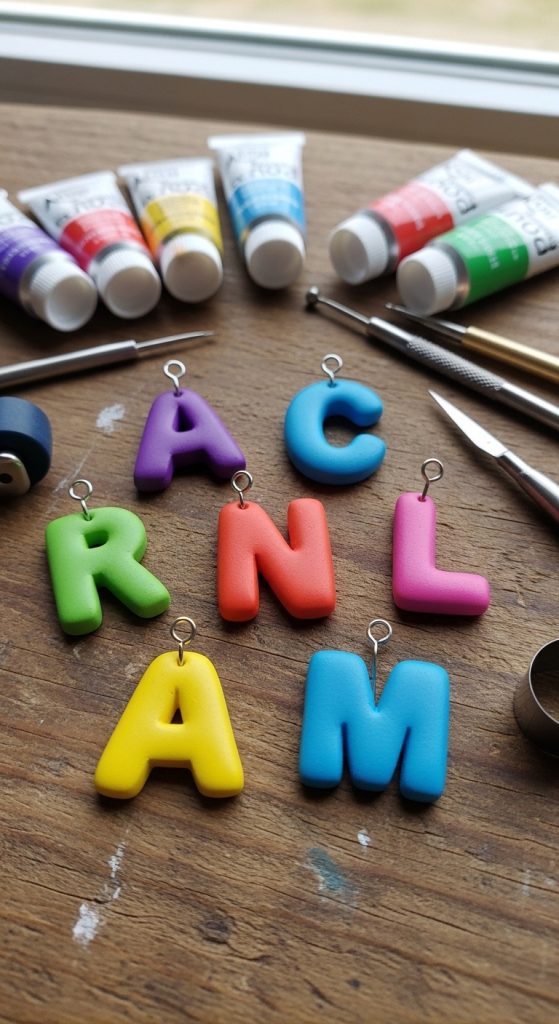
Clay letters or initials are a simple and personal charm option. Using polymer clay, roll out thin strips and form individual letters or words. Smooth the edges and flatten the shapes as needed. Bake according to instructions, then add a jump ring through a small drilled hole or attach a wire loop. These charms are perfect for personalized jewelry, like name bracelets or initial necklaces. You can mix and match colors to create a vibrant and playful look.
Materials Needed: Polymer clay, sculpting tools, eye pins, jump rings, acrylic paint.
Steps Overview: Shape letters → Bake → Paint or decorate → Attach jump ring.
9. Shrink Plastic Charms
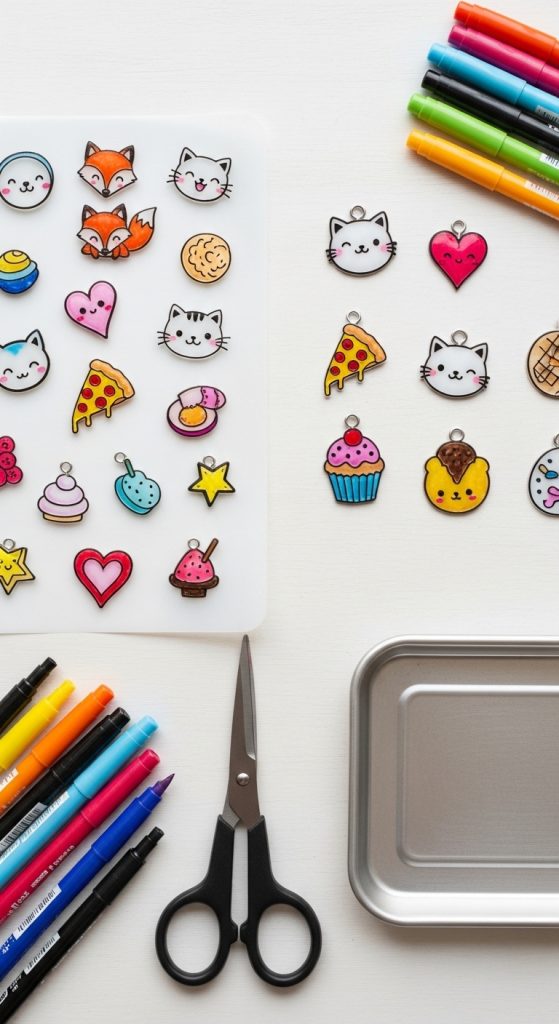
Shrink plastic, also known as shrink film, is a fun medium for custom charms. Draw or print small designs onto the plastic sheets, cut them out, and punch a hole for hanging. When heated in the oven or with a heat tool, the plastic shrinks to a fraction of its original size and becomes thicker. This method is ideal for creating miniature illustrations, logos, or symbols as charms. Shrink plastic charms are lightweight, colorful, and perfect for keychains or backpack accessories.
Materials Needed: Shrink plastic sheets, colored markers or pens, scissors, hole punch, oven or heat tool.
Steps Overview: Draw design → Cut → Punch hole → Heat → Attach to accessory.
10. Nature-Inspired Charms
Nature-inspired charms bring a touch of the outdoors into handmade jewelry. You can create charms using pressed leaves, small twigs, seashells, or stones. Encapsulate them in resin or wire-wrap them for durability. These charms are perfect for bohemian-style jewelry, bookmarks, or bag charms. They allow crafters to experiment with textures, colors, and organic shapes. Using natural elements adds a meaningful and earthy quality to your creations, connecting the wearer to nature.
Materials Needed: Leaves, small stones, twigs, resin or wire, jump rings.
Steps Overview: Collect materials → Prepare or encapsulate → Secure → Attach to accessory.
