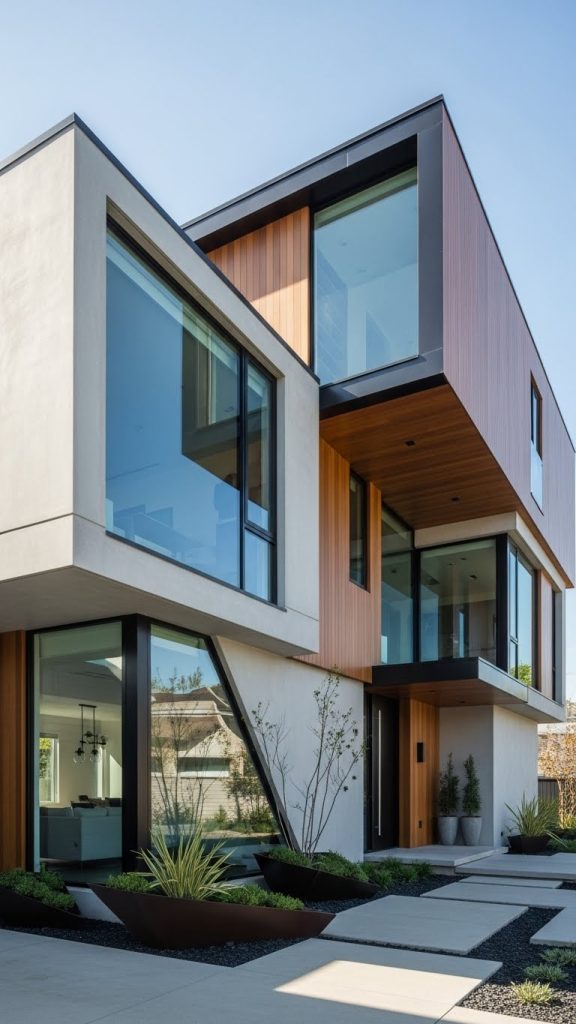
Modern home exterior design has become a symbol of elegance, simplicity, and functionality. Unlike traditional styles, modern exteriors focus on clean lines, minimalist aesthetics, and the harmonious use of materials. A well-designed exterior not only enhances curb appeal but also reflects the personality of its occupants. From sleek glass facades to textured stone walls, modern exteriors are about balance between beauty and practicality.

Creating a modern exterior requires careful planning, from selecting materials to choosing color palettes and incorporating sustainable features. Homeowners increasingly prefer designs that integrate indoor and outdoor spaces, offer energy efficiency, and remain timeless in style. Whether you are building a new home or renovating an existing one, understanding the principles of modern exterior design can make your property stand out in the neighborhood.
In this guide, we will explore ten key modern home exterior design ideas. Each section provides detailed insights, preparation tips, and materials to help you bring a contemporary vision to life while maintaining functionality, durability, and aesthetic appeal.
1. Minimalist Facade Design
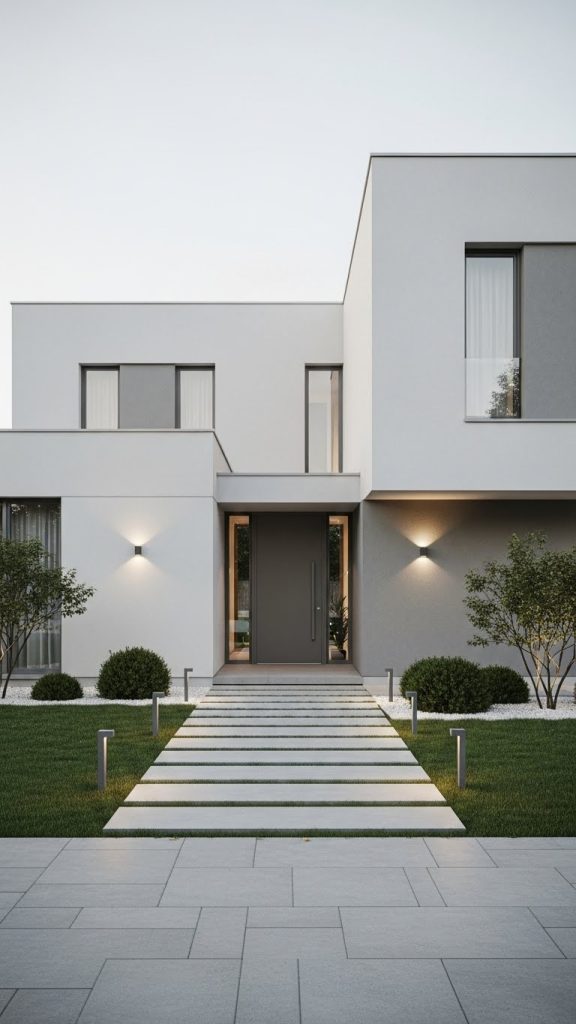
A minimalist facade is a defining feature of modern homes. It emphasizes simplicity, straight lines, and uncluttered surfaces. Neutral colors like white, grey, and beige dominate, creating a clean and elegant look. Preparation involves measuring wall dimensions accurately and choosing materials that complement each other, such as smooth plaster, concrete, or metal panels.
Materials used in minimalist exteriors often include fiber cement boards, stucco, and large glass panels for windows. These materials create visual depth without overwhelming the design. Lighting also plays a critical role; strategically placed exterior lights highlight the architectural form and add sophistication during nighttime.
When planning a minimalist facade, avoid unnecessary decorative elements. Focus on proportion, symmetry, and subtle textures. Combining wood accents or stone walls can provide warmth and contrast to an otherwise sleek exterior. The key is balance—too much decoration will detract from the minimalist aesthetic.
2. Flat Roof Designs
Flat roofs are a hallmark of modern architecture, offering both style and practicality. They provide a clean, linear profile that contrasts sharply with traditional sloped roofs. Preparation involves ensuring proper drainage and structural support, as flat roofs can accumulate water if not designed correctly.
Materials commonly used include reinforced concrete, EPDM rubber, and bitumen membranes, all providing durability and weather resistance. Flat roofs also offer opportunities for functional spaces such as rooftop gardens, terraces, or solar panel installation. This adds value and functionality to the home.
Flat roof exteriors are ideal for modern homes seeking a bold architectural statement. Combining them with large glass windows or cantilevered sections enhances the modern look. Proper insulation is essential to maintain energy efficiency and prevent water leakage.

3. Large Glass Windows
Modern home exteriors often feature large glass windows to maximize natural light and connect indoor and outdoor spaces. Preparation requires careful measurement, quality window frames, and consideration of energy efficiency. Laminated or tempered glass ensures safety, while double or triple glazing enhances insulation.
Glass windows create an open, airy feeling and complement minimalist or geometric exteriors. Frames can be aluminum, steel, or wood, depending on the desired style. Combining fixed glass panels with sliding doors or folding windows creates seamless transitions to patios or gardens.
To maintain modern aesthetics, avoid overly decorative grills or curtains. Instead, focus on simple window treatments like roller blinds or shades. Properly designed glass facades can reduce energy costs and elevate the overall exterior appeal.

4. Natural Stone Cladding
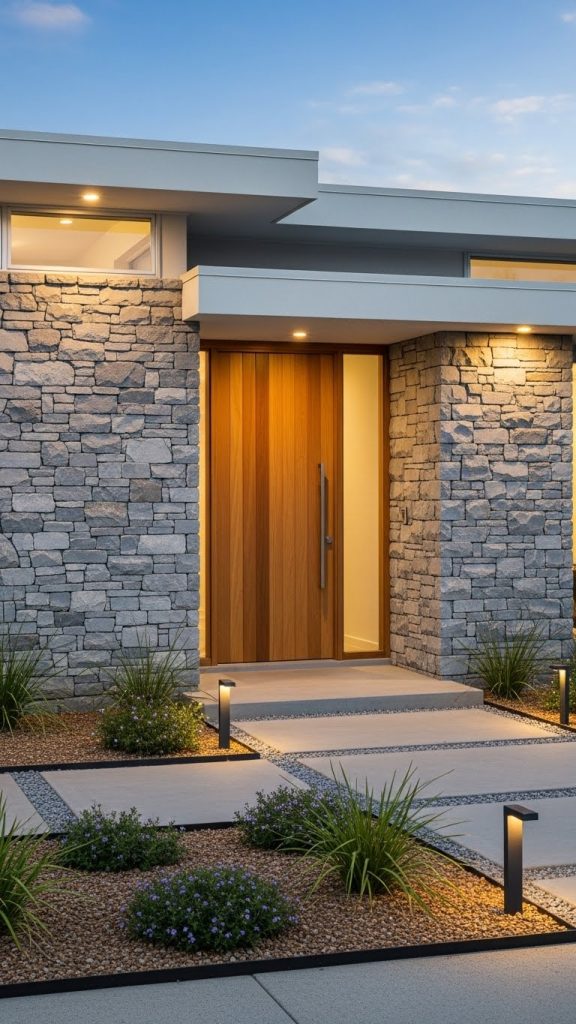
Stone cladding adds texture and sophistication to modern exteriors. It is durable, low maintenance, and visually striking. Preparation involves choosing the type of stone—granite, slate, or limestone—and ensuring a smooth base for installation. Adhesives or mechanical fasteners are used to secure the stones.
Stone cladding works well for accent walls, entrance facades, or boundary walls. Combining stone with glass or metal elements creates a modern, balanced look. Natural variations in stone colors and patterns add depth and character without overwhelming the design.
Maintenance is simple; periodic cleaning keeps the surface looking fresh. Stone exteriors are weather-resistant and provide excellent insulation, making them practical for various climates. Careful placement and proportioning ensure the stone complements rather than dominates the modern design.
5. Wooden Accents
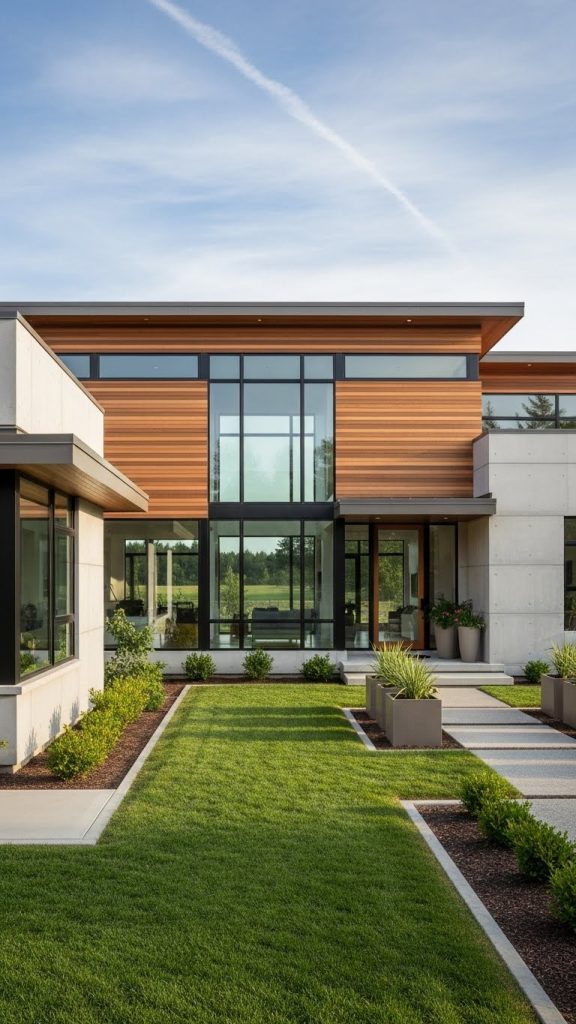
Incorporating wood into modern exteriors brings warmth and natural beauty. Wood can be used for doors, window frames, cladding, or pergolas. Preparation involves selecting weather-resistant timber such as cedar, teak, or engineered wood, and treating it to withstand moisture and pests.
Wood contrasts beautifully with concrete, glass, or metal, softening the overall look. Horizontal or vertical wooden panels create visual interest without cluttering the facade. Maintenance includes sealing or staining the wood to preserve its natural appearance over time.
Using wood strategically—rather than covering the entire exterior—prevents the design from feeling too rustic. When combined with clean lines, modern lighting, and neutral colors, wooden accents contribute to a cozy yet contemporary exterior.
6. Metal Cladding and Panels
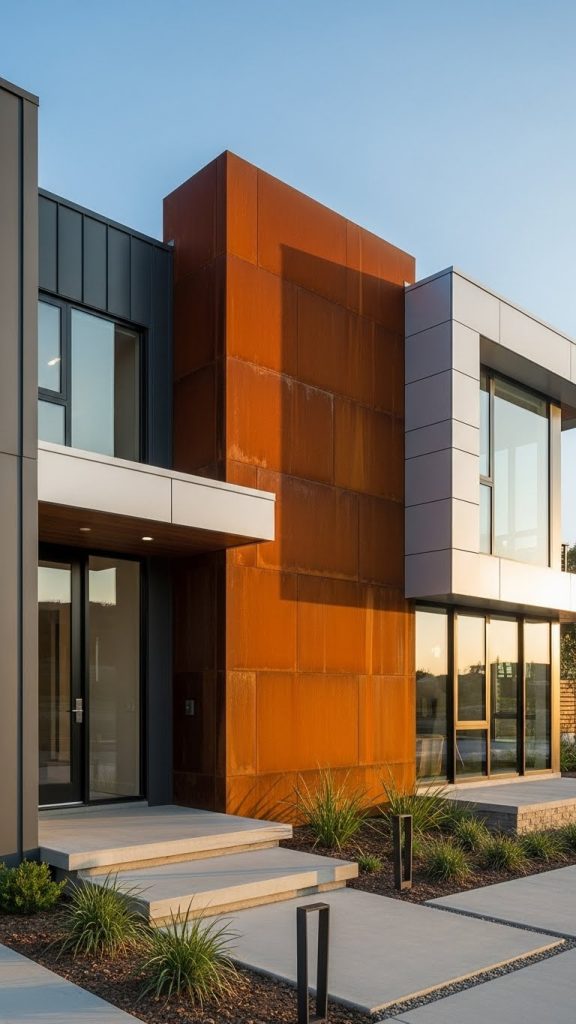
Metal is a versatile material that enhances modern exteriors with sleekness and durability. Aluminum, steel, and corten are popular choices. Preparation requires a level surface, precise measurements, and sometimes structural reinforcement to support heavy panels.
Metal panels offer durability, low maintenance, and a contemporary aesthetic. They can be used for entire facades or as accent walls. Metal’s reflective properties can brighten spaces, while corten steel’s rusted look adds warmth and texture.
Combining metal with glass or stone produces a balanced modern design. Ensure proper insulation behind metal panels to prevent heat loss or gain. Powder-coated finishes or anodizing improves resistance to corrosion and weathering.
7. Outdoor Lighting Integration
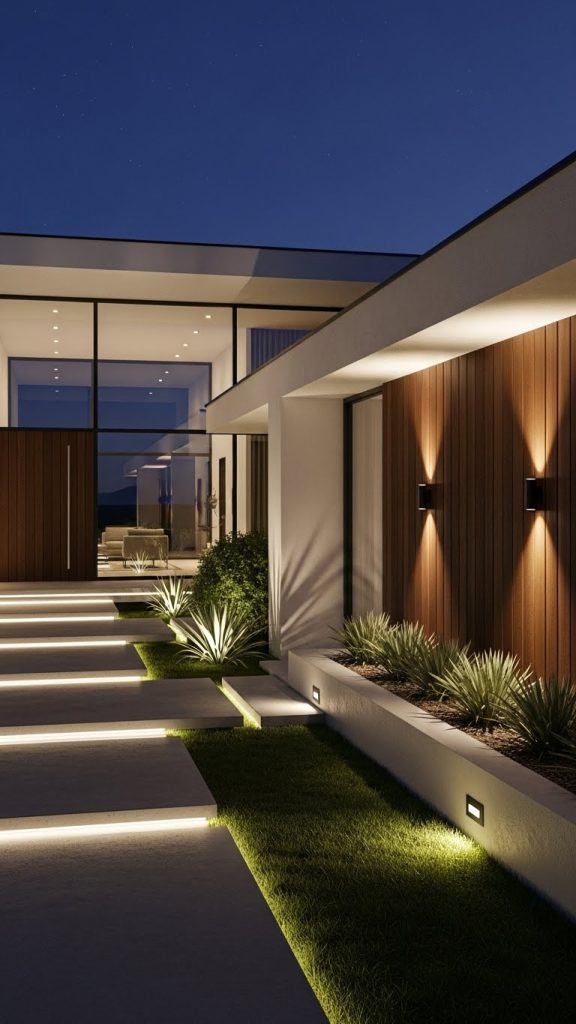
Modern exteriors are incomplete without well-planned outdoor lighting. Lighting highlights architectural details, improves safety, and creates ambiance. Preparation involves planning the layout, selecting fixtures, and installing wiring before finishing exterior surfaces.
LED strip lights, recessed floor lights, and wall-mounted fixtures are popular choices. They can illuminate pathways, accentuate walls, or highlight textures like stone or wood. Motion sensors or smart lighting enhance functionality and energy efficiency.
Lighting also affects perception; warm lights create a welcoming feel, while cool lights emphasize contemporary edges. Integrating lighting seamlessly into the exterior design ensures the home remains visually appealing both day and night.
8. Landscaping and Outdoor Spaces
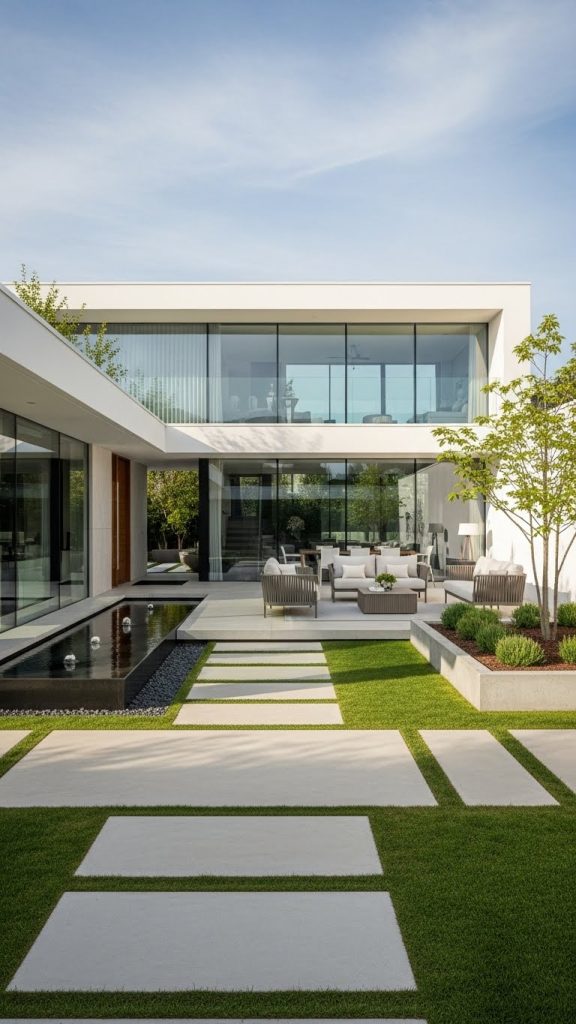
Modern exterior design is incomplete without thoughtful landscaping. Clean lines, minimalistic gardens, and well-planned pathways complement the home’s architecture. Preparation involves soil assessment, plant selection, and layout planning.
Materials like concrete pavers, gravel, and grass create a balanced, modern look. Raised garden beds, planters, and water features add visual interest without clutter. Native plants reduce maintenance and enhance sustainability.
Outdoor spaces like patios, terraces, or rooftop gardens expand living areas and strengthen the connection to nature. Landscaping should emphasize simplicity, symmetry, and proportion, reflecting the minimalist principles of modern design.
9. Sustainable and Energy-Efficient Features
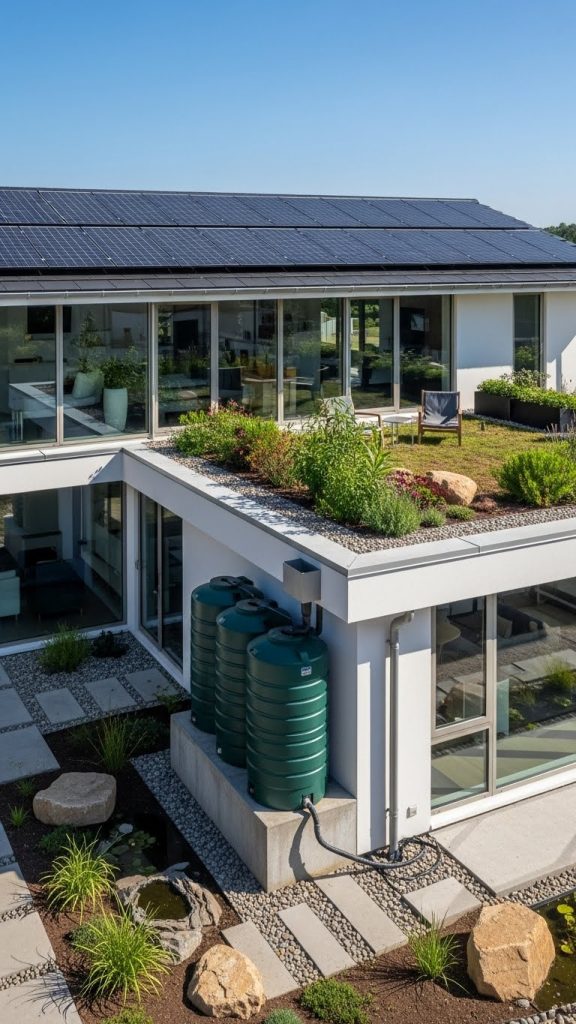
Modern homes increasingly focus on sustainability. Energy-efficient exteriors include solar panels, green roofs, rainwater harvesting, and high-performance insulation. Preparation involves evaluating local climate, sun exposure, and available technologies.
Materials such as insulated panels, low-emissivity glass, and recycled composites improve energy efficiency while maintaining aesthetics. Sustainable landscaping reduces water consumption and supports environmental goals.
Incorporating these features not only reduces utility costs but also adds value and future-proofs the home. A modern exterior that prioritizes sustainability demonstrates thoughtful design and long-term planning.
10. Geometric Shapes and Asymmetry
Geometric shapes and asymmetrical designs define the modern aesthetic. Boxes, cubes, and angular structures create visual interest and stand out in neighborhoods dominated by traditional homes. Preparation requires precise planning, structural engineering, and high-quality materials to maintain stability.
Combining geometric volumes with large windows, metal accents, and neutral colors achieves a dynamic look without appearing chaotic. Asymmetry should be balanced—strategically placing elements ensures harmony while creating focal points.
These design choices emphasize innovation and creativity, making the exterior unique. Modern architecture thrives on bold forms, and careful execution ensures these shapes remain elegant and functional.