
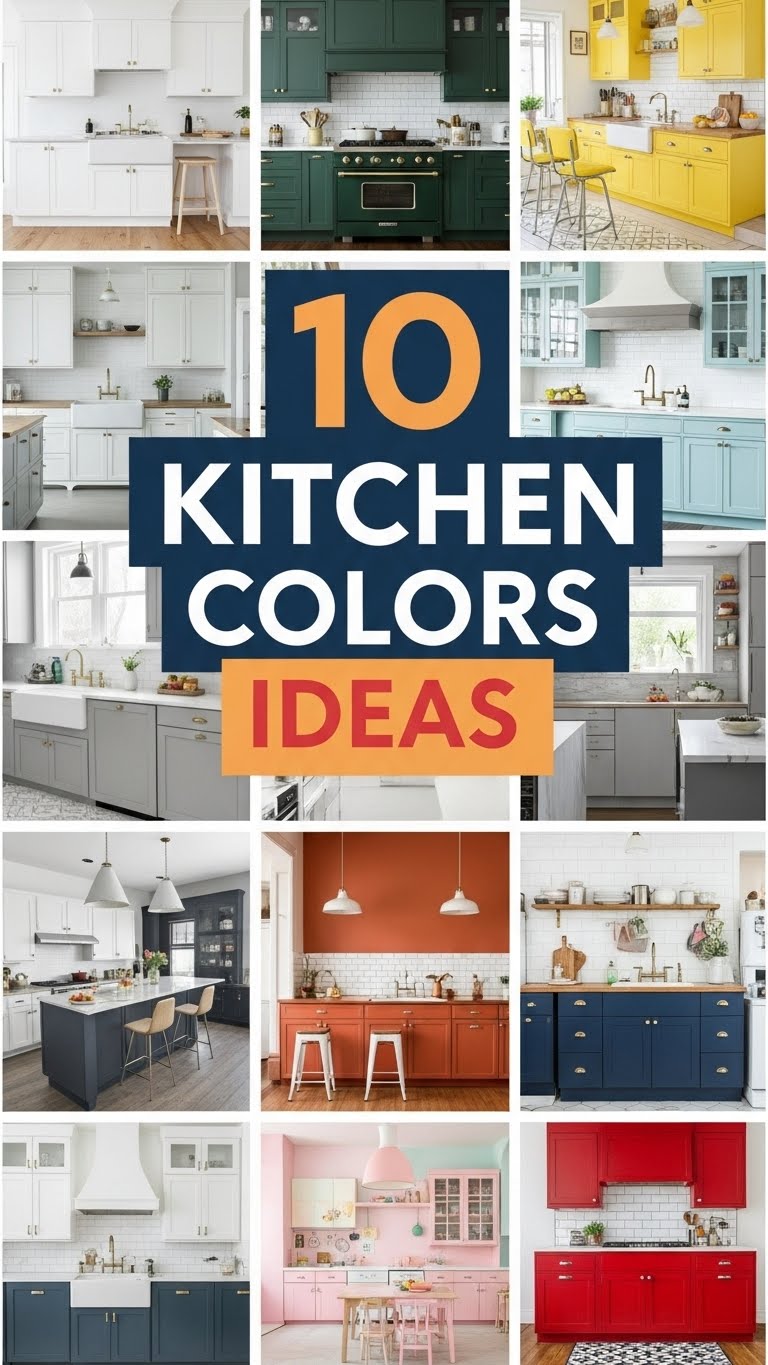
The kitchen is the heart of any home, where meals are prepared, family gathers, and memories are made. Choosing the right color palette is crucial for creating a space that is both functional and visually appealing. Whether you prefer a vibrant, bold atmosphere or a calm and neutral environment, the right color can completely transform your kitchen. Here are ten kitchen color ideas to inspire your remodel, along with preparation tips, materials, and practical advice.

1. Classic White Kitchen
A white kitchen provides a timeless, clean, and spacious feel. Begin by preparing the walls, cabinets, and ceilings with a thorough cleaning to remove grease and dust. White paint, preferably semi-gloss for cabinets and walls, enhances light reflection and makes the space appear larger. Pair white with light-colored countertops such as marble or quartz for elegance. Materials include high-quality paints, primer, cabinet hardware, and optionally, backsplash tiles in complementary tones. White kitchens are versatile and allow for easy integration of accent colors through décor, utensils, or appliances. Lighting plays a crucial role, so maximize natural light with large windows and consider pendant lighting over counters. Maintenance is essential, as white surfaces can show stains easily. Proper preparation, including sanding and priming cabinets, ensures a smooth and durable finish that will last for years.

2. Soft Gray Elegance
Gray is a sophisticated and versatile color that pairs well with both modern and traditional kitchens. Prepare the space by cleaning surfaces and choosing a neutral gray tone that complements your cabinets, flooring, and countertops. Materials include high-quality gray paint, primer, stainless steel hardware, and optionally, contrasting backsplash tiles. Gray works well with white countertops for a subtle contrast or dark countertops for a more dramatic effect. Lighting is important; soft gray reflects light effectively, so supplement natural light with ambient and task lighting. Accessories and décor in muted metallics or wood tones enhance warmth and visual interest. Preparation also involves testing paint samples in different lighting conditions to ensure the desired tone. A gray kitchen provides a calming, elegant atmosphere and pairs well with various materials, textures, and color accents for a balanced and cohesive look.

3. Navy Blue Statement
Navy blue kitchens create a bold and luxurious appearance while remaining classic and timeless. Prepare the kitchen by cleaning walls and cabinets, sanding surfaces, and applying a suitable primer for deep colors. Use navy paint with a semi-gloss finish for cabinets and walls, paired with brass or gold hardware to enhance sophistication. Countertops in white marble or light stone create a striking contrast. Materials include high-quality paint, primer, cabinet handles, and optionally, a stylish backsplash with geometric or marble patterns. Lighting is essential, as navy can darken the space, so maximize natural light and add layered lighting with under-cabinet and ceiling fixtures. Navy kitchens offer a dramatic focal point and pair well with white, wood, or metallic accents. Proper preparation and attention to color balance ensure a visually stunning and functional kitchen remodel.

4. Warm Beige and Taupe
Beige and taupe create a warm, inviting, and versatile kitchen environment. Preparation begins with cleaning all surfaces and repairing imperfections. Paint walls, cabinets, and trim with high-quality neutral shades that blend seamlessly. Materials include beige or taupe paint, primer, hardware, and optionally, natural stone or wood countertops. Beige kitchens benefit from layered textures, such as wooden cabinets, stone backsplashes, and woven décor accents. Adequate lighting enhances warmth, making the space feel cozy and welcoming. Soft taupe tones provide a subtle contrast with cream countertops or stainless steel appliances. Preparation should include testing small areas to ensure the tones harmonize with natural and artificial light. Beige kitchens are ideal for homeowners seeking timeless elegance, easy customization, and a neutral backdrop that accommodates accent colors and seasonal décor changes.

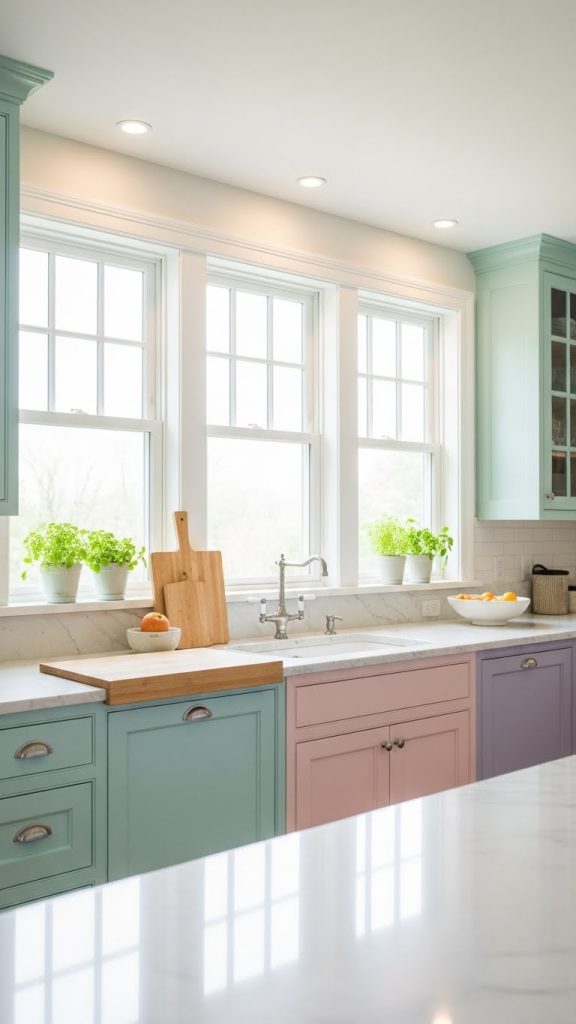
5. Soft Pastel Palette
Pastel colors, such as mint green, blush pink, or soft lavender, bring charm, warmth, and subtle personality to kitchens. Prepare surfaces by cleaning and priming cabinets, walls, and trim. Use semi-gloss paint to ensure durability and ease of cleaning. Materials include pastel paints, primer, cabinet handles, and complementary countertop materials such as light wood or marble. Pastel kitchens work well in smaller spaces, creating a cheerful and airy atmosphere. Incorporate light-colored tiles or subway patterns for backsplashes. Lighting should be bright and even, enhancing the gentle tones. Accessories such as pastel utensils, ceramics, or small appliances can enhance cohesion. Preparation also involves choosing pastels that suit your kitchen’s natural lighting, avoiding overly pale shades that appear washed out. Soft pastel kitchens provide a fresh, charming aesthetic with an inviting, contemporary feel.
6. Bold Red Accents
Red kitchens are vibrant, energetic, and dramatic, perfect for those seeking a statement space. Begin by preparing walls and cabinets, cleaning thoroughly and applying a high-quality primer. Use deep red paint or red accents on cabinetry, islands, or backsplashes, paired with neutral colors like white, gray, or black to balance intensity. Materials include red paint, primer, durable hardware, and complementary countertops. Lighting is crucial, as red can darken spaces; use ample ambient and task lighting. Red kitchens stimulate energy and appetite while creating a focal point in the home. Accessories should be kept minimal to avoid visual clutter. Preparation includes testing red tones under different lighting conditions to ensure the right intensity. Proper balance with neutral or metallic finishes enhances sophistication and ensures that the boldness does not overwhelm the kitchen’s functionality.

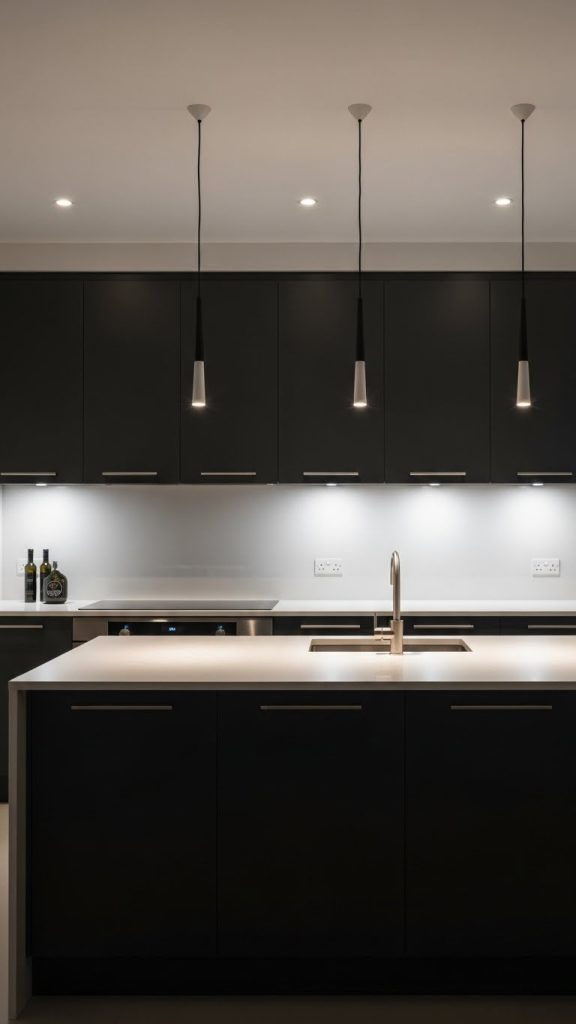
7. Charcoal and Black Modern
Charcoal and black kitchens create a dramatic, sleek, and ultra-modern environment. Start by preparing cabinets, walls, and trim with cleaning, sanding, and priming. Use matte or semi-gloss black paint on cabinets or accent walls. Pair with white or light countertops and metallic hardware to soften contrast. Materials include high-quality dark paint, primer, stainless steel or brass hardware, and modern lighting fixtures. Charcoal kitchens benefit from bright ambient lighting, under-cabinet lighting, and reflective surfaces like glossy backsplashes or glass cabinet doors. Accessories and textiles should be minimal and cohesive. Preparation includes ensuring surfaces are smooth and evenly primed for deep tones, as imperfections are more visible with dark colors. Charcoal kitchens provide a sophisticated, contemporary aesthetic and are ideal for homeowners seeking bold, modern design without compromising elegance.
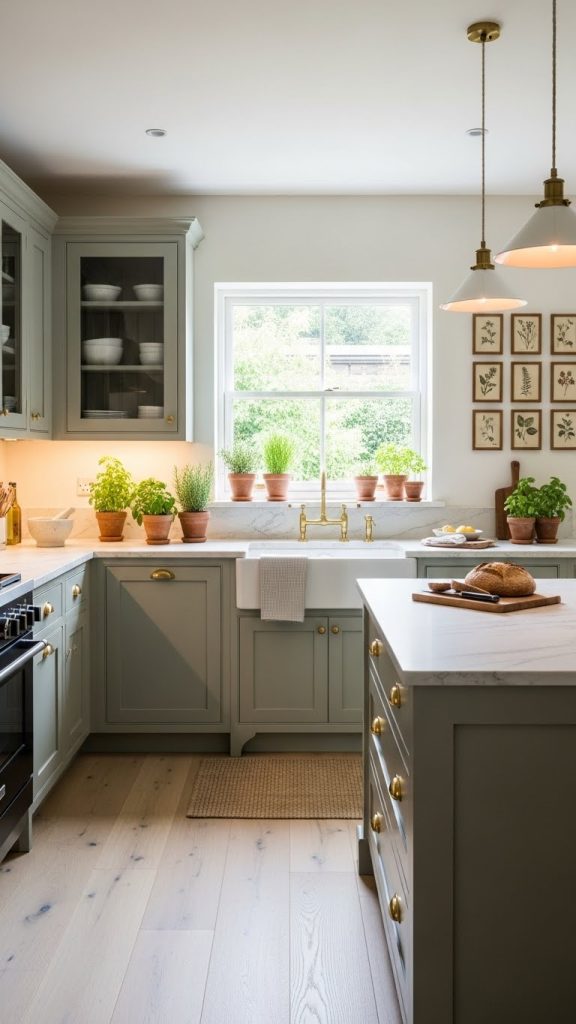
8. Earthy Green Tones
Green kitchens create a calming, nature-inspired ambiance. Olive, sage, or deep forest greens pair well with wood, brass, and stone elements. Begin preparation by cleaning surfaces and priming cabinets and walls. Apply durable semi-gloss paint to cabinets and walls. Materials include green paint, primer, hardware in natural metallic finishes, and stone or wooden countertops. Backsplashes in neutral tiles complement the earthy palette. Lighting should be bright but warm to highlight green tones. Accessories such as plants, wooden utensils, and natural textiles enhance the organic feel. Preparation involves testing green shades with natural and artificial light to ensure the desired mood. Green kitchens are versatile, working well in modern, traditional, and rustic designs. They provide a refreshing, grounding aesthetic that promotes relaxation and harmony in the heart of the home.
9. Two-Tone Kitchen Design
Two-tone kitchens create depth, contrast, and visual interest by combining complementary colors. Begin by cleaning, sanding, and priming cabinets and walls. Choose a primary color for upper cabinets and a contrasting tone for lower cabinets or islands. Materials include high-quality paint in both tones, primer, coordinating hardware, and countertops that unify the color scheme. Lighting should enhance both color zones, ensuring the space remains balanced and inviting. Popular combinations include navy and white, gray and wood tones, or pastel and neutral shades. Accessories should harmonize with both colors to maintain cohesion. Preparation involves careful color selection, testing combinations in small areas, and ensuring smooth finishes. Two-tone kitchens add personality and style while providing flexibility in décor and furniture choices.

10. Warm Wood and Neutral Mix
A warm wood and neutral kitchen combines natural textures with timeless appeal. Prepare the kitchen by cleaning surfaces and sanding cabinets and walls. Use natural wood finishes on cabinetry, paired with neutral walls and countertops in cream, white, or gray. Materials include wood stain or natural wood cabinets, durable paint for walls, hardware, and stone or quartz countertops. Lighting should highlight wood tones, creating a warm and welcoming environment. Accessories can include metallic finishes, ceramic accents, or natural textiles. Preparation also includes testing wood stains to ensure color consistency and compatibility with overall kitchen design. This approach blends natural warmth with modern neutrals, creating a balanced and inviting kitchen suitable for various home styles.
