


A modern backyard is more than just a patch of grass—it is an extension of your home, a personal retreat, and a space for relaxation and entertainment. With the right landscaping ideas, your backyard can become a versatile and attractive area that reflects your taste and lifestyle. Modern landscaping emphasizes clean lines, functional spaces, and a harmonious blend of natural and artificial elements. Whether you have a small urban garden or a large suburban yard, modern landscaping can transform the outdoors into a practical and beautiful environment.
To create a modern backyard, you need to plan carefully, select the right materials, and understand the best plants and features for your space. Modern designs often focus on simplicity, symmetry, and ease of maintenance. You can incorporate features such as outdoor living spaces, water elements, lighting, and sustainable practices to make your backyard both attractive and functional. The following ten ideas will guide you through modern landscaping techniques, providing inspiration and practical advice for creating a backyard that stands out while remaining easy to maintain. Each idea includes information about preparation, materials, and essential considerations for implementation.
1. Minimalist Hardscaping
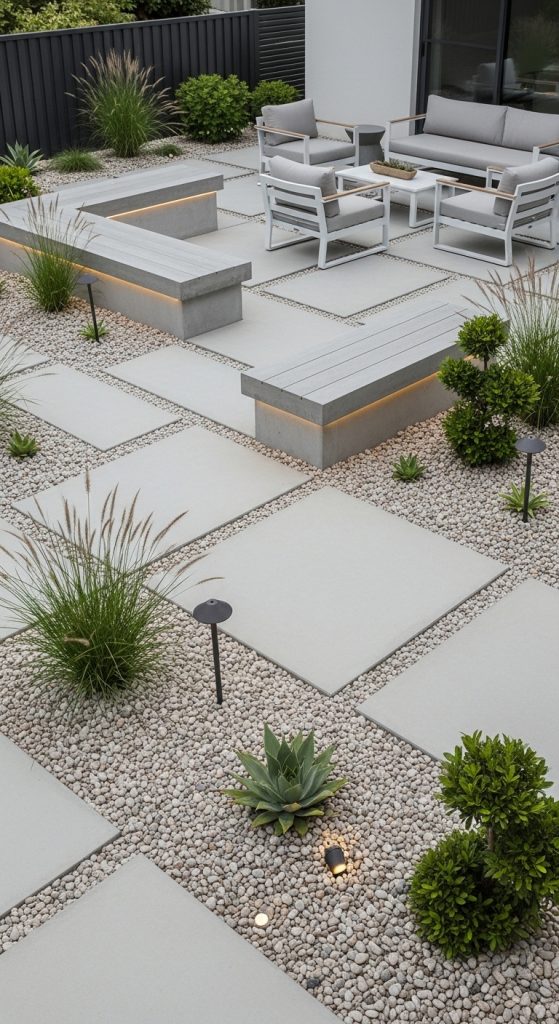
Minimalist hardscaping is at the heart of modern backyard design. This approach focuses on clean lines, uncluttered spaces, and the use of durable materials such as concrete, stone, or gravel. Hardscaping includes pathways, patios, retaining walls, and seating areas that define the structure of your backyard. By keeping designs simple, you can create a sense of order and elegance that complements natural greenery.
Preparation is key. Begin by mapping your backyard and deciding where hardscape elements should be placed. Remove existing vegetation, level the ground, and install proper drainage systems. Materials like concrete pavers, natural stone slabs, or gravel beds provide both functionality and aesthetic appeal. Use neutral colors and geometric shapes to maintain a modern look. Minimalist furniture, such as low-profile benches or modular seating, can be integrated seamlessly into the hardscape. Additionally, consider using subtle lighting along pathways and seating areas to enhance the ambiance at night.
Minimalist hardscaping requires careful planning but minimal maintenance once installed. The simplicity allows plants and decorative elements to stand out, creating a balanced and cohesive backyard. It is ideal for homeowners who prefer a clean, contemporary style with low upkeep.
2. Vertical Gardens and Green Walls
Vertical gardens, also known as green walls, are a modern solution for maximizing greenery in small or limited spaces. They involve growing plants vertically on walls or structures, making them an eye-catching feature in any backyard. Green walls not only improve aesthetics but also contribute to air quality, reduce noise, and help regulate temperature.
Start by selecting a wall or freestanding structure suitable for vertical planting. Materials for the frame include metal grids, wood panels, or modular planting systems with pockets or trays. Lightweight soil mixes and proper irrigation are essential to keep plants healthy. Popular plants for vertical gardens include ferns, succulents, and herbs, chosen for their adaptability and low maintenance needs. Ensure the wall receives appropriate sunlight depending on the plant species, and consider drip irrigation systems for automatic watering.
Vertical gardens can be installed against fences, house walls, or standalone panels. They are particularly effective in urban settings where horizontal space is limited. Combining a variety of textures and colors will create visual interest and make your backyard feel lush and vibrant. A vertical garden is a functional and modern landscaping element that brings greenery into tight spaces.

3. Outdoor Living Spaces
Modern backyards often double as outdoor living areas, blending comfort and style with nature. Outdoor living spaces can include patios, lounges, dining areas, or even outdoor kitchens. These spaces encourage relaxation, socializing, and entertaining guests, making the backyard a true extension of the home.
To create an outdoor living space, start by planning the layout. Decide the primary function—whether it will be a seating area, dining spot, or entertainment zone. Materials for flooring can include wood decking, stone tiles, or composite materials that withstand weather changes. Incorporate furniture designed for outdoor use, such as weather-resistant sofas, chairs, and tables. Shade solutions like pergolas, retractable awnings, or umbrellas help provide comfort in hot weather. Lighting plays an important role, and options like string lights, lanterns, and recessed floor lights add ambiance.
Additional features can include fire pits, water features, or planters to enhance aesthetics. Choosing durable and low-maintenance materials ensures longevity and reduces upkeep. Outdoor living spaces increase the usability of your backyard, creating a welcoming and stylish environment for modern lifestyles.

4. Water Features and Fountains
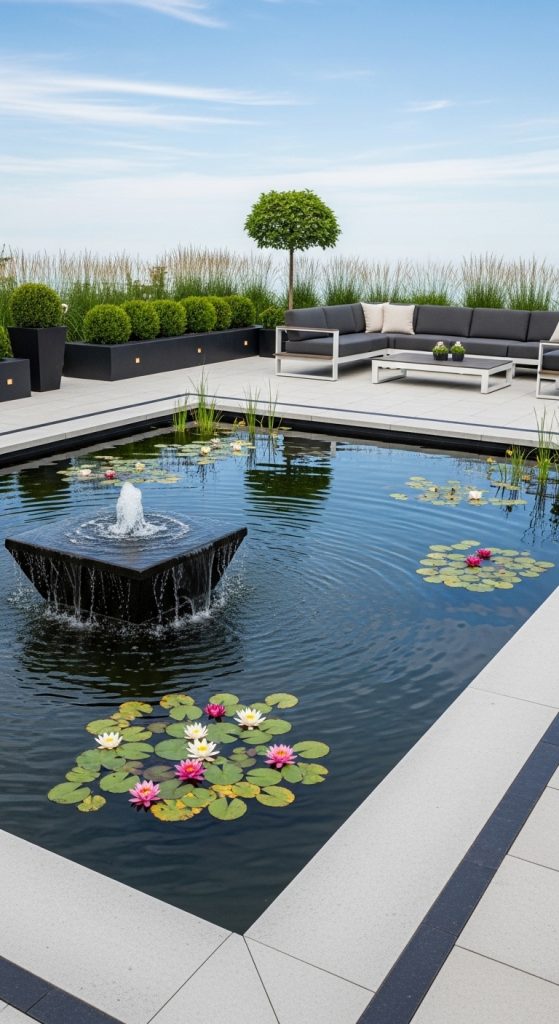
Incorporating water features is a classic way to enhance modern backyard landscaping. Water elements like fountains, ponds, or waterfalls create a sense of tranquility and visual appeal. The sound of running water can mask urban noise and bring a soothing atmosphere to your outdoor space.
Planning is crucial before installation. Assess the size and location of the water feature, considering safety, drainage, and sunlight exposure. Materials vary depending on style and budget, including natural stone, concrete, fiberglass, and stainless steel. For ponds or fountains, a pump and filtration system are necessary to maintain water quality. Low-maintenance plants like water lilies or floating aquatic plants can be added for natural beauty. Lighting, especially underwater or LED lights, enhances the visual effect during nighttime.
Water features can be standalone elements or integrated into patios, decks, or gardens. Small fountains are suitable for compact backyards, while larger ponds or waterfalls are ideal for spacious outdoor areas. A well-designed water feature not only enhances aesthetics but also adds a calming sensory experience, elevating your backyard to a modern, serene retreat.
5. Sustainable Landscaping
Sustainable landscaping is a growing trend in modern backyard design, focusing on eco-friendly materials, water conservation, and energy-efficient practices. This approach reduces environmental impact and creates a backyard that is both beautiful and responsible.
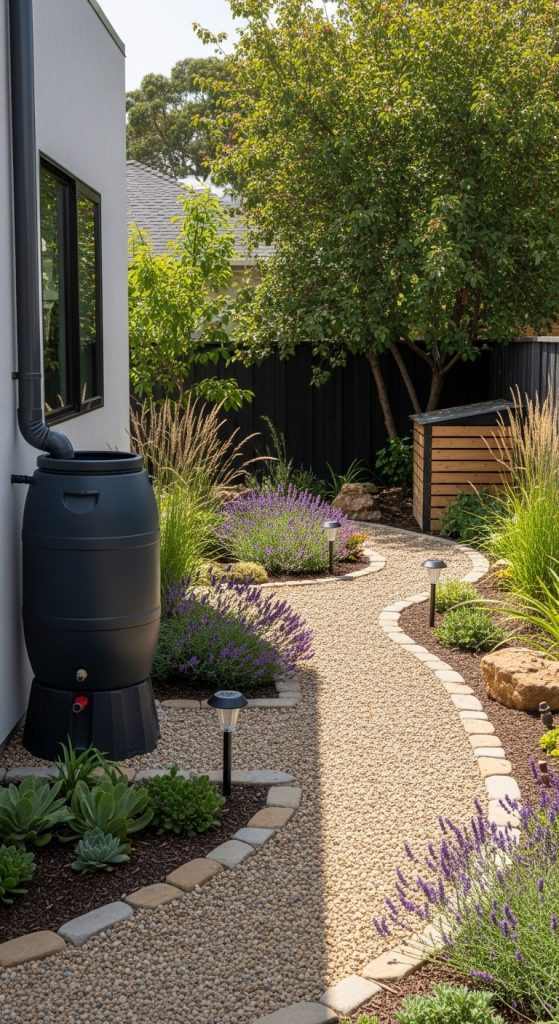
Start by choosing drought-resistant plants and native species that require minimal watering and care. Incorporate permeable paving materials to allow rainwater absorption and prevent runoff. Composting, rainwater harvesting, and smart irrigation systems can further reduce resource use. Mulching garden beds helps retain moisture and improves soil health. Additionally, use recycled or sustainable materials for hardscaping and furniture, such as reclaimed wood, recycled metal, or eco-friendly composites.
Sustainable landscaping can also include planting trees strategically to provide natural shade, reduce heat, and improve energy efficiency for your home. Integrating vegetable or herb gardens allows you to grow your own food, further contributing to eco-conscious living. Beyond environmental benefits, sustainable landscaping often requires less maintenance and lowers long-term costs, making it an attractive option for modern homeowners.
6. Outdoor Lighting Design
Outdoor lighting is a vital component of modern backyard landscaping, enhancing safety, functionality, and aesthetics. Proper lighting transforms a garden from ordinary to extraordinary, highlighting architectural features, pathways, plants, and water elements.
Begin by mapping key areas that need illumination, including pathways, patios, decks, and focal points like statues or trees. Use a combination of lighting types: ambient for general illumination, task lighting for functional areas, and accent lighting to highlight features. LED lights are energy-efficient and versatile, available in warm and cool tones. Solar-powered lights are an eco-friendly option that requires minimal wiring.
Consider installing lighting under steps, along pathways, or within garden beds to create a layered effect. Hanging lanterns or string lights can add charm to dining and seating areas. Smart lighting systems allow you to control brightness and color remotely, creating dynamic effects for different occasions. Thoughtful outdoor lighting increases usability at night and creates a modern, inviting atmosphere in your backyard.

7. Multi-Level Decking
Multi-level decking is a modern design approach that adds dimension and functionality to your backyard. Different deck levels can define separate areas for dining, lounging, and gardening, creating a visually appealing and organized space.
Start by evaluating the terrain and determining how many levels are practical. Use materials such as treated wood, composite decking, or bamboo, which are durable and weather-resistant. Each level should be safely constructed with proper supports and railings where necessary. Incorporate steps, planters, and built-in seating to make the deck more functional. Lighting along the edges or under the steps adds both safety and ambiance.
Multi-level decking works well for sloped yards, as it transforms uneven terrain into usable areas. By integrating greenery, outdoor furniture, and water features, each level can serve a specific purpose. This approach maximizes outdoor living space and adds a contemporary, layered look that enhances the overall backyard experience.

8. Outdoor Fire Features
Fire features like fire pits, fireplaces, or built-in fire tables are popular in modern backyard landscaping. They create warmth, light, and a natural gathering spot for family and friends, extending the usability of the backyard into cooler evenings.
Choose a location with proper ventilation and sufficient space for seating around the fire feature. Materials such as stone, concrete, or metal are durable and can withstand heat. Portable fire pits are flexible, while built-in fireplaces or fire tables offer a more permanent and sophisticated solution. Include safety measures like fireproof surfaces, screens, and easy access to extinguishing tools.
Surround the fire feature with comfortable seating, cushions, and weather-resistant furniture. Adding lighting, plants, or decorative stones enhances the ambiance. Fire features combine functionality with aesthetic appeal, providing a focal point that encourages outdoor socializing while complementing modern design principles.

9. Xeriscaping
Xeriscaping is a landscaping method designed to minimize water use while maintaining beauty and functionality. It is ideal for areas with limited rainfall or homeowners who want low-maintenance gardens.
The first step in xeriscaping is selecting drought-tolerant plants such as succulents, ornamental grasses, and native perennials. Replace traditional lawns with gravel, mulch, or decorative stones to reduce water consumption. Efficient irrigation systems like drip irrigation ensure water reaches plant roots without waste. Grouping plants with similar water needs simplifies maintenance and improves survival rates.
Xeriscaping often includes hardscaping elements, such as pathways, patios, and raised beds, to create visual interest. Combining textures, colors, and heights produces a modern, layered look without excessive water use. This approach not only saves resources but also reduces upkeep, making it a practical and stylish choice for environmentally conscious homeowners.

10. Integrated Garden Art and Sculptures
In modern backyard landscaping, incorporating garden art or sculptures adds personality and visual interest. Art pieces can act as focal points, drawing attention and enhancing the overall aesthetic of your backyard.
Start by choosing artworks that complement the style of your backyard, whether minimalist, abstract, or classical. Materials such as metal, stone, or ceramic are suitable for outdoor conditions. Position sculptures in prominent areas, like near seating zones, pathways, or water features. Combining art with greenery, such as framing sculptures with plants or flowers, enhances the visual impact.
Art can also include functional elements, such as sculptural benches, planters, or decorative screens. By carefully selecting and placing art pieces, you can create a unique and modern backyard that reflects your personality. Integrated garden art elevates the outdoor space from a simple garden to a curated and stylish environment.
