
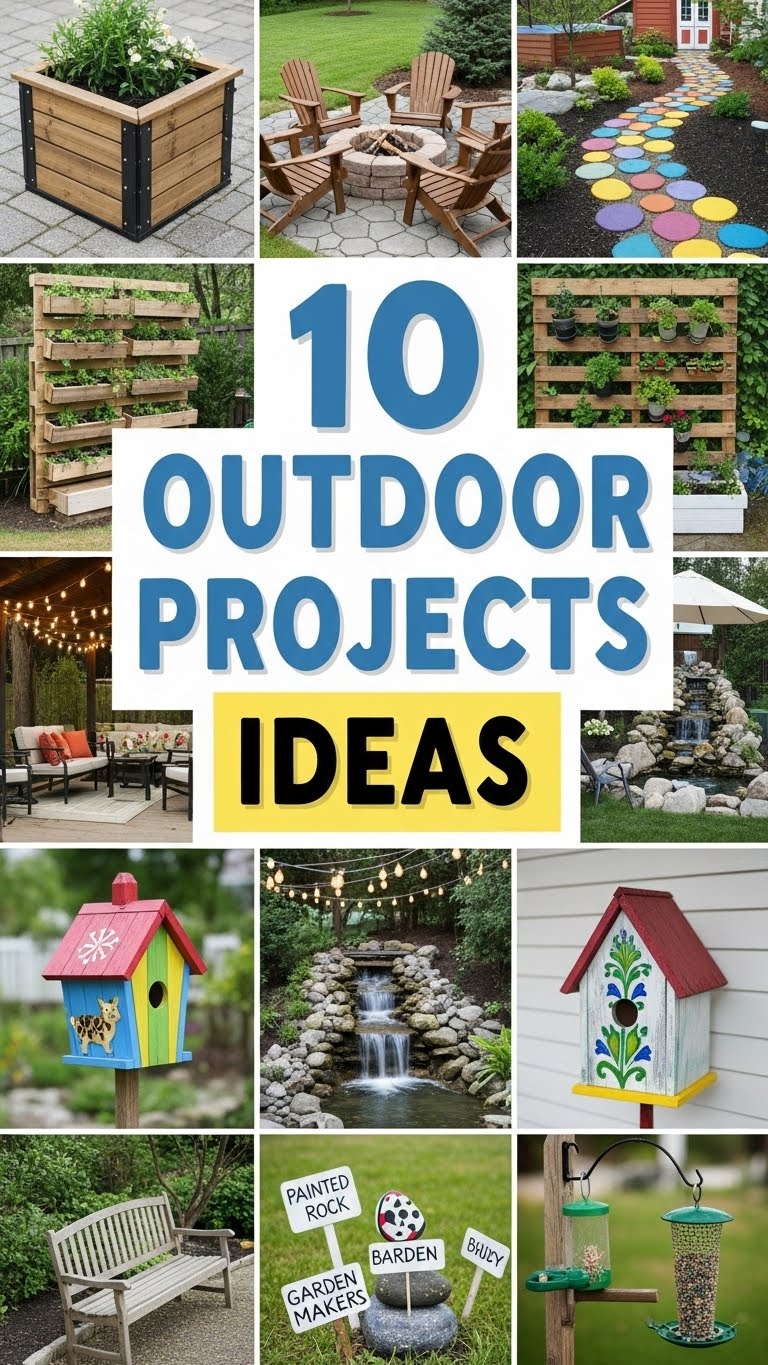
Spending time outdoors is not only refreshing but also an opportunity to enhance your garden, patio, or backyard space. Engaging in DIY outdoor projects allows you to combine creativity, functionality, and aesthetics. Below are ten outdoor project ideas with detailed instructions, preparation tips, and material requirements.

1. DIY Wooden Garden Bench
A wooden garden bench adds charm and provides a comfortable place to relax.
Materials Needed:
- Pressure-treated wood planks
- Wood screws
- Wood glue
- Sandpaper
- Outdoor wood stain or paint
- Drill and saw
Preparation and Steps:
Measure your desired bench dimensions. Cut the wood planks for legs, seat, and backrest. Sand all pieces to ensure a smooth surface and eliminate splinters. Assemble the legs and seat using wood glue and screws for extra stability. Attach the backrest securely. Apply a coat of outdoor wood stain or paint to protect against weather and add a polished look. Place the bench on a flat surface in your garden or patio. This project is beginner-friendly and takes around 4-6 hours. A wooden garden bench not only enhances outdoor seating but also serves as a functional decor element. Regular maintenance, including re-staining every few years, will ensure longevity.

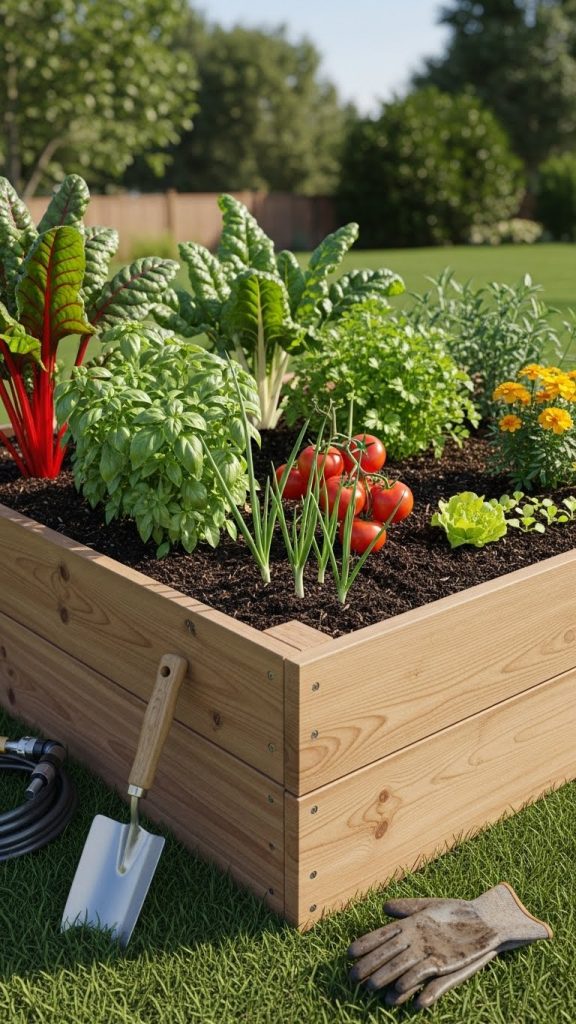
2. Raised Garden Bed
Raised garden beds improve soil drainage, reduce weeds, and make gardening more accessible.
Materials Needed:
- Wooden boards (cedar or redwood preferred)
- Screws or nails
- Drill or hammer
- Soil and compost
- Landscape fabric (optional)
Preparation and Steps:
Choose a sunny spot for your raised bed. Cut wood boards to desired dimensions, usually 4×4 feet for beginners. Assemble the frame by connecting the boards with screws. Lay the frame directly on the ground or use landscape fabric to prevent weed growth. Fill the bed with a mix of garden soil and compost. Raised garden beds offer better control over soil quality and are ideal for growing vegetables, herbs, or flowers. They are low-maintenance, ergonomic, and prevent soil compaction. Regular watering, mulching, and seasonal soil replenishment will ensure a productive garden.
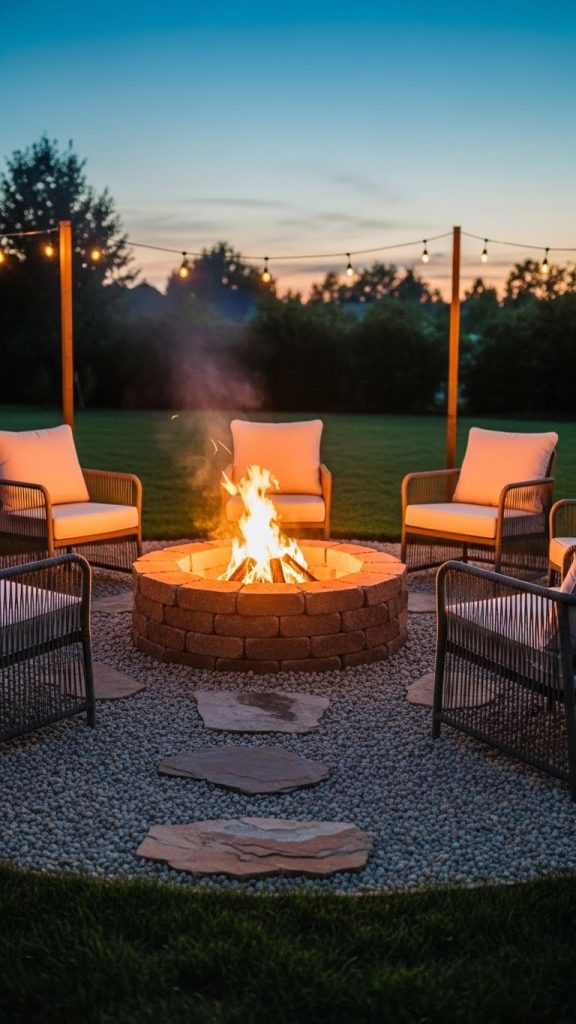
3. DIY Fire Pit
A backyard fire pit is perfect for evening gatherings and adds a cozy atmosphere.
Materials Needed:
- Fire-resistant bricks or pavers
- Sand
- Gravel
- Steel fire pit ring (optional)
- Shovel
Preparation and Steps:
Select a level area away from trees or structures. Dig a shallow circular hole about 6-12 inches deep. Pour a layer of gravel for drainage and cover it with sand. Arrange the bricks or pavers in a circular pattern to form the fire pit walls. Use a steel ring inside to prolong the pit’s life if desired. Ensure the structure is stable and level. Fire pits encourage social gatherings, provide warmth, and create a focal point in your outdoor space. Safety measures, such as keeping a fire extinguisher nearby and maintaining a safe distance from flammable items, are essential. Regular cleaning of ash and debris will maintain the pit’s functionality.
4. Outdoor Pallet Planters
Upcycling pallets into vertical planters is eco-friendly and visually appealing.
Materials Needed:
- Wooden pallets
- Sandpaper
- Outdoor paint or sealant
- Screws
- Potting soil
- Plants or flowers
Preparation and Steps:
Choose a sturdy pallet free from chemical treatments. Sand it to remove rough edges. Apply paint or sealant to protect the wood from moisture. Attach horizontal boards to create shelves or compartments for planting. Secure the structure to a wall or fence for vertical planting. Fill compartments with soil and plant your favorite flowers or herbs. Vertical pallet planters save space, add greenery, and can transform bare walls or fences into vibrant gardens. They are ideal for small yards, patios, or balconies. Watering, sunlight, and occasional fertilization will ensure thriving plants.

5. DIY Outdoor Swing
An outdoor swing offers a relaxing retreat and can be customized for style.
Materials Needed:
- Wooden plank (for the seat)
- Rope or chain
- Drill
- Eye bolts
- Sandpaper
- Outdoor paint or varnish
Preparation and Steps:
Select a strong tree branch or install a swing frame. Sand the wooden plank to remove splinters and apply outdoor varnish for protection. Drill holes at each end of the plank and thread the rope or chain through. Secure using knots or bolts, ensuring the swing can safely hold weight. Test the swing carefully before regular use. A swing adds a playful and serene element to your backyard. Ensure the installation is sturdy and check ropes or chains regularly for wear. Adjustments may be required to achieve the perfect height for comfort.

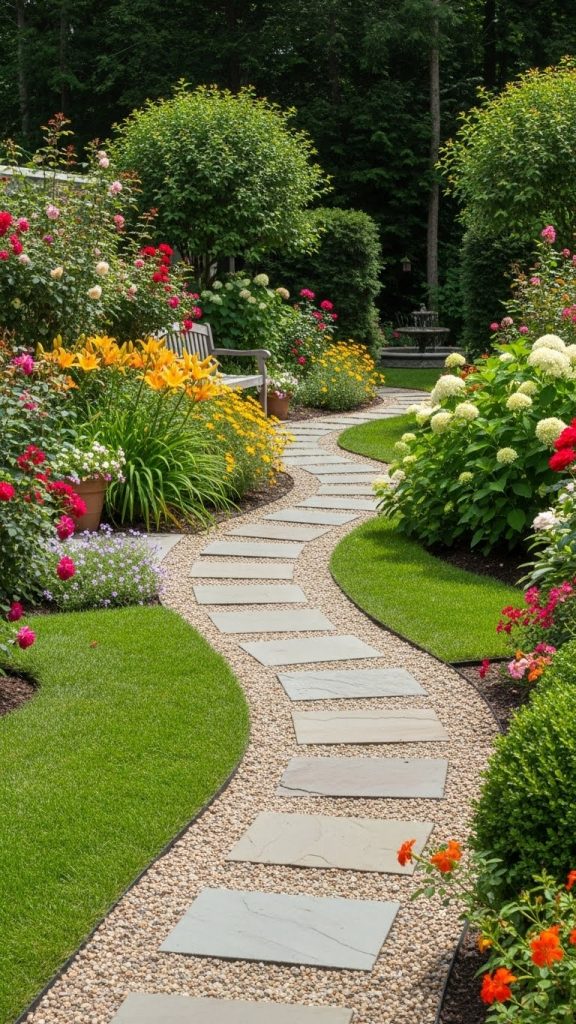
6. Stone Pathway
Stone pathways create a charming walkway and improve garden accessibility.
Materials Needed:
- Flagstones or stepping stones
- Gravel or sand
- Shovel
- Level
- Landscape fabric (optional)
Preparation and Steps:
Plan the pathway layout with a tape measure or garden hose. Excavate a shallow trench along the path and remove weeds. Lay landscape fabric to prevent weed growth. Place gravel or sand as a base and level it. Position stones evenly, ensuring stability and a flat walking surface. Fill gaps with sand or soil to secure stones. Stone pathways add elegance, define garden areas, and make navigation easier. They require minimal maintenance and can withstand various weather conditions. Occasional weed removal and leveling may be necessary for long-term durability.
7. DIY Outdoor Bench Swing
Combining a bench and swing, this project is functional and stylish.
Materials Needed:
- Wooden planks for seat and backrest
- Rope or metal chains
- Drill
- Screws
- Sandpaper
- Outdoor varnish
Preparation and Steps:
Sand and treat wood to prevent splinters. Assemble a bench seat with backrest using screws and wood glue. Drill holes for ropes or chains. Hang securely from a strong tree branch or swing frame. Ensure the bench swing is stable and level before use. This combination of swing and bench enhances outdoor relaxation and seating options. Regular checks of attachment points and wood condition are necessary to ensure safety. A bench swing can become the centerpiece of any backyard gathering.

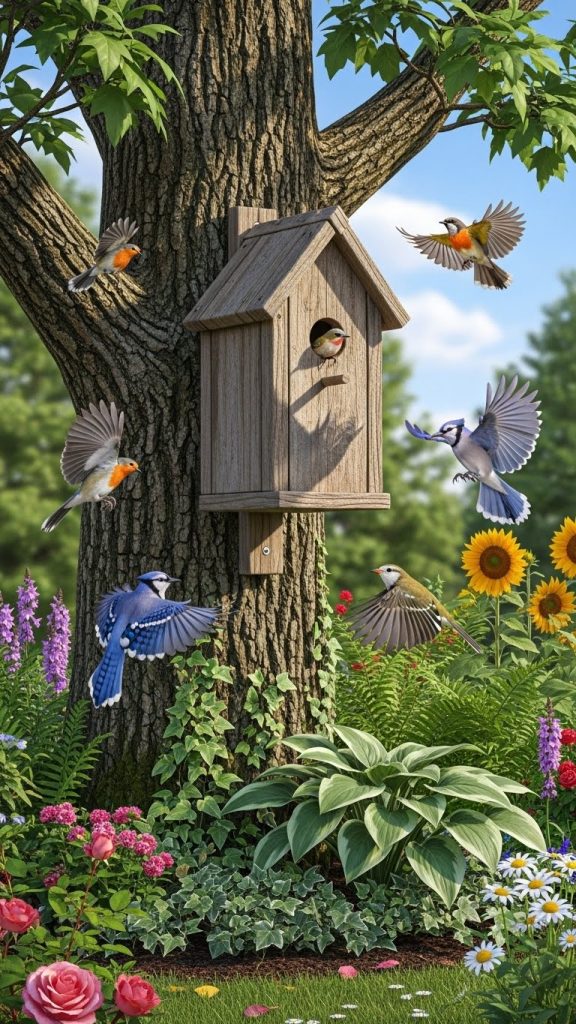
8. DIY Birdhouse
Birdhouses attract wildlife and add a whimsical element to gardens.
Materials Needed:
- Wooden planks or pre-cut birdhouse kit
- Nails or screws
- Drill
- Sandpaper
- Outdoor paint or sealant
Preparation and Steps:
Cut wood into front, back, sides, and roof panels. Sand edges to prevent injury to birds. Assemble the house using nails or screws. Drill a hole for bird entry. Paint or seal the exterior to protect against weather. Mount the birdhouse on a pole or tree at a safe height. Birdhouses provide shelter, encourage biodiversity, and create enjoyable wildlife observation opportunities. Cleaning inside the house between seasons prevents parasites. Different designs can attract specific bird species to your garden.
9. Outdoor Herb Garden
Growing herbs outdoors ensures fresh ingredients and adds greenery.
Materials Needed:
- Planters or pots
- Potting soil
- Herb seeds or seedlings
- Garden trowel
- Watering can
Preparation and Steps:
Choose a sunny location for herbs like basil, thyme, or mint. Fill planters with potting soil and plant seeds or seedlings according to spacing requirements. Water consistently and monitor sunlight exposure. Outdoor herb gardens are practical, decorative, and allow easy access to fresh culinary herbs. Herbs like rosemary, oregano, and parsley can thrive with minimal care. Regular harvesting encourages growth and maintains plant health. Outdoor herbs can also deter pests naturally, adding functional benefits to the garden.

10. DIY Backyard Pergola
A pergola provides shade, defines spaces, and supports climbing plants.
Materials Needed:
- Wooden beams and posts
- Screws and brackets
- Drill and saw
- Outdoor stain or paint
- Concrete (optional for securing posts)
Preparation and Steps:
Measure and mark the area for your pergola. Dig post holes and secure posts in concrete for stability. Assemble horizontal beams and rafters on top of the posts using screws and brackets. Apply outdoor stain or paint to protect wood from weather. Pergolas create shaded areas, enhance outdoor aesthetics, and can support vines and flowering plants. They are ideal for seating areas, patios, or garden corners. Regular maintenance, including cleaning and re-staining, prolongs the pergola’s life. Accessories like outdoor lights or curtains can further enhance the space.
