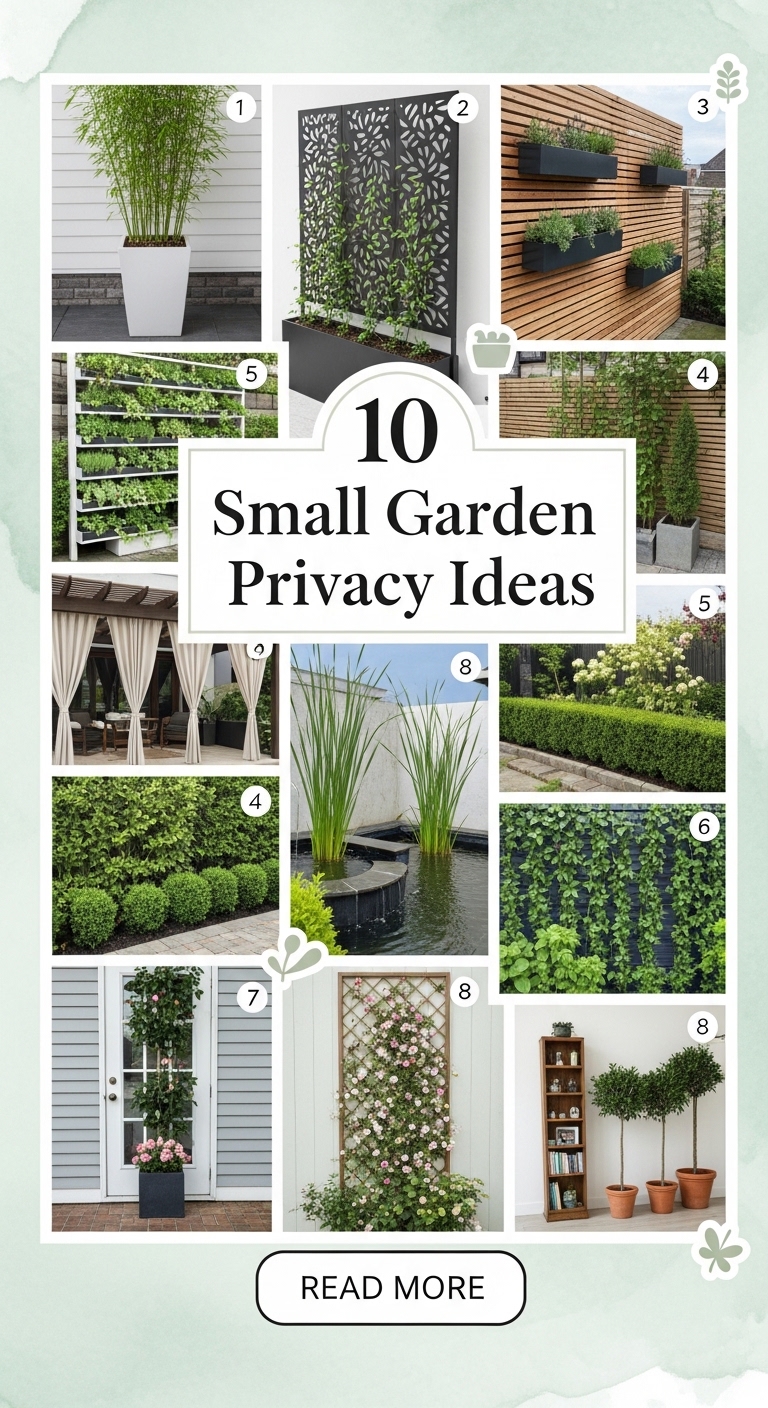
A small garden is a charming extension of your home, providing a peaceful retreat and a space for outdoor enjoyment. However, privacy can be a challenge, especially if your garden is visible from neighbors’ homes or busy streets. Creating a private garden space does not always require large walls or fences. With creativity and smart design choices, you can turn your small garden into a secluded sanctuary. Privacy features can enhance not only comfort but also the aesthetic appeal of your garden. From plants and trellises to decorative screens and outdoor furniture, there are many ways to block unwanted views while keeping your garden beautiful and inviting. In this post, we will explore ten practical and stylish ideas for enhancing privacy in small gardens. Each idea includes preparation tips, materials needed, and simple guidance for implementation. Whether you are looking for a natural solution with plants or a structural solution with screens and panels, these ideas will help you enjoy your outdoor space fully, safely, and privately.
1. Tall Planters with Greenery
Using tall planters with dense plants is an easy and versatile way to create privacy in a small garden. You can place planters along the edges of your garden to form a natural barrier that also adds greenery and color. Popular plants for privacy include bamboo, tall grasses, boxwood, and ferns. Tall planters come in various materials, such as wood, ceramic, or metal, and can be moved or rearranged according to your needs.
Preparation and materials: Select planters that are sturdy enough to hold the soil and plants. Make sure your plants are suitable for your climate and garden conditions. Use quality potting soil, and ensure the planters have proper drainage to prevent root rot. Plan the layout so that the tallest plants are positioned where maximum privacy is needed. By combining planters of different heights, you can create layers of privacy that feel lush and natural. This method works well for small gardens with limited space because it does not require permanent structures and allows flexibility in design.

2. Wooden Lattice Screens
Wooden lattice screens are a stylish and functional option for adding privacy to a small garden. They are lightweight, easy to install, and provide a framework for climbing plants, which adds extra greenery. Lattice panels can be used as standalone dividers or attached to existing fences and walls.
Preparation and materials: Choose a durable wood such as cedar or redwood that can withstand outdoor conditions. Measure the area where you want to place the screens, and purchase panels or build custom sizes. If using climbing plants, prepare soil at the base and select vines such as clematis, ivy, or jasmine. Regular maintenance may include staining or sealing the wood to prevent weather damage. Wooden lattice screens are ideal for small gardens because they offer a balance between privacy and openness, allowing light and air to pass through while blocking direct views. They also provide a vertical element, making a small garden feel larger and more structured.

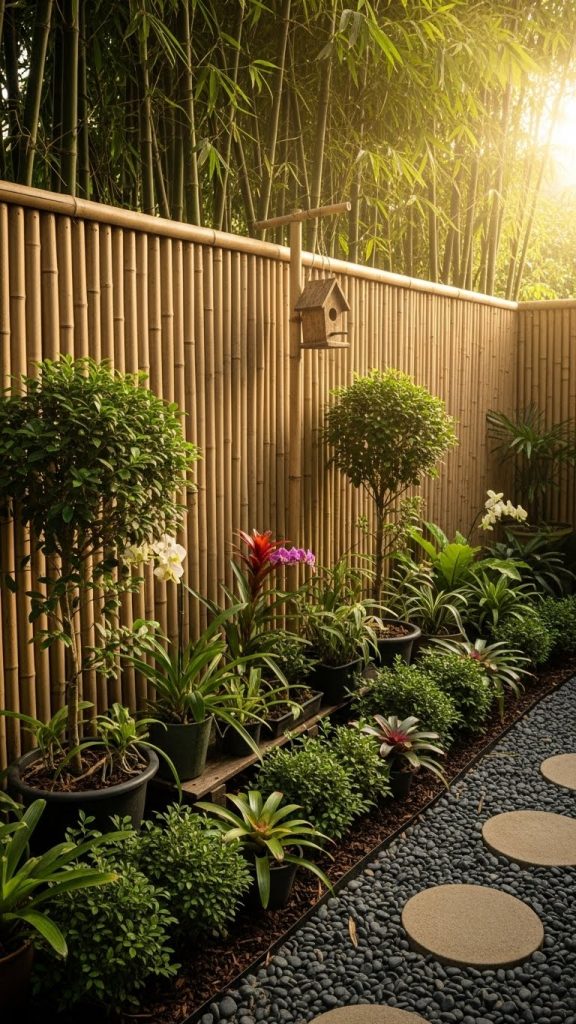
3. Bamboo Fencing
Bamboo fencing is an affordable, eco-friendly, and effective way to create privacy. It adds a natural and tropical feel to the garden while acting as a visual barrier. Bamboo is lightweight and can be attached to existing fences or posts, making it suitable for small spaces where heavy construction is not practical.
Preparation and materials: Purchase pre-made bamboo panels or rolls in the height required for your privacy needs. Secure them with strong garden ties, nails, or screws to a supporting frame or existing fence. Consider using treated bamboo to ensure durability against weather and pests. For extra stability, place stakes at the base or reinforce with a wooden frame. Bamboo fencing works best when paired with greenery or potted plants at the base, which softens the look and enhances privacy. Its natural texture blends well with various garden styles, from minimalist to rustic. Regular maintenance may include checking ties and cleaning the bamboo to prevent mildew or discoloration.
4. Hedging with Shrubs
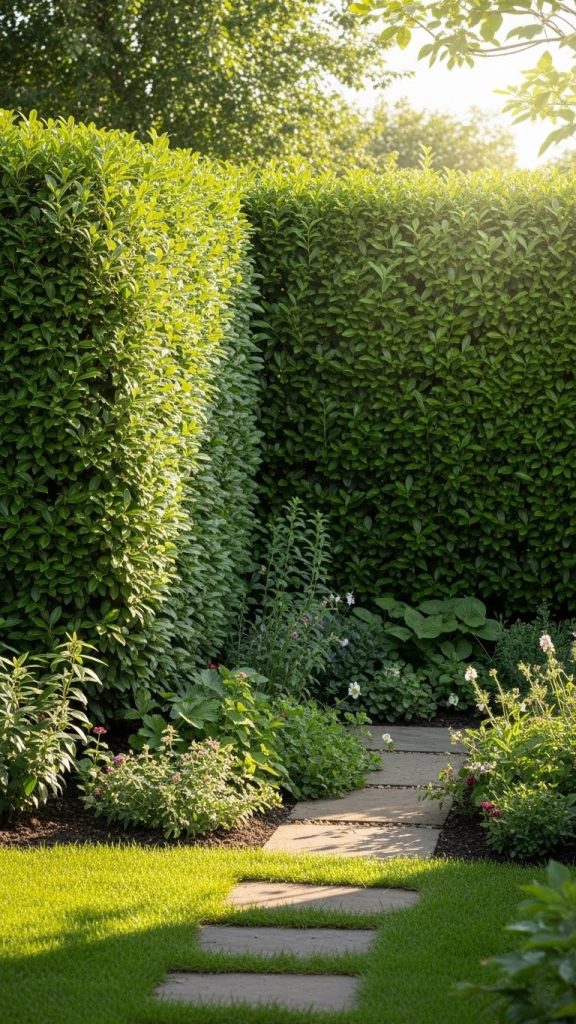
Planting a dense hedge is a classic way to increase privacy in a small garden. Shrubs such as boxwood, privet, and laurel grow thickly and provide a natural wall that can block views. Hedges also act as windbreaks and can improve the overall garden microclimate.
Preparation and materials: Select shrubs that suit your garden’s size, climate, and soil type. Prepare the planting area by removing weeds and loosening the soil. Space the plants according to their mature size to create a dense screen. Water regularly and prune as needed to maintain shape and density. For small gardens, choose slow-growing shrubs to reduce maintenance, or mix with flowering plants for added color. A well-planned hedge adds depth and texture while maintaining a natural aesthetic. It can be combined with other privacy elements, like trellises or planters, for layered coverage.
5. Outdoor Curtains or Fabric Panels
Using outdoor curtains or fabric panels is a flexible solution for small garden privacy. Curtains can be hung around patios, pergolas, or small seating areas to create intimate zones. They are easy to open or close depending on sunlight, weather, or the level of privacy desired.
Preparation and materials: Use weather-resistant fabrics such as polyester or acrylic, which can withstand sun and rain. Install a curtain rod or tension wire between posts, trees, or pergola structures. Measure your area to ensure curtains are long enough to reach the ground for maximum coverage. Choose colors and patterns that complement your garden décor. Fabric panels are also portable, making them ideal for renters or those who like to change their garden layout often. To maintain longevity, wash the fabric periodically and store it during harsh weather. This approach provides soft privacy without blocking light entirely, keeping your garden airy and cozy.

6. Trellises with Climbing Plants
Trellises are a versatile option for creating vertical privacy in a small garden. By training climbing plants to grow on a trellis, you can form a living wall that provides beauty and coverage. Popular climbing plants include jasmine, honeysuckle, roses, and clematis.
Preparation and materials: Choose a trellis made from wood, metal, or PVC, depending on your garden style and budget. Secure it firmly in the ground or attach it to a wall. Plant climbers at the base, providing enough space for roots to grow. Use ties or clips to guide plants as they climb. Regular pruning and watering are required for healthy growth. Trellises work well in small gardens because they make use of vertical space without consuming the ground area. They also create a sense of enclosure, making the garden feel private and intimate. Adding flowers or aromatic plants enhances both privacy and sensory enjoyment.

7. Decorative Metal Screens
Decorative metal screens are a modern and elegant way to enhance privacy in small gardens. They come in various patterns and can serve as standalone dividers, fence extensions, or wall-mounted panels. Metal screens add a striking design element while blocking unwanted views.
Preparation and materials: Select a weather-resistant metal such as powder-coated steel or aluminum to prevent rust. Measure the area for installation and ensure the screen is securely mounted to posts, walls, or fences. Some designs allow climbing plants to grow on the panels for added greenery. Metal screens can be customized with cut-out patterns or laser designs for a personalized touch. They require minimal maintenance compared to wood or fabric solutions and provide a durable long-term option. In small gardens, metal screens can define specific areas, such as dining or lounge spots, while adding a modern artistic element.

8. Vertical Garden Walls
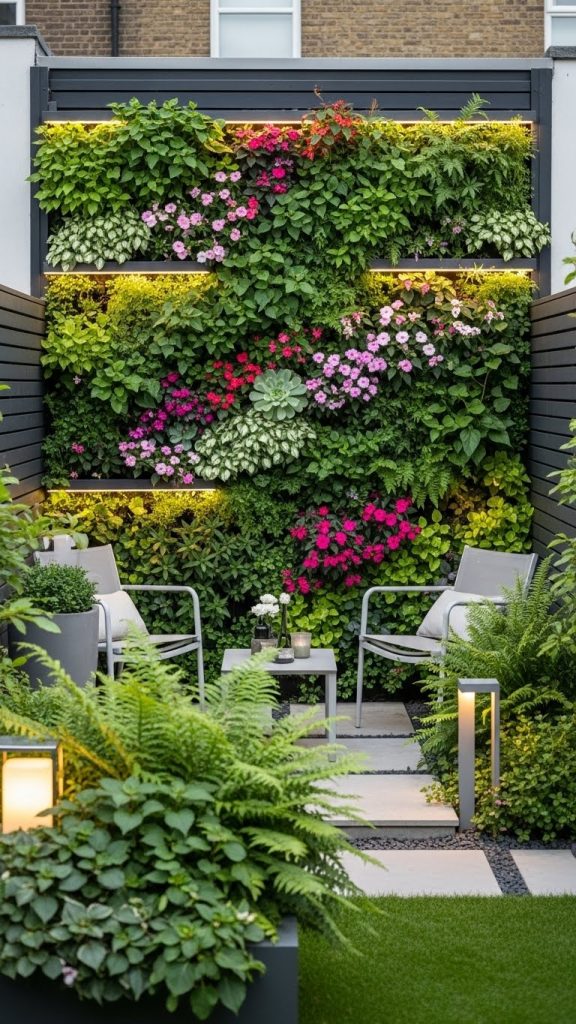
Vertical garden walls, or living walls, combine privacy and greenery in a small footprint. These walls use containers or pockets to grow plants vertically, transforming blank walls or fences into lush, private barriers. They are perfect for urban or compact gardens where space is limited.
Preparation and materials: Choose a vertical garden system such as modular panels, hanging pockets, or stacked planters. Select plants suited for vertical growth, including ferns, succulents, herbs, or flowering plants. Ensure proper irrigation, drainage, and sunlight exposure for the plants. Vertical gardens require regular maintenance, including watering, pruning, and replacing plants as needed. They provide a natural aesthetic and improve air quality while creating privacy. Small gardens benefit from vertical walls because they increase greenery without reducing usable floor space. Combining different plant types can create texture, color, and seasonal interest, making the space feel enclosed and tranquil.
9. Gabion Walls with Plants
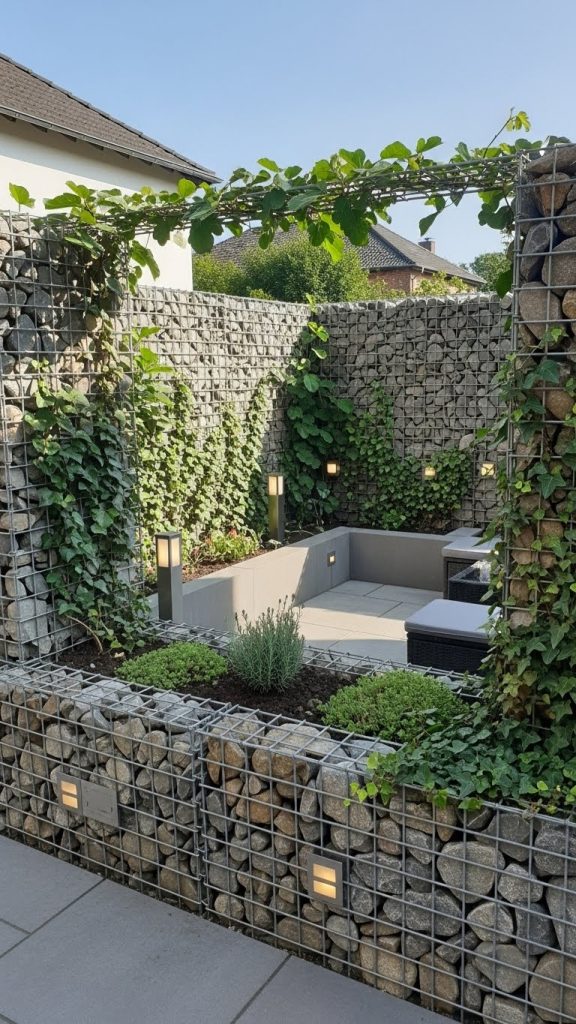
Gabion walls are wire cages filled with stones or pebbles and can be combined with plants for a functional and attractive privacy solution. They offer soundproofing and can be tailored to any height or length, making them ideal for small gardens with limited space.
Preparation and materials: Purchase or build gabion baskets and fill them with decorative stones. Leave space between sections to plant greenery or install climbing plants on top. Gabions can be stacked or aligned to form walls or partitions. They require minimal maintenance and provide a modern, industrial look. Gabion walls are durable and weather-resistant, perfect for small gardens where strong privacy barriers are needed. By adding plants around or within the gabions, you can soften their appearance, blending them naturally with the garden environment. These walls also double as seating or display areas, making them versatile for multifunctional garden spaces.
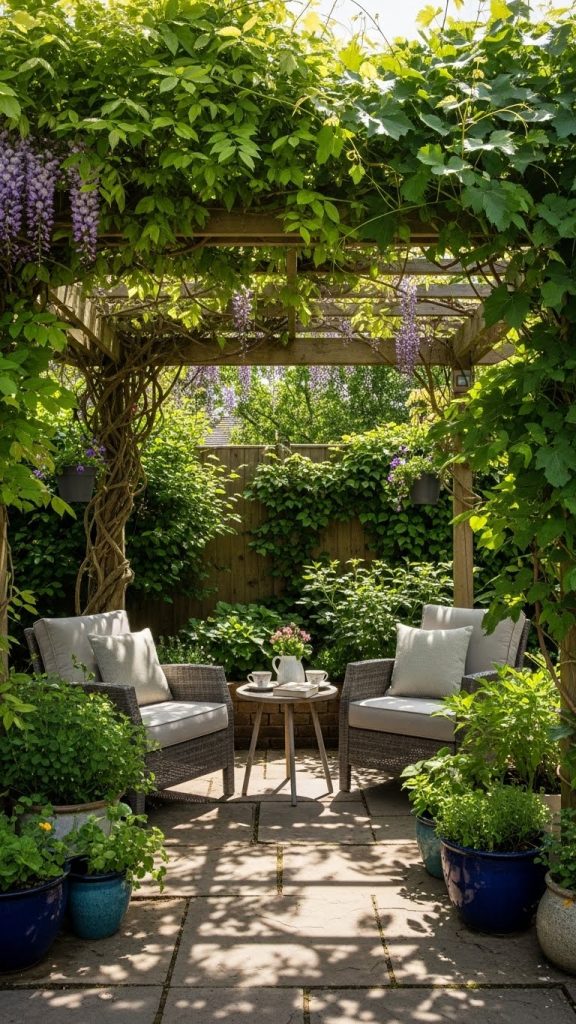
10. Pergolas with Vines
Pergolas provide shade, structure, and privacy, especially when paired with climbing plants. They create a semi-enclosed space that feels intimate while enhancing the visual appeal of a small garden. Vines such as wisteria, grape, or trumpet vine can grow over the pergola to form a leafy canopy.
Preparation and materials: Build or purchase a pergola made from wood, metal, or composite materials. Ensure it is securely anchored to withstand weather conditions. Plant climbing vines at the base and guide them over the structure using ties or wires. Water and prune plants regularly to maintain growth and coverage. Pergolas are perfect for small gardens because they define outdoor rooms and create vertical interest without using up floor space. Adding curtains, lights, or hanging plants can enhance privacy and comfort. A pergola transforms your garden into a private retreat that can be enjoyed year-round.