
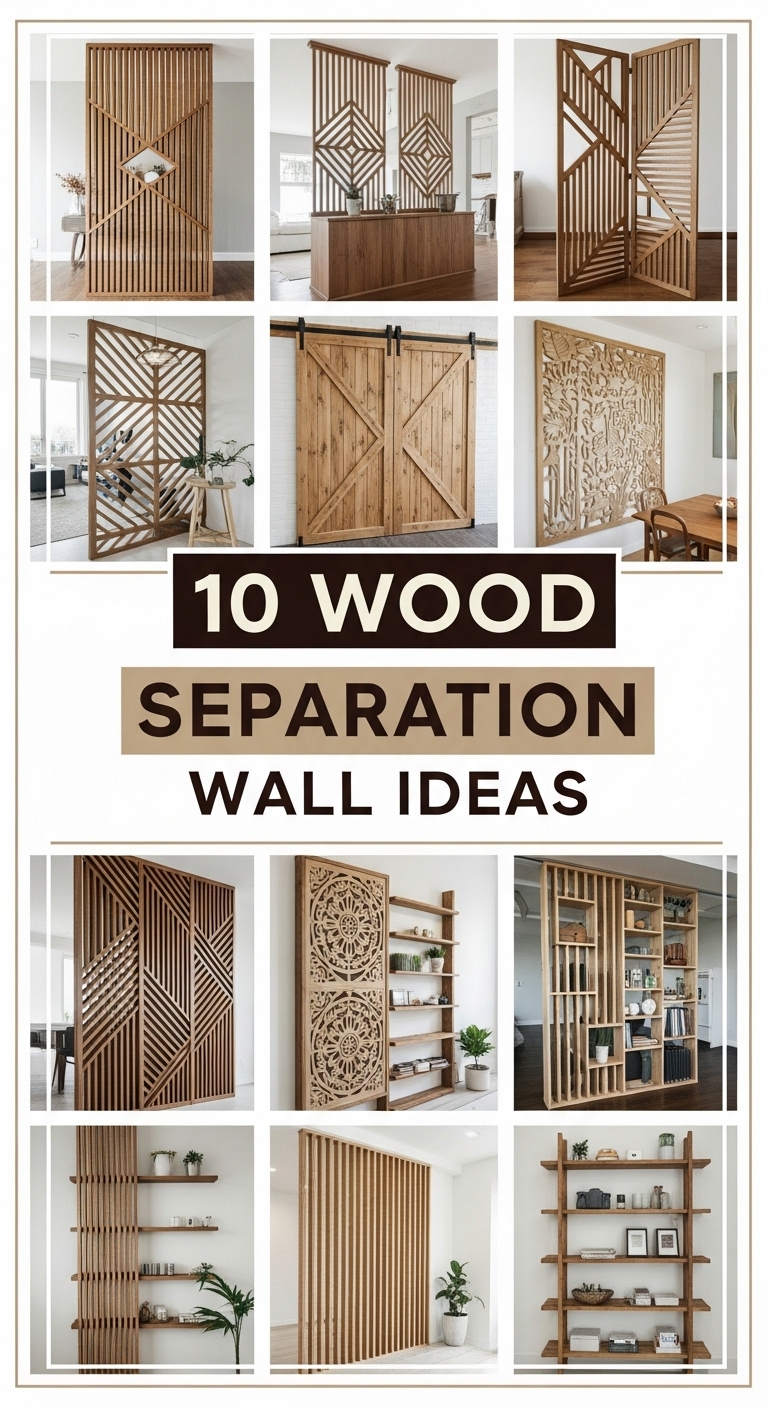
Wood separation walls are a versatile and stylish way to define areas within a home without completely closing off spaces. They create visual interest, add warmth, and can function as both decorative and functional elements. Whether you want to divide a living room from a dining area, a bedroom from a study, or add a subtle partition in an open plan home, wood separation walls offer countless possibilities. This blog explores ten creative wood separation wall ideas, complete with preparation guidance, material selection, and design details.
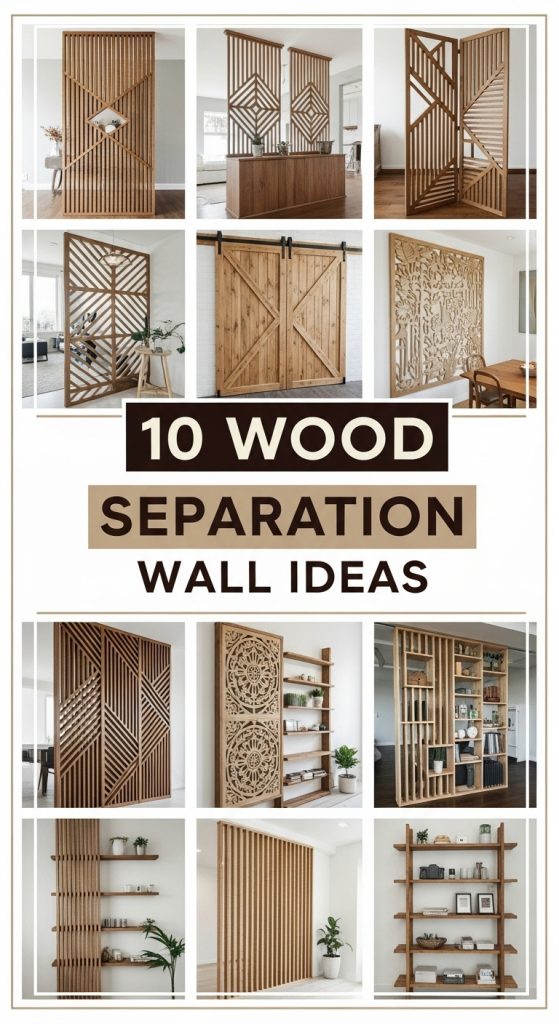
1. Vertical Slat Wood Partition
A vertical slat wood partition is one of the most popular designs in contemporary interiors. It consists of evenly spaced vertical wooden slats fixed between the floor and ceiling or on a freestanding frame. Preparation begins with measuring the width and height of the space and deciding on the spacing between the slats. Materials commonly used include solid wood like oak, walnut, or pine, or engineered wood for a more budget-friendly option. Tools required include a saw, drill, screws, wood glue, and a level. The slats can be finished with stain or paint depending on the room’s color scheme. This design allows light and airflow to pass through, maintaining an open and airy feel while providing a clear visual separation. It works well behind sofas, between kitchens and dining areas, or in hallways to create a sense of depth. Vertical slats offer a modern, sleek aesthetic and can be enhanced with subtle LED lighting along the edges for an added design element.

2. Horizontal Wooden Panel Divider
Horizontal wood panels create a warm, structured look while dividing spaces effectively. The preparation includes measuring the intended height and length of the wall and deciding on the panel width. Wide panels create a bold statement, whereas narrow panels offer a subtle effect. Materials often used include plywood, MDF, or natural hardwood. Installing horizontal panels requires precise leveling and securing with screws or adhesive. A finishing coat of stain or paint enhances durability and appearance. This design is suitable for separating living and dining areas or creating a partial wall in open plan apartments. Horizontal panels draw the eye along the length of the wall, making small rooms appear wider. The divider can include open gaps for visibility or remain solid for privacy. Adding shelves or built-in planters within the panels increases functionality. This type of partition is ideal for contemporary, industrial, or mid-century modern interiors.

3. Lattice Wood Partition Wall
A lattice wood partition is a decorative option that combines aesthetics and partial transparency. The lattice can be square, rectangular, or diagonal and is mounted between floor and ceiling or on a freestanding frame. Preparation involves measuring the wall space and determining the lattice grid size. Materials include solid wood, plywood, or bamboo for a natural finish. Tools such as saws, drills, screws, and a level are necessary. Lattice partitions allow light and air to flow while visually separating spaces, making them suitable for living rooms, patios, or offices. This design can be stained to match existing furniture or painted for contrast. Additionally, the lattice can serve as a climbing frame for decorative plants or hanging ornaments. Lattice wood walls combine functionality with design, offering a semi-private separation that feels light and stylish. They are ideal for homes aiming for an airy, organic aesthetic while maintaining defined areas.

4. Geometric Wooden Divider
Geometric wooden dividers are artistic partitions with cutouts or patterned wood pieces. They serve as functional walls while acting as statement design pieces. Preparation involves designing the geometric pattern and measuring the wall or frame. Materials used are usually plywood, MDF, or solid wood, cut precisely using jigsaws or CNC machines. The divider can be freestanding or mounted to the floor and ceiling for stability. Geometric patterns such as hexagons, triangles, or abstract shapes create a modern look and become a focal point in any room. This type of partition is suitable for living rooms, offices, or bedrooms where style is a priority. Wood can be left natural, stained, or painted to complement the surrounding decor. Adding backlighting behind the cutouts enhances the visual appeal and creates a dramatic effect. Geometric wood dividers blend functionality with artistic design, allowing partial visibility and maintaining an open feel while separating spaces effectively.

5. Wooden Slatted Divider with Storage
A wooden slatted divider with built-in storage combines separation with practical functionality. The preparation includes measuring the height, width, and depth of the storage compartments. Materials include hardwood, plywood, or MDF, with screws, brackets, and adhesive for assembly. This design features vertical or horizontal slats with shelves or cubbies integrated into the structure. It allows light and visibility through the slats while providing storage for books, decorative items, or plants. Installation requires secure fixing to the floor and ceiling or wall to ensure stability. The divider is suitable for living rooms, home offices, or studios where storage is needed along with space separation. Finishing with stains, paints, or laminates enhances durability. This design is ideal for open-plan homes, offering both function and style while reducing visual clutter. Wooden slats create a modern, airy look, while the storage adds practicality, making it a versatile option for various interiors.

6. Freestanding Wooden Room Divider
Freestanding wooden dividers are movable partitions that do not require wall attachment. Preparation involves selecting the right size, frame, and base for stability. Materials typically include solid wood or plywood panels. Some designs feature folding panels, while others have a fixed frame with interlocking sections. Tools required are minimal, usually just screws and a drill for assembly. Freestanding dividers can be used to define spaces temporarily or in flexible layouts, such as separating a home office from a living area. This design allows for customization with paint, stain, or fabric inserts for added texture. Freestanding wooden dividers are ideal for renters or those who like changing room layouts frequently. They provide privacy, style, and functionality while being easily repositioned. Their portability makes them a practical solution for versatile interior design, combining traditional craftsmanship with modern convenience.

7. Wooden Divider with Integrated Planters
A wooden divider with integrated planters introduces greenery into the interior while separating spaces. Preparation includes measuring the wall space, planter dimensions, and ensuring proper drainage for plants. Materials include solid wood, plywood, or MDF, along with waterproof liners for the planters. Tools required include saws, drills, screws, adhesive, and a level. The design features vertical or horizontal slats with planter boxes embedded at different levels, allowing small indoor plants, succulents, or decorative flowers. This design enhances the aesthetic appeal and improves air quality while maintaining an open feel. It is ideal for living rooms, kitchens, or offices that benefit from natural elements. Staining or painting the wood enhances its durability and complements interior colors. Integrating planters in wooden partitions blends biophilic design principles with functionality, creating a fresh, modern, and stylish separation wall that serves both decorative and practical purposes.

8. Wooden Divider with Glass Panels
Wooden dividers with glass panels combine solidity with transparency, creating light-permeable partitions. Preparation involves measuring the intended divider size and ensuring glass inserts fit precisely. Materials include solid wood or engineered wood for the frame, tempered glass panels for safety, and screws, brackets, or adhesives for assembly. The divider can be freestanding or fixed to floor and ceiling. Glass can be clear, frosted, or textured depending on the desired privacy level. This design allows natural light to pass through while defining spaces such as living and dining areas or bedrooms and studies. Wooden frames can be painted, stained, or left natural for contrast with the glass. Installation must ensure the glass is secure and properly supported. This combination offers a contemporary, elegant look and works well in modern, industrial, or Scandinavian interiors. The transparency creates visual continuity while providing functional separation.

9. Zigzag Wooden Partition Wall
A zigzag wooden partition adds dynamic visual interest and an unconventional design element. Preparation involves planning the zigzag pattern, measuring the wall, and creating the supporting frame. Materials include plywood, MDF, or solid wood, and fasteners like screws, brackets, or adhesive. The zigzag pattern can be vertical, horizontal, or angled depending on the design choice. Installation requires precision to ensure stability and alignment. This type of partition works well in open-plan living spaces, hallways, or offices where creativity is desired. Zigzag partitions can allow partial visibility through gaps or be combined with opaque panels for privacy. Finishing the wood with stains or paint adds character and complements surrounding decor. Lighting along the zigzag edges enhances depth and visual interest. This creative approach to wooden separation walls brings energy, modernity, and a sense of artistry to interior spaces, serving both functional and aesthetic purposes.

10. Custom Carved Wooden Divider
Custom carved wooden dividers are intricate designs that serve as statement pieces. Preparation involves measuring wall space and deciding on the carving pattern, which can range from floral motifs to abstract geometric shapes. Materials usually include solid hardwood for durability and aesthetic appeal. Tools required include saws, chisels, CNC machines, or professional carving tools. Carved panels can be mounted on frames or freestanding supports depending on design. This partition allows partial visibility while maintaining a high degree of artistry. It is suitable for living rooms, entryways, or any space requiring a decorative focal point. Staining or painting highlights the carvings and protects the wood. These dividers combine traditional craftsmanship with modern functionality, creating elegant separation walls that enhance the overall interior design. The detailed carvings provide texture, depth, and a luxurious aesthetic.
