
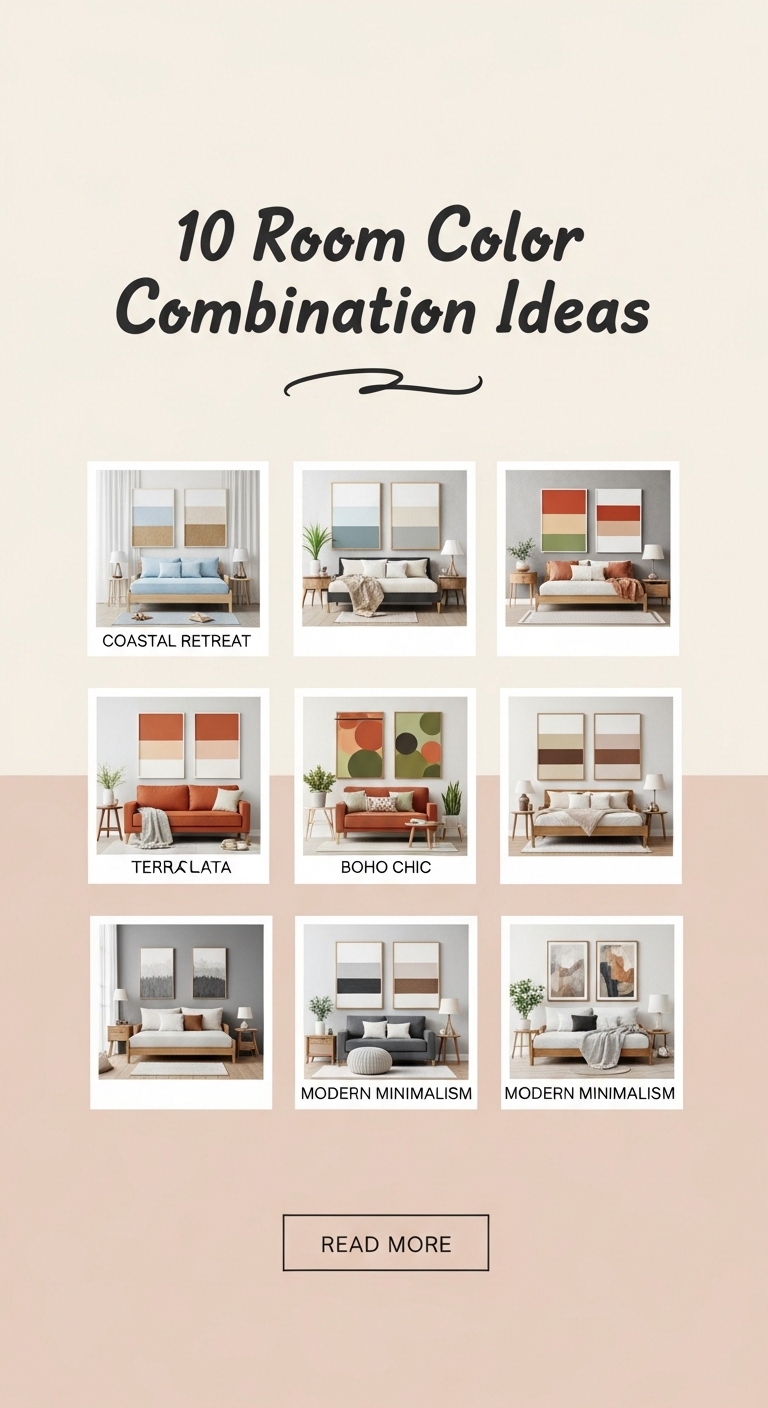
Choosing the right colors for a room can transform your space, set the mood, and reflect your personality. Color affects how we feel, influences productivity, and can make a room appear larger, cozier, or more vibrant. Whether you are decorating a bedroom, living room, or workspace, selecting the perfect color combination is essential to create a harmonious environment. Many homeowners struggle with pairing colors, often sticking to safe neutrals or overpowering bright tones that clash. The key is balance: combining shades that complement each other, create contrast when needed, and bring a sense of unity to your interiors. Before starting, it’s helpful to gather preparation materials like paint swatches, sample boards, and even mood boards. Testing colors on small areas of walls can save money and prevent mistakes. Additionally, consider lighting, furniture, and flooring, as these elements influence how colors appear in your space. In this article, we explore ten inspiring room color combination ideas that are versatile, timeless, and trendy. Each combination comes with practical tips and preparation guidance, helping you create a space that feels both stylish and comfortable.
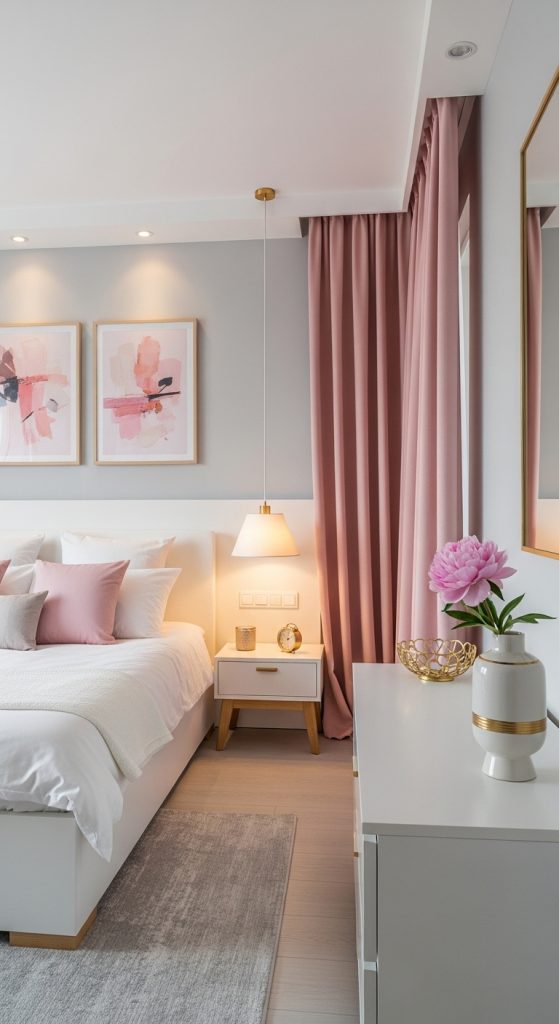
1. Soft Grey and Pastel Pink
Soft grey and pastel pink create a calm and elegant environment. Grey serves as a neutral base, while pastel pink adds warmth and a touch of softness. This combination is ideal for bedrooms or living rooms where relaxation is key. Start by painting the walls soft grey and use pastel pink in accents such as pillows, curtains, or artwork. Preparation materials include quality paint brushes, rollers, painter’s tape, and color samples to ensure the shades harmonize. Consider adding metallic accents, like gold or rose gold, to enhance sophistication. Grey helps neutralize the brightness of pink, preventing it from feeling overly sweet. Lighting also plays a crucial role; natural light makes this combination feel airy, while warm artificial lights add coziness. Furniture in white, beige, or light wood complements the palette seamlessly. This combination works well in both modern and classic decor styles. For a subtle approach, introduce pink through small accessories and maintain grey as the dominant wall color. With careful planning and preparation, soft grey and pastel pink can transform your room into a stylish and serene sanctuary.
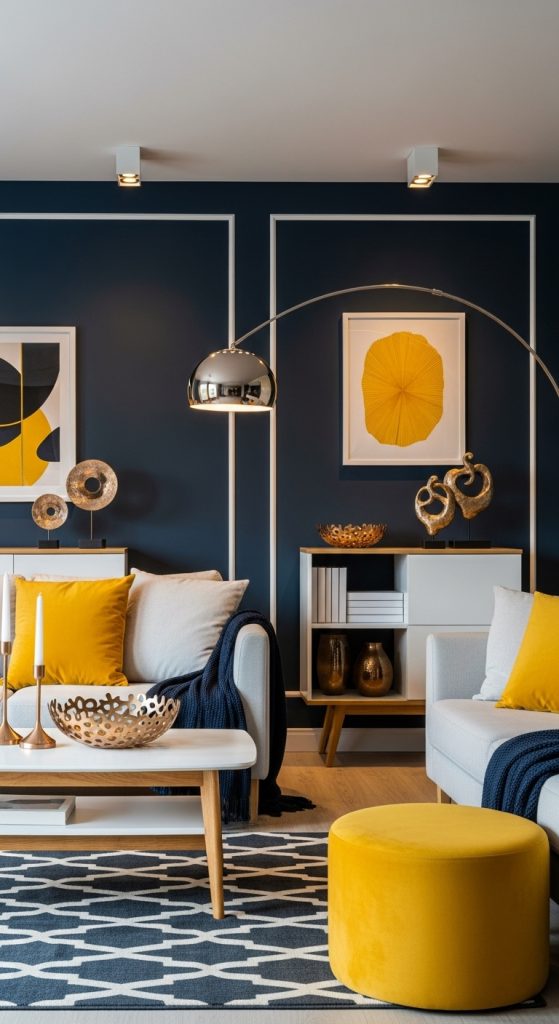
2. Navy Blue and Mustard Yellow
Navy blue and mustard yellow offer a bold yet balanced contrast. Navy provides depth and a sense of calm, while mustard yellow introduces vibrancy and energy. This pairing works well in living rooms, dining areas, or offices where you want to make a statement. Prepare by collecting paint swatches, testing color samples, and considering furniture and textile choices that match the tones. Walls in navy create a dramatic backdrop, while mustard accents in cushions, rugs, or lamps draw attention without overwhelming the space. Pairing these colors with neutral elements, like white or light wood, ensures the room feels balanced. Navy absorbs light, so well-placed lighting or reflective surfaces, such as mirrors, can prevent the room from feeling too dark. Mustard yellow brings warmth, energizing the space and providing a modern, retro vibe simultaneously. Accessories in metallic shades like bronze or brass enhance sophistication. This combination works well for those who want a stylish, contemporary look without being overly minimalist or too loud. With thoughtful planning, navy blue and mustard yellow can create a dynamic and inviting atmosphere.
3. White and Sage Green
White and sage green create a fresh and relaxing atmosphere. White brightens the room and makes it appear more spacious, while sage green adds a natural and soothing touch. This combination is perfect for bedrooms, kitchens, or living rooms that aim for a serene, nature-inspired vibe. Preparation involves choosing the right shades of sage, testing them against different light sources, and selecting complementary furniture and textiles. Use white as the dominant color for walls and larger furniture, while sage green works well in accent walls, chairs, curtains, or plants. Wooden elements in light or medium tones blend beautifully, enhancing the organic feel. This color combination supports a minimalist or Scandinavian decor style, emphasizing simplicity and tranquility. Soft textures in pillows, throws, and rugs create visual interest without overwhelming the palette. Lighting is key: ample natural light enhances the calming effect, while warm artificial lighting keeps the room cozy during evenings. White and sage green together produce a timeless look that never feels outdated. Careful preparation and thoughtful decor choices ensure the room remains balanced, airy, and welcoming.

4. Beige and Terracotta
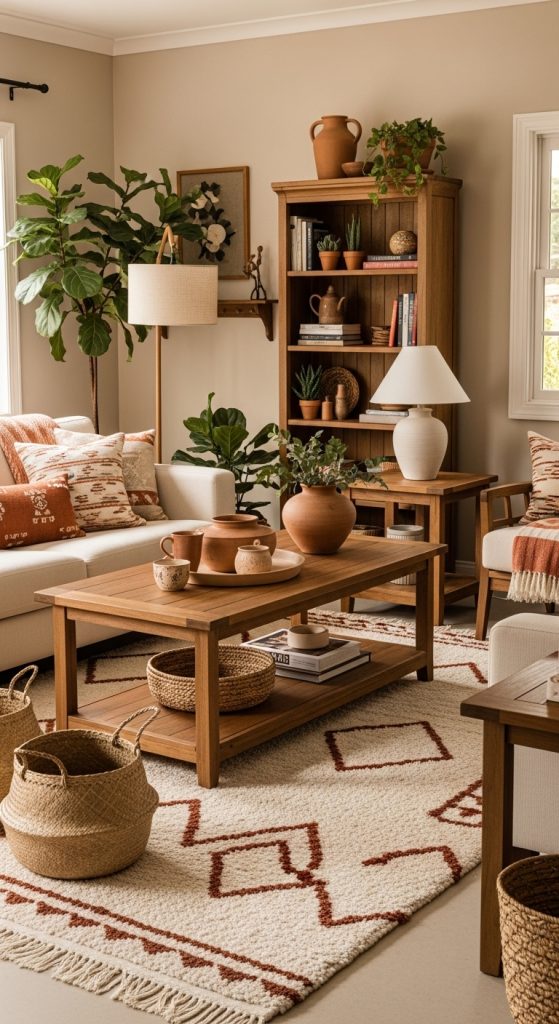
Beige and terracotta evoke warmth and earthiness, making spaces feel inviting and grounded. Beige acts as a neutral, soft backdrop, while terracotta introduces a rich, natural tone reminiscent of clay and stone. Ideal for living rooms, kitchens, or cozy reading nooks, this combination provides a rustic yet modern aesthetic. Preparation materials include paint samples, swatches for fabrics, and tools for accurate application. Paint walls beige for a subtle, adaptable base and incorporate terracotta in accent walls, cushions, pottery, or rugs. Wooden furniture in medium to dark tones enhances the earthy feel. This palette pairs beautifully with greenery, bringing an organic touch indoors. Lighting impacts the vibrancy of terracotta; natural sunlight enhances warmth, while soft artificial lighting maintains coziness. Accessories like woven baskets, linen fabrics, and ceramic vases complement the combination effortlessly. Beige and terracotta create a comfortable, timeless look that blends modern design with natural textures. Preparing in advance with color testing and material selection ensures harmony and prevents the room from feeling dull or overpowering. This combination works well for those who want a sophisticated, welcoming atmosphere.
5. Light Blue and White
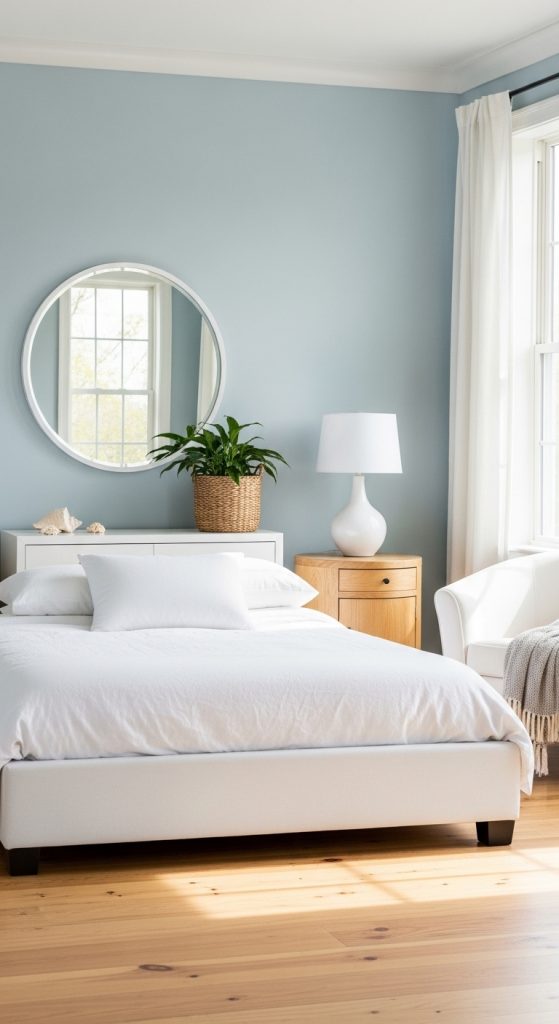
Light blue and white produce a crisp, clean, and calming environment. White enhances brightness and provides a neutral base, while light blue introduces a sense of tranquility and openness. This combination is excellent for bedrooms, bathrooms, or coastal-inspired living spaces. Preparation involves selecting the correct shades, testing paint under different lighting conditions, and choosing matching furniture and decor items. Walls in light blue create a soothing backdrop, while white can be applied to ceilings, trim, and furniture to maintain balance. Soft furnishings like curtains, cushions, and bedding in complementary tones complete the look. Pairing with natural materials, such as rattan or light wood, enhances the airy and relaxed feel. Proper lighting accentuates the peaceful vibe; natural daylight amplifies the colors, while warm artificial lighting adds comfort during evenings. This combination suits modern, Scandinavian, or coastal decor styles, emphasizing simplicity and serenity. With careful preparation and strategic placement of accents, light blue and white can transform a room into a refreshing, timeless sanctuary.
6. Charcoal Grey and Burnt Orange
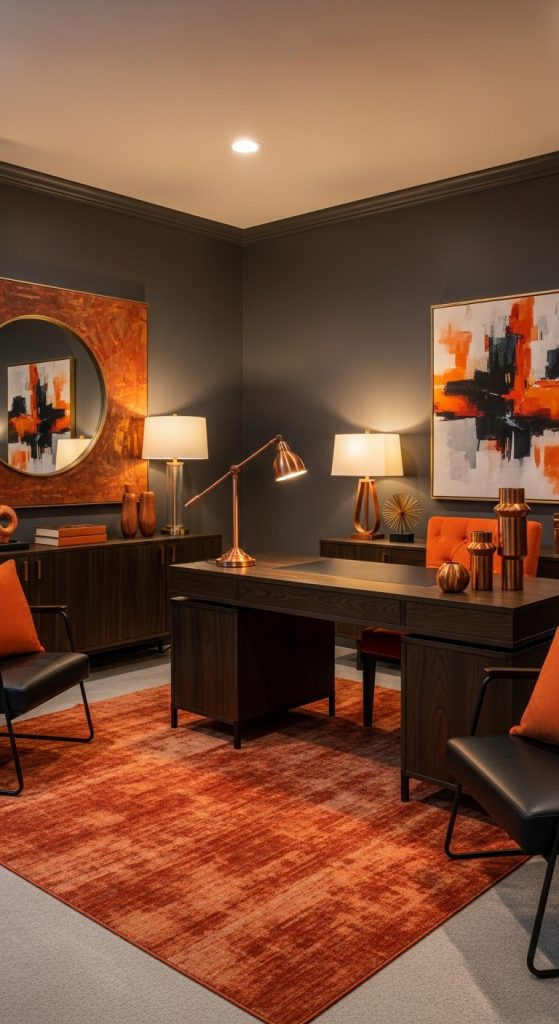
Charcoal grey and burnt orange create a dramatic yet cozy atmosphere. Charcoal serves as a sophisticated neutral base, while burnt orange introduces energy and warmth. Ideal for living rooms, home offices, or accent walls, this combination provides a contemporary, stylish look. Preparation includes paint samples, fabric swatches, and testing the colors together in different lighting conditions. Use charcoal grey for main walls or large furniture pieces and burnt orange for accents like cushions, rugs, or wall art. Wooden elements in dark or medium tones add richness and cohesion. Lighting is important: bright, natural light balances the intensity of charcoal, while warm artificial lighting enhances the burnt orange accents. Metallic accessories in copper or gold elevate the space further. This combination works well in modern, industrial, or eclectic interiors, creating a bold but comfortable environment. Thoughtful preparation ensures that the colors complement each other and prevent the room from appearing too dark or overwhelming. Charcoal grey and burnt orange together provide a contemporary, inviting, and visually stimulating space.
7. Soft Lavender and Cream
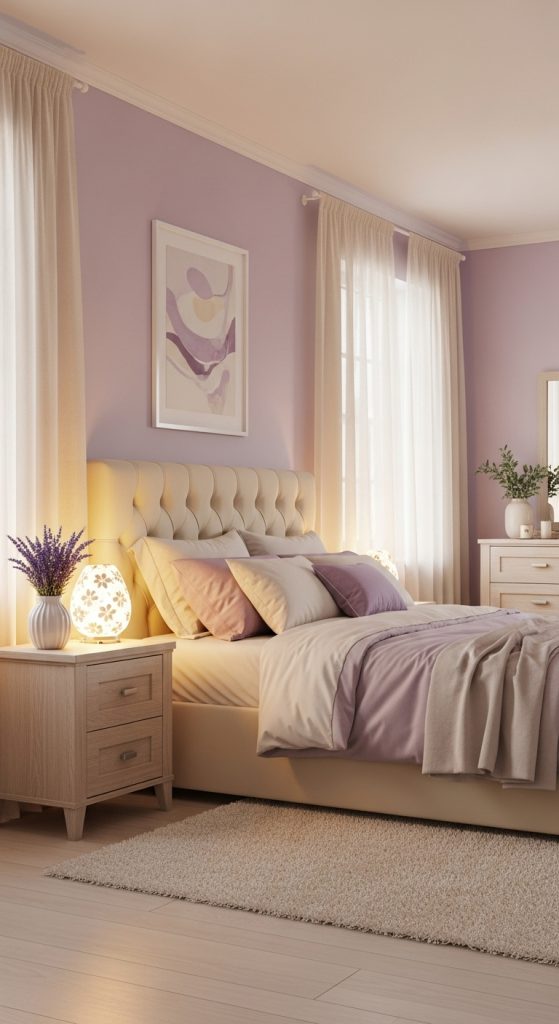
Soft lavender and cream offer a delicate and soothing palette. Lavender adds a subtle hint of color and calmness, while cream provides warmth and neutrality. This combination is perfect for bedrooms, nurseries, or relaxing corners in living spaces. Preparation involves testing lavender shades with cream tones under various lighting, as lighting can affect the perceived intensity of lavender. Paint the walls cream for a soft, inviting background and use lavender in furniture, drapes, cushions, or decorative accents. Light wooden furniture enhances warmth and complements the color scheme. Soft textures and fabrics improve comfort and aesthetic appeal. Natural light amplifies the airy and gentle feel, while soft artificial lighting maintains serenity at night. This combination suits both classic and modern interior styles, providing elegance without overpowering the space. Carefully preparing by testing samples and choosing complementary furniture ensures the palette creates a harmonious, relaxing atmosphere. Soft lavender and cream together offer timeless charm and calmness, ideal for those seeking gentle and cozy interiors.
8. Olive Green and Cream
Olive green and cream bring nature-inspired sophistication to a room. Olive green adds depth and richness, while cream keeps the space light and balanced. Suitable for living rooms, bedrooms, or dining areas, this combination feels warm, grounded, and versatile. Preparation involves selecting olive shades that harmonize with cream, testing under different lighting, and choosing suitable fabrics and furniture. Apply cream on walls to create a bright backdrop, and use olive green in accent walls, furniture, or décor pieces like cushions and curtains. Wooden textures in medium tones enhance the organic feel. Adequate lighting is crucial: natural light brightens the green tones, while soft artificial lighting maintains warmth. Accessories in bronze or muted gold add elegance. Olive green and cream suit classic, contemporary, or rustic decor styles, creating a welcoming yet stylish environment. With careful preparation and thoughtful furniture placement, this color combination provides a balanced, calming, and timeless room design.

9. Teal and Coral
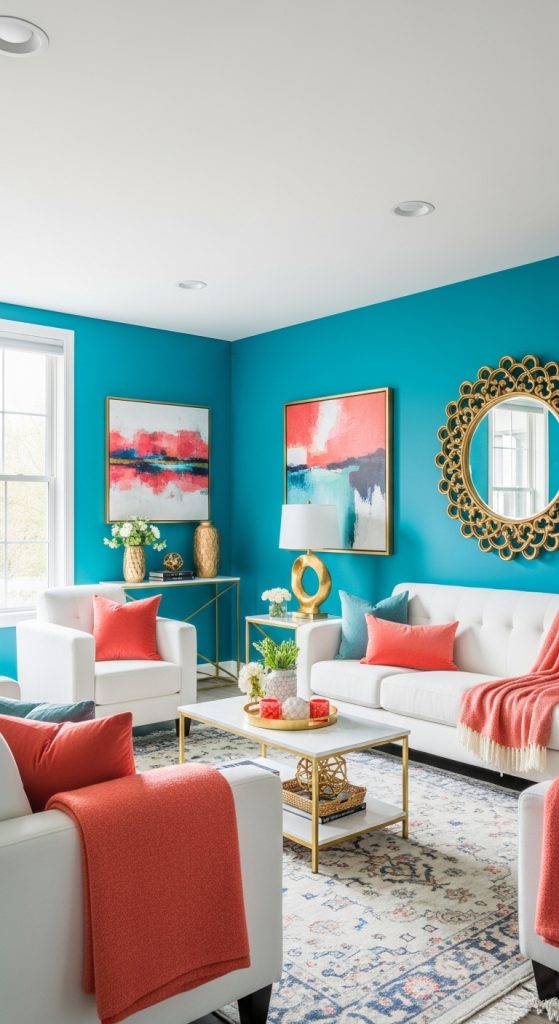
Teal and coral create a vibrant and energetic atmosphere. Teal adds depth and richness, while coral introduces warmth and liveliness. This combination works well in living rooms, dining areas, or creative workspaces. Preparation involves testing paint samples, selecting complementary furniture, and arranging accent pieces that unify the palette. Use teal on walls or large furniture to create a bold statement, while coral accents in cushions, rugs, or artwork provide contrast and visual interest. White or neutral elements balance the intensity of the colors, ensuring the room remains harmonious. Natural light brightens both shades, while warm artificial lighting enhances coral’s warmth. This combination is ideal for eclectic, contemporary, or coastal interior styles. Accessories in gold or brass can add sophistication, while soft textures create comfort. Proper preparation, including sample testing and layout planning, ensures that teal and coral complement each other without clashing. This combination produces a lively, stylish, and inviting room design that energizes and inspires.
10. Black and White with Accents
Black and white with accent colors provides a modern, timeless, and versatile design. The monochromatic base of black and white creates contrast and sophistication, while accents add personality and warmth. Ideal for living rooms, bedrooms, or offices, this combination allows flexibility in styling. Preparation includes testing paint shades, choosing accent colors, and arranging furniture to maintain balance. Paint walls white to keep the room bright and use black in furniture, trim, or feature walls for depth. Introduce accent colors like red, gold, teal, or mustard through cushions, rugs, or art. Lighting plays a key role: ample natural light balances black elements, while artificial lighting highlights accents. This palette suits modern, minimalist, and contemporary interiors. Accessories, textures, and patterns enhance interest without overwhelming the base colors. Careful planning and preparation ensure the accents complement rather than clash. Black and white with accent colors produces a stylish, dynamic, and versatile room, allowing endless personalization.
