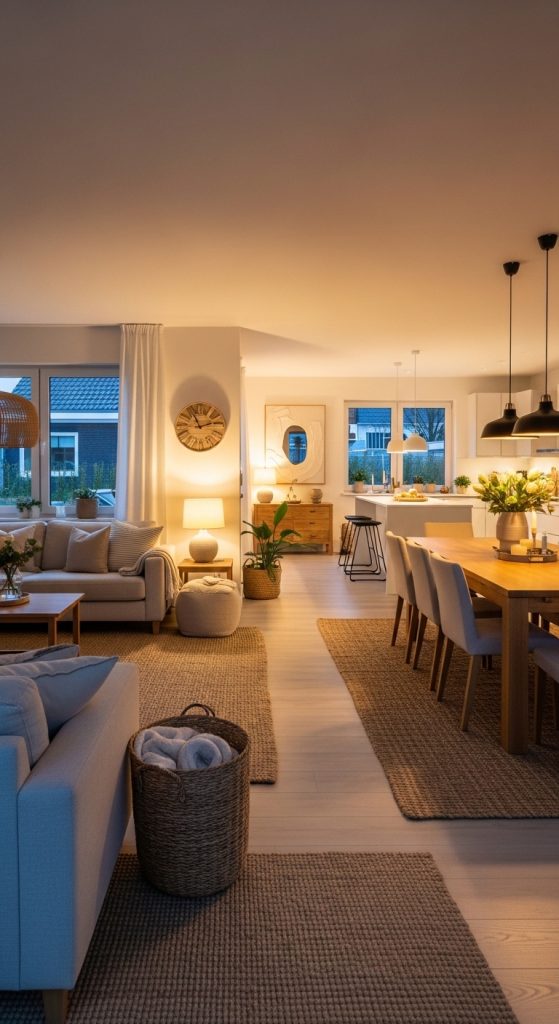
Modern warm interiors combine clean contemporary design with comfort, softness, and inviting textures. This style moves away from cold minimalism and brings warmth into modern homes through natural materials, layered lighting, earthy colors, and thoughtful details. A modern warm interior does not feel heavy or cluttered. Instead, it balances simplicity with comfort, creating spaces that feel calm, welcoming, and lived-in.
In recent years, many homeowners have shifted toward this style because it offers both beauty and practicality. Neutral tones are no longer flat or sterile. They are mixed with warm woods, soft fabrics, textured walls, and subtle decorative accents. The result is a home that feels peaceful and stylish at the same time. Whether you live in a small apartment or a large house, modern warm design can work in any space.
In this detailed guide, you will explore ten modern warm interior ideas. Each section explains preparation steps, materials to use, and practical tips to help you achieve the look successfully. The language is simple and clear so that anyone can follow these ideas and apply them in their own home.
1. Layered Neutral Color Palette with Warm Undertones
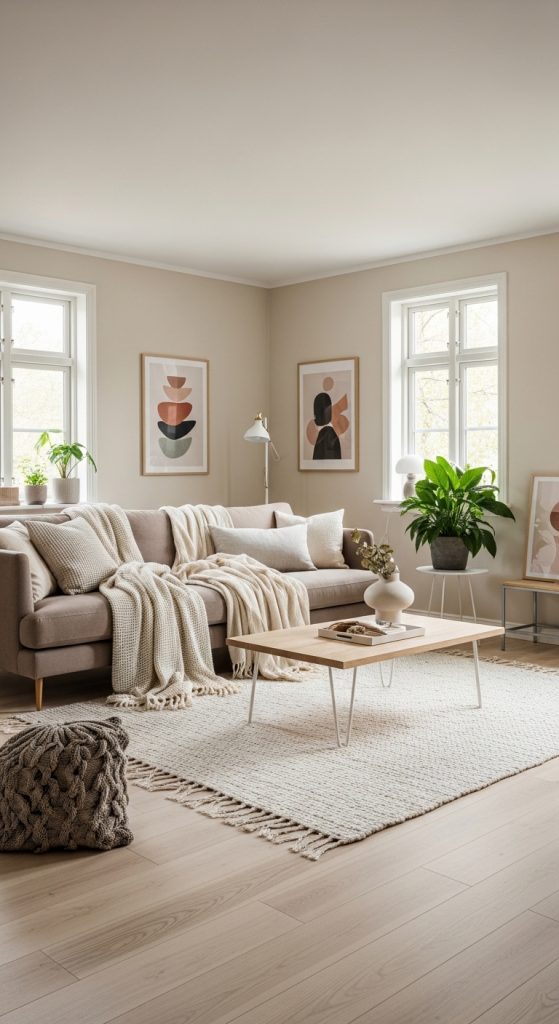
A modern warm interior starts with the right color palette. Instead of bright white or cool gray, choose warm neutrals such as cream, beige, taupe, sand, and soft brown. These colors create a calm base and make the space feel cozy.
Preparation begins with selecting your main wall color. Test paint samples on the wall and observe them in natural and artificial light. Look for shades with yellow or brown undertones rather than blue or gray undertones. After choosing the wall color, coordinate it with furniture and flooring.
Materials to use include matte finish wall paint, textured wallpaper, and natural fabrics like cotton and linen. Avoid glossy finishes because they reflect too much light and reduce warmth. Wooden furniture in oak or walnut tones pairs beautifully with warm neutral walls.
Add contrast by including darker elements like brown leather chairs or black metal frames. This keeps the space modern while maintaining warmth. The key is balance. Too many colors can feel messy, while too few can feel boring. Stick to three or four main shades and repeat them throughout the room for a cohesive look.
2. Natural Wood Elements for Organic Warmth
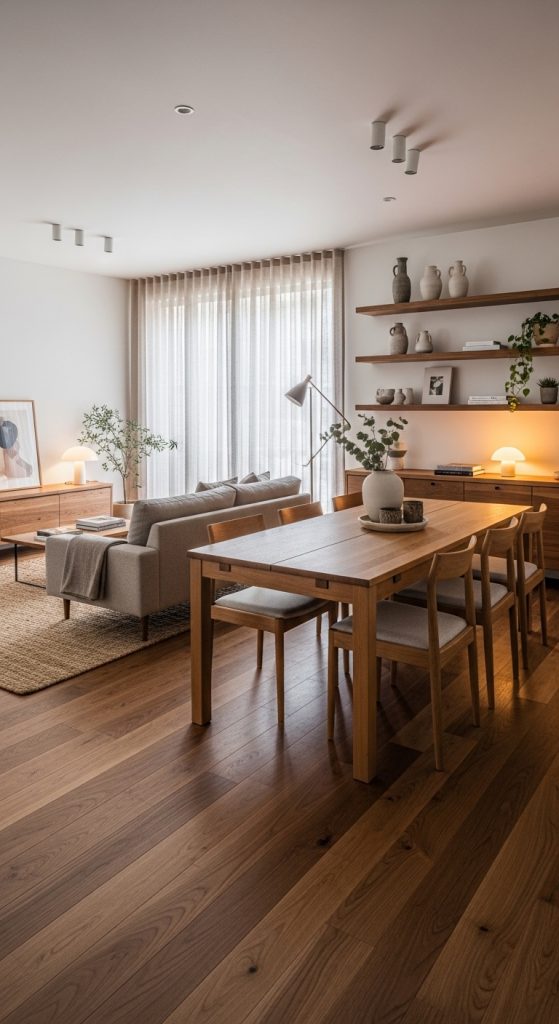
Wood is one of the most important materials in modern warm interiors. It brings natural texture, depth, and warmth to any room. You can use wood in flooring, furniture, wall panels, or decorative items.
Start by assessing your current space. If you have tiled floors, consider adding engineered wood flooring or large area rugs with wooden accents nearby. If replacing floors is not possible, introduce wood through furniture such as coffee tables, dining tables, or shelving units.
Choose warm wood tones like oak, walnut, teak, or ash. Avoid overly dark woods that can make the room feel heavy. Light to medium tones work best for modern warmth. For materials, look for solid wood, plywood with natural veneer, or reclaimed wood for a more organic feel.
Before installation, measure carefully and ensure surfaces are level and clean. Seal wood properly to protect it from moisture and scratches. You can combine wood with metal or glass to maintain a modern appearance. For example, a wooden table with black metal legs looks both contemporary and warm.
3. Soft Textures and Layered Fabrics
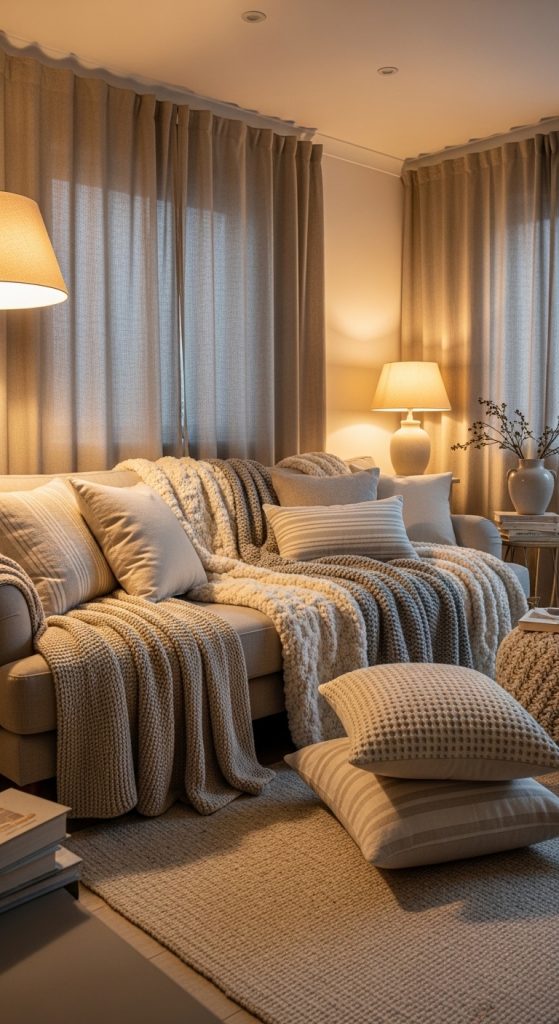
Texture plays a huge role in making modern interiors feel warm. Even if your color palette is neutral, layering fabrics can create depth and comfort.
Preparation involves selecting a base sofa or bed in a neutral tone. Then build layers using throws, cushions, rugs, and curtains. Choose materials such as linen, wool, cotton, velvet, and boucle. These fabrics add softness and visual interest.
Start with a large area rug. It anchors the space and provides comfort underfoot. For a modern warm look, choose rugs in beige, cream, or subtle patterns. Add cushions in different textures but similar colors. This keeps the space cohesive.
Curtains should be light and airy. Linen curtains in soft beige or off-white create warmth while allowing natural light to filter in. Avoid heavy, shiny fabrics that feel formal or outdated.
When arranging textiles, vary the sizes and shapes. Combine square and rectangular cushions. Mix smooth and textured fabrics. The goal is to make the space feel inviting and comfortable without looking cluttered.
4. Warm Lighting with Multiple Sources
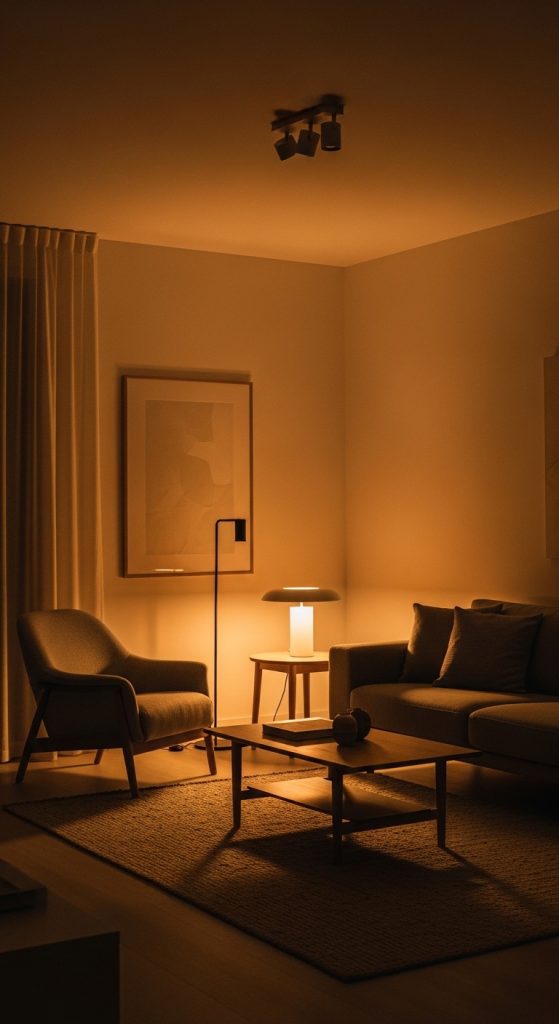
Lighting can completely change the mood of a room. Modern warm interiors rely on layered lighting rather than a single ceiling light.
Begin by evaluating your current lighting. Replace cool white bulbs with warm white bulbs, ideally around 2700K to 3000K. This temperature creates a soft and cozy glow.
Use three types of lighting: ambient, task, and accent. Ambient lighting includes ceiling fixtures or recessed lights. Task lighting includes table lamps, floor lamps, and desk lamps. Accent lighting highlights artwork, shelves, or architectural details.
Materials for light fixtures should include brass, matte black metal, ceramic, or fabric lampshades. Avoid overly shiny chrome finishes. Fabric lampshades soften the light and create warmth.
Install dimmer switches if possible. Dimmers allow you to adjust brightness depending on the time of day. In the evening, lower lighting levels create a calm atmosphere. Position lamps at different heights to create depth and eliminate harsh shadows.
5. Minimalist Furniture with Curved Shapes
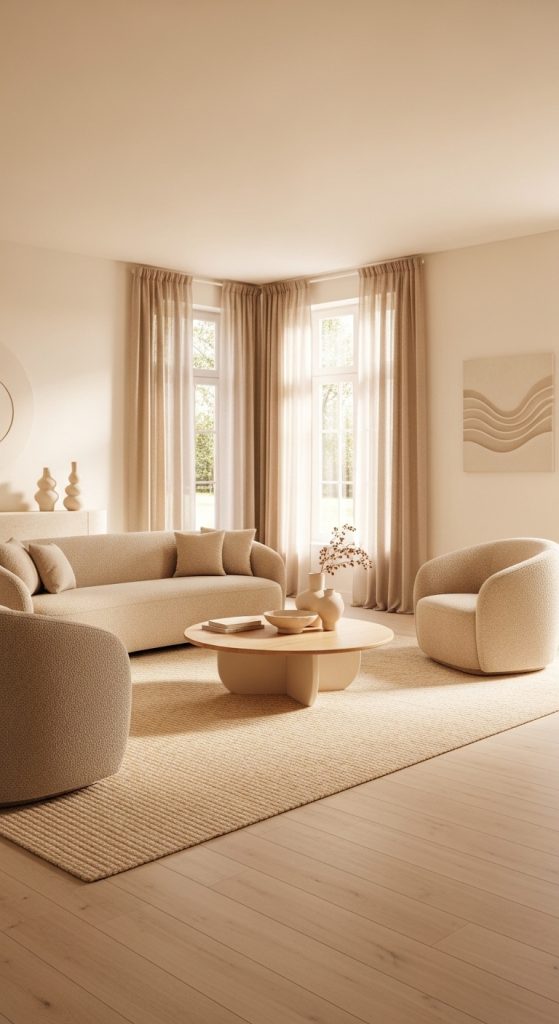
Modern design often includes clean lines, but adding curved shapes makes the space feel softer and more welcoming.
Before buying furniture, measure your space carefully. Create a layout plan to avoid overcrowding. Choose pieces with simple silhouettes but rounded edges. Sofas with curved arms, round coffee tables, and arched mirrors are excellent choices.
Materials such as wood, upholstered fabric, and light metal frames work well. Avoid overly sharp edges or bulky furniture. The goal is to keep the room open and airy.
Curved furniture helps break the rigidity of straight walls and rectangular layouts. A round dining table encourages conversation and makes the space feel intimate. An arched floor lamp adds architectural interest.
Keep furniture functional. Choose pieces with storage options if needed. Modern warm interiors value simplicity, so avoid excessive decorative carvings or heavy detailing.
6. Earthy Decorative Accents
Decor accessories bring personality to the space. In a modern warm interior, choose items inspired by nature and earthy tones.
Preparation includes decluttering your space. Remove unnecessary items before adding new decorations. This ensures the room does not feel crowded.
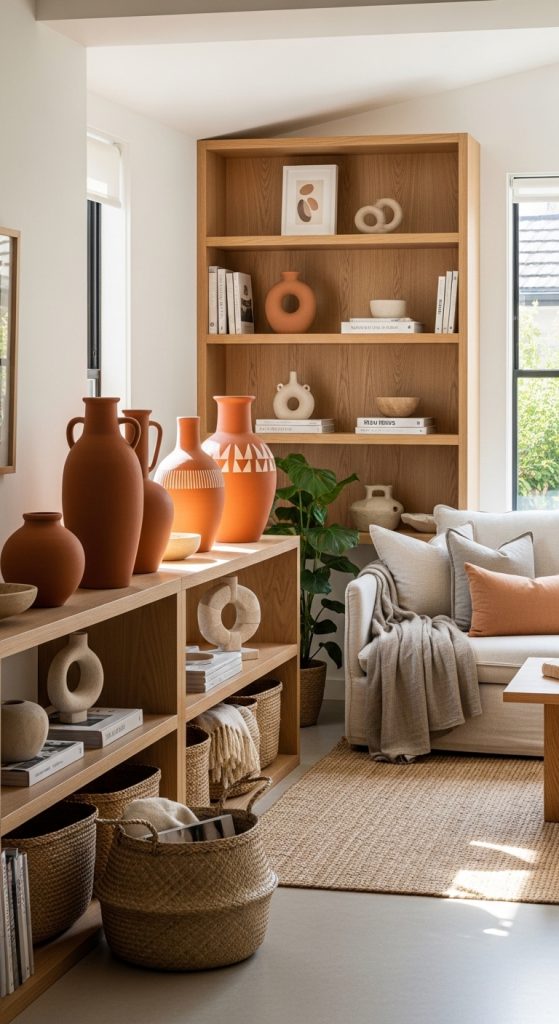
Materials to use include ceramic vases, clay pots, woven baskets, stone sculptures, and dried plants. Terracotta, sandstone, and warm-toned glass add subtle color and texture.
Arrange decor in small groups. Use the rule of three when placing objects on shelves or tables. Combine different heights and shapes for visual balance. For example, place a tall vase next to a small bowl and a medium-sized sculpture.
Avoid overly bright or artificial colors. Stick to warm neutrals, muted greens, rust tones, and soft browns. These shades connect the interior to nature and enhance the cozy feeling.
7. Statement Wall with Texture
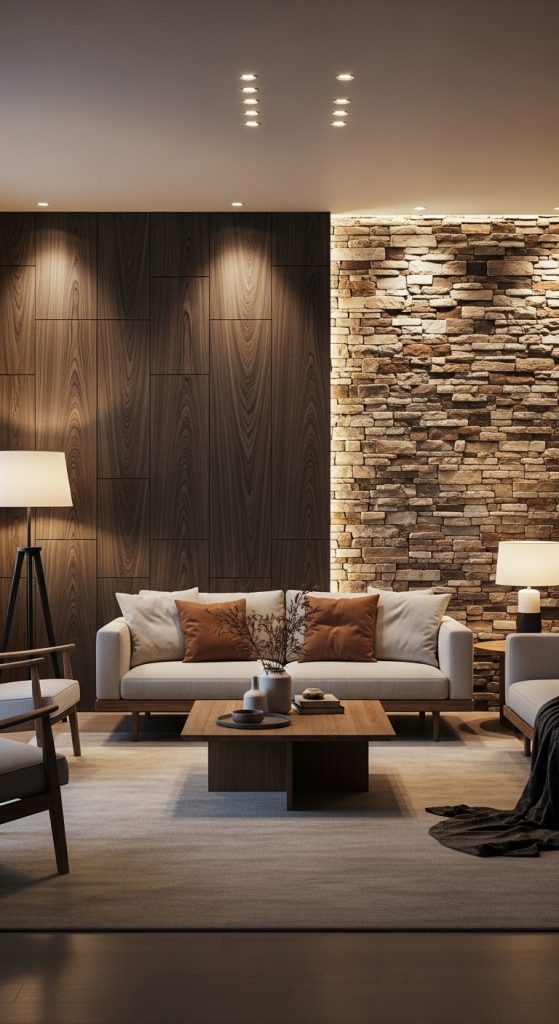
A statement wall adds character without overwhelming the space. Instead of bold paint colors, focus on texture.
Preparation includes selecting the right wall. Usually, it is the wall behind the bed, sofa, or dining table. Make sure the surface is smooth and clean before applying any material.
Options for textured walls include wooden panels, limewash paint, textured wallpaper, or stone cladding. Limewash paint is especially popular because it creates a soft, cloudy effect that adds depth.
When installing panels or wallpaper, measure carefully and align patterns properly. Choose neutral or earthy shades to maintain warmth.
A textured wall works best when the rest of the room remains simple. Do not overcrowd it with artwork. Let the texture speak for itself. This approach keeps the design modern while adding interest.
8. Indoor Plants for Natural Freshness
Plants bring life and freshness into modern warm interiors. They improve air quality and add natural color.
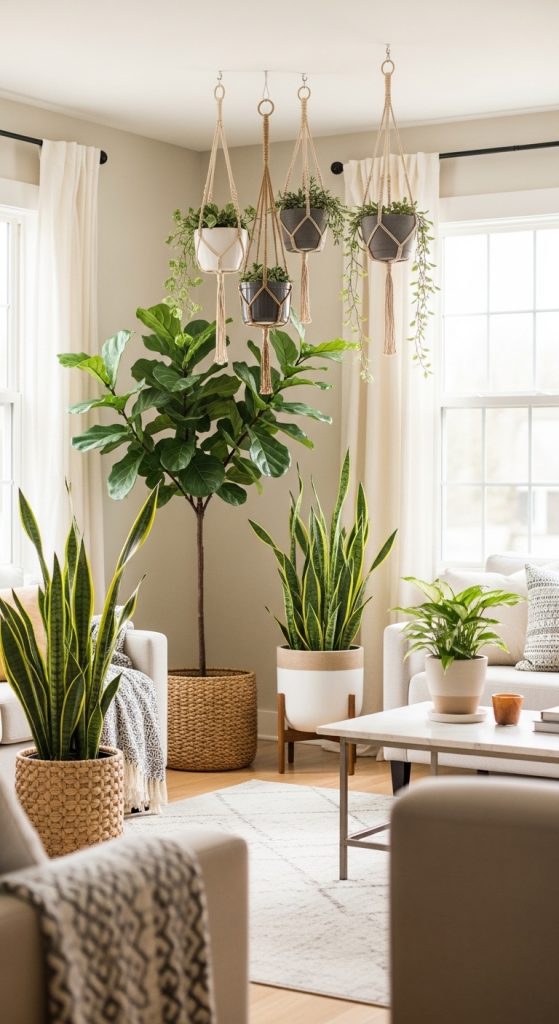
Preparation starts with choosing plants that suit your lighting conditions. For low light areas, consider snake plants or pothos. For brighter rooms, fiddle leaf figs or rubber plants work well.
Use natural planters made of clay, ceramic, or woven materials. Avoid plastic pots if possible. Neutral-colored planters blend seamlessly into the design.
Place plants at different heights. Use floor plants, table plants, and hanging plants. This creates layers and movement within the space.
Maintain plants regularly by watering appropriately and trimming dead leaves. Healthy plants enhance the beauty of your interior. Do not overcrowd the room with too many plants. Select a few statement pieces for a balanced look.
9. Cozy Fireplace or Warm Focal Point
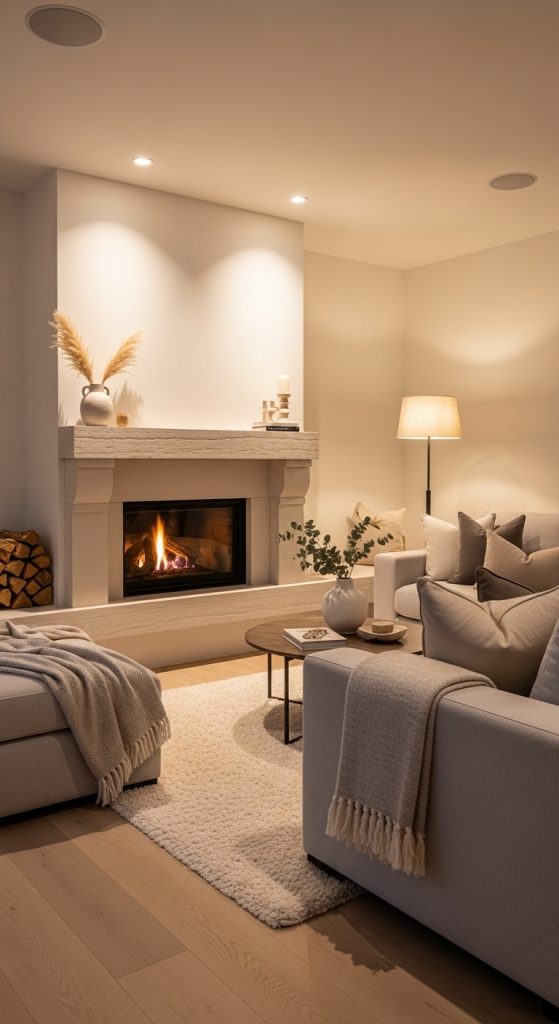
A fireplace naturally creates warmth and comfort. If you do not have a traditional fireplace, consider an electric or decorative version.
Preparation involves checking wall structure and electrical connections if installing an electric unit. Ensure safety measures are followed during installation.
Materials for surrounding the fireplace include stone, brick, wood, or plaster finishes. Choose warm tones rather than stark white marble. A wooden mantel adds charm and texture.
Decorate the mantel minimally. Add candles, a mirror, or simple artwork. Avoid excessive decorations that distract from the focal point.
If a fireplace is not possible, create a warm focal point with a large artwork, a textured wall panel, or a statement furniture piece. The goal is to draw attention to one central area and build the room around it.
10. Open Layout with Defined Zones
Modern warm interiors often feature open layouts. However, it is important to define zones to maintain comfort and organization.
Preparation includes planning furniture placement. Use rugs to separate living and dining areas. Arrange sofas to create natural boundaries without walls.
Materials such as wooden partitions, open shelving, or glass dividers can define spaces without blocking light. Choose light wood or metal frames for a modern look.
Keep pathways clear and avoid blocking natural light sources. An open layout should feel spacious but not empty. Add furniture and decor thoughtfully to fill the space without overcrowding.
Defined zones help create intimacy in large rooms. For example, a reading corner with a comfortable chair and lamp becomes a cozy retreat within a bigger area. This balance between openness and structure is essential for modern warm design.