

Polymer clay is a versatile and easy-to-use material that allows both beginners and experienced crafters to create beautiful handmade items. Unlike traditional clay, polymer clay does not require a pottery kiln and can be baked in a regular home oven to harden. It comes in a wide variety of colors and is soft enough to shape with your hands or simple tools. This makes it perfect for making small items like jewelry, miniatures, keychains, and decorative pieces.
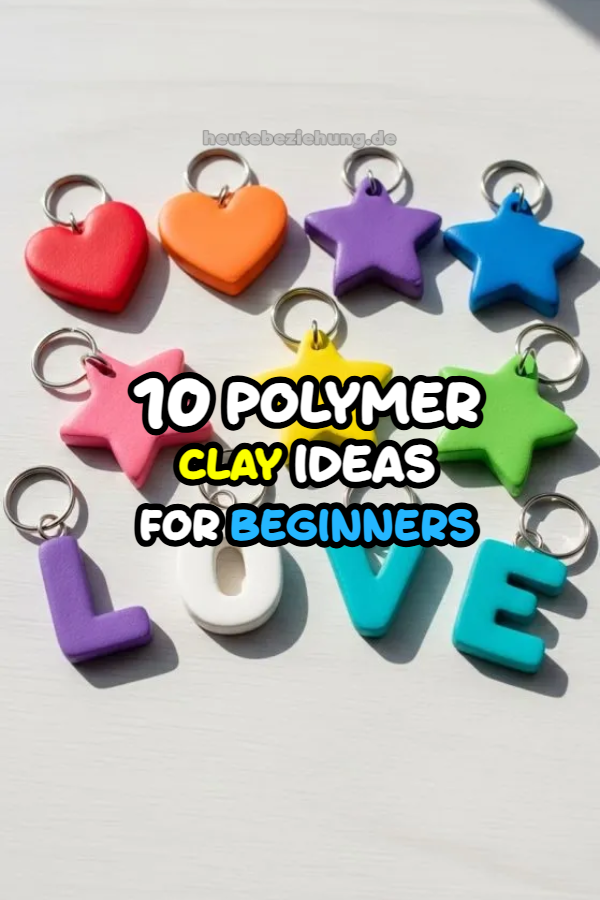
For beginners, polymer clay provides a fun way to explore creativity while developing fine motor skills and artistic techniques. You can experiment with mixing colors, textures, and patterns to achieve unique results. Before starting, it is important to gather the basic materials such as clay, a smooth work surface, cutting tools, and baking equipment. Understanding the basics of conditioning the clay, shaping it, and baking it safely will ensure your projects turn out well.
In this article, we will explore 10 simple polymer clay projects that beginners can try. Each idea includes preparation steps, tools needed, and tips for achieving the best results. These projects are not only fun but also offer practical items you can use or gift.
1. Simple Beads
Making polymer clay beads is a great starting project for beginners. Beads can be used for necklaces, bracelets, or keychains. You only need basic materials: polymer clay in your favorite colors, a small knife or blade, a toothpick for making holes, and an oven for baking.
Start by conditioning your clay, which means kneading it until it becomes soft and pliable. Roll the clay into small balls of equal size for uniform beads. You can experiment with mixing colors by blending two or more clay colors together to create marbled effects. Use a toothpick or a needle to poke a hole through the center of each bead carefully.
Place the beads on a baking sheet lined with parchment paper. Bake them according to the instructions on the clay packaging, usually at around 265°F to 275°F (130°C) for 15–20 minutes. Once baked and cooled, you can string your beads into jewelry or other decorative items. Beads are simple to make, and practicing them will help you gain confidence in handling polymer clay.

2. Miniature Fruits
Miniature fruits are a fun way to practice shaping and detailing skills. These tiny items can be turned into charms, magnets, or decorations. The materials needed include colored polymer clay, a blade, a toothpick, and optional liquid clay for shine.
To start, choose the fruit you want to make, such as strawberries, bananas, or oranges. Break the clay into small portions and condition each piece by kneading. Shape the clay into the basic fruit shape—round for berries, elongated for bananas, or slightly oval for apples. Use a toothpick or small tool to add details such as dimples, seeds, or lines on the fruit surface.
For added realism, you can gently blend colors using a small brush or your fingers. Bake the miniature fruits on a lined baking tray according to the clay manufacturer’s instructions. After cooling, you can attach small hooks to turn them into earrings or charms. Working on miniature fruits helps improve attention to detail and gives beginners practice with small-scale sculpting.

3. Simple Keychains
Polymer clay keychains are practical and easy to create, making them an ideal beginner project. You need clay, a keychain ring, a knife or blade, and a baking sheet. Optional tools include stamps or texture sheets for designs.
Start by conditioning the clay and forming it into a simple shape, such as a heart, star, or circle. You can also create letters to personalize your keychain. Use your fingers or small tools to smooth edges and add details. If you want, press a texture sheet or stamp onto the clay to create patterns.
Make a small hole at the top for the keychain ring. Bake according to the instructions provided with your clay, usually at around 265°F to 275°F (130°C) for 15–20 minutes. After cooling, attach the ring, and your keychain is ready to use or gift. Creating keychains is a rewarding beginner project because it combines creativity with functionality.

4. Cute Animal Figures
Creating small animal figures is a fun way to develop sculpting skills. You will need colored clay, a small knife or sculpting tools, a baking sheet, and optional tools for adding textures.
Start by choosing an animal to sculpt, such as a cat, dog, or bird. Break the clay into small portions and condition it until soft. Form the main body first, then add smaller parts like legs, ears, and tails. Attach the pieces by gently pressing them together.
Use tools or a toothpick to add facial details, fur texture, or other features. Bake the figure according to the clay instructions, usually at a low temperature to prevent burning. Once cooled, your cute animal can be used as a decoration, magnet, or pendant. This project helps beginners learn how to combine simple shapes to create a complete figure.

5. Simple Coasters
Polymer clay coasters are a useful and creative home accessory. You need clay in multiple colors, a rolling pin, a knife, and a flat baking surface. Optional tools include texture stamps for patterns.
Condition the clay and roll it out evenly to your desired thickness, usually around 1/4 inch. Cut the clay into simple shapes such as circles, squares, or hexagons. You can mix and layer different colors to create marbled or striped designs. Use stamps or a toothpick to add textures and details.
Place the coasters on a lined baking tray and bake according to the clay package instructions. Once cooled, your coasters are ready to use. This project allows beginners to practice rolling, cutting, and layering techniques while making something functional for everyday use.

6. Decorative Magnets
Polymer clay magnets are quick and fun to make. Materials required include clay, a small knife or sculpting tools, small magnets, and a baking sheet. Optional items include paint or liquid clay for finishing touches.
Start by shaping your clay into small designs such as flowers, letters, or food items. Flatten or shape the clay as needed, adding texture with tools or stamps. Bake your creations according to the manufacturer’s instructions.
After cooling, attach a small magnet to the back using glue or embedded clay before baking if possible. These magnets are great for decorating refrigerators or other magnetic surfaces. Creating magnets is perfect for beginners because the projects are small, forgiving, and versatile.

7. Jewelry Pendants
Making pendants is a beginner-friendly way to create wearable art. You need clay, a small knife, a toothpick, and jewelry findings such as chains or cords. Optional tools include texture sheets or molds.
Condition the clay and roll it out evenly. Cut it into your desired pendant shape, such as a circle, oval, or abstract design. Add textures, patterns, or small details to make it unique. Use a toothpick to make a hole at the top for attaching a chain.
Bake according to clay instructions and allow to cool completely. Attach the pendant to a chain or cord to create a necklace. This project introduces beginners to shaping, texturing, and functional design, making it an exciting first jewelry-making experience.

8. Miniature Food Charms
Miniature food charms are popular and creative for keychains, earrings, or dolls. Materials needed include colored clay, sculpting tools, a baking sheet, and optional liquid clay for shine.
Choose a type of food, such as pizza slices, cupcakes, or ice cream cones. Condition your clay and create the base shape first. Add small details like toppings or frosting using tiny clay pieces. Use a toothpick or tool for texture.
Bake the charms according to the instructions. Once cooled, you can attach them to jewelry findings or keychains. This project is excellent for beginners because it allows experimenting with tiny details and realistic color combinations while creating fun, functional items.

9. Personalized Name Tags
Polymer clay can be used to make customized name tags for gifts, bags, or desks. Materials include clay, a small knife, a rolling pin, and optional stamps or alphabet molds.
Roll out the clay to a uniform thickness. Cut it into rectangles, ovals, or other shapes. Use a toothpick, stamp, or mold to imprint letters for names or initials. Smooth the edges and add small decorative elements like dots or shapes.
Bake on a lined tray according to the clay instructions. Once cooled, your name tags can be attached to items with string or glue. Beginners benefit from this project as it teaches precision and creativity while producing personalized, functional results.

10. Simple Bowls and Dishes
Polymer clay can also be used to make small decorative bowls or dishes. You need clay, a rolling pin, a small knife, and a rounded mold like a small cup or bowl for shaping.
Condition and roll out the clay evenly. Place it over the mold and gently press it to fit the shape. Smooth the edges and add textures or designs on the surface. Bake according to instructions and allow it to cool completely before removing from the mold.
These small bowls are perfect for holding jewelry, keys, or small trinkets. For beginners, this project introduces basic shaping, molding, and finishing techniques that can be applied to larger or more complex projects in the future.
