
Short haircuts have become a popular choice for people who want a fresh, stylish, and low-maintenance look. Whether you are trying short hair for the first time or you already love shorter styles, the right haircut can completely transform your appearance. Short hairstyles are not only practical but also versatile. With the right cut, styling method, and care routine, short hair can look elegant, modern, and fashionable for many different occasions.
Another reason people choose short haircuts is the convenience they offer. Short hair usually requires less time to wash, dry, and style compared to longer hair. It is also easier to maintain during hot weather and active lifestyles. However, choosing the right short haircut requires careful consideration of your face shape, hair texture, and personal style. Some cuts work better for straight hair, while others look great with curly or wavy hair.
Before getting a haircut, it is important to prepare properly. Wash your hair, bring reference pictures, and discuss your expectations with your hairstylist. You should also know what styling tools and hair products will be needed after the cut. In this blog post, we will explore ten popular haircut ideas for short hair. Each style will include preparation tips, tools and products needed, and guidance on how to maintain the look.
1. The Classic Bob Haircut
The classic bob is one of the most timeless short haircuts. It usually falls between the chin and jawline, creating a neat and balanced appearance. This haircut works well for many face shapes, especially oval and heart-shaped faces. The classic bob can be worn straight, slightly wavy, or with soft curls, making it a flexible style for everyday wear.
Preparation before getting a bob haircut is important. Wash your hair the night before and avoid heavy oils or styling products. Clean hair allows the hairstylist to cut more accurately. It is also helpful to bring photos of the bob style you want because there are many variations.
The tools commonly used for this haircut include professional scissors, a fine-tooth comb, sectioning clips, and a blow dryer. After the haircut, a flat iron may be used to create a sleek finish. Hair products such as smoothing serum, light hair spray, and heat protectant help maintain the style.
Maintenance of the classic bob is fairly simple. Trimming every six to eight weeks keeps the edges sharp and clean. Daily styling may only require a quick blow dry and a small amount of serum. This haircut is ideal for people who want a polished and professional look with minimal effort.

2. The Pixie Cut
The pixie cut is a bold and modern short hairstyle that is cut very close to the head. It usually features shorter sides and back with slightly longer hair on top. This haircut highlights facial features and creates a confident and stylish appearance.
Before getting a pixie cut, it is important to be mentally prepared for a significant change in length. Discuss the exact style with your hairstylist because pixie cuts can vary from soft and feminine to edgy and dramatic. Washing your hair before the appointment and avoiding heavy styling products will help achieve a precise cut.
Hairstylists typically use scissors, thinning shears, clippers, and a razor to create texture in a pixie cut. A blow dryer and round brush may be used to shape the hair. Styling products such as lightweight wax, pomade, or texturizing spray help add definition and movement.
Maintaining a pixie cut requires regular trims, usually every four to six weeks. Because the hair is short, small growth changes the shape quickly. Styling is quick and simple. Many people only need a small amount of styling product and a few minutes with a blow dryer. This haircut is perfect for those who want a bold and low-maintenance look.
3. The Layered Short Cut
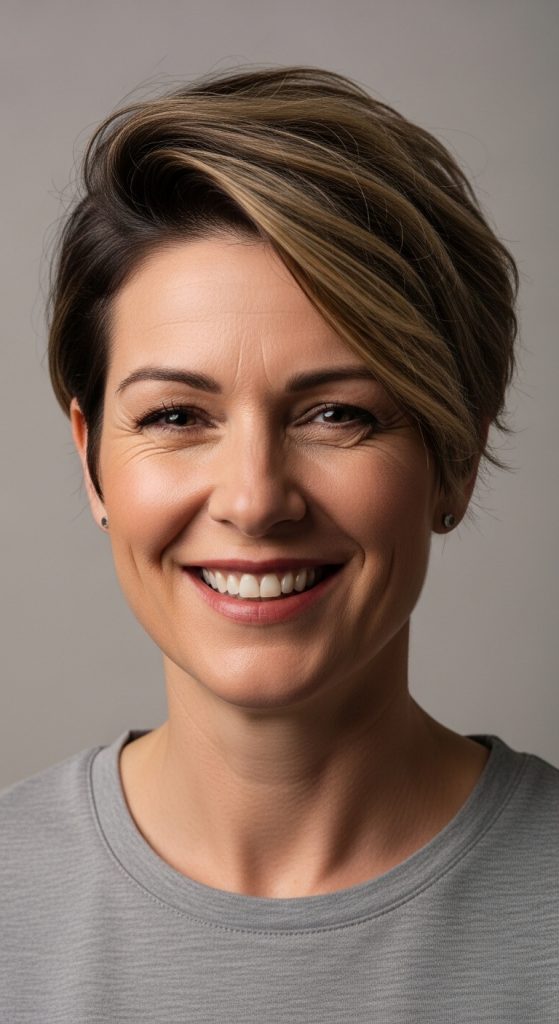
A layered short haircut adds depth and movement to the hair. Layers are created by cutting hair at different lengths, which helps reduce heaviness and adds volume. This haircut works especially well for thick hair because it removes extra weight while still keeping the style short.
Preparation for a layered haircut includes washing the hair and avoiding heavy conditioners that may make the hair slippery. It is also helpful to discuss how much layering you want. Some people prefer subtle layers while others like more dramatic texture.
The tools used for this haircut include sharp cutting scissors, thinning shears, sectioning clips, and a blow dryer. Stylists may also use a razor to soften the edges. For styling, a round brush, hair dryer, and light mousse can help create volume and shape.
Maintenance for layered short hair involves trimming every six to eight weeks to maintain the shape. Using lightweight styling products helps keep the layers defined without weighing them down. This haircut is great for people who want a natural, lively hairstyle that moves easily.

4. The Textured Crop
The textured crop is a modern short haircut that focuses on creating natural movement and uneven layers. It often features shorter sides with slightly longer hair on top that is styled with texture. This haircut has become very popular because it looks casual yet stylish.
Before getting a textured crop, wash your hair and bring reference photos to help the stylist understand the level of texture you want. This style works well for people with naturally wavy or thick hair, but it can also be adapted for straight hair.
The hairstylist usually uses scissors, a razor, and thinning shears to create the textured effect. Clippers may be used on the sides for a cleaner appearance. Styling tools include a blow dryer and fingers rather than brushes to maintain the natural texture.
Products such as texturizing cream, matte clay, or sea salt spray are often used to enhance the style. Maintenance involves trimming every five to seven weeks. Daily styling is simple and usually requires just a small amount of product worked through the hair. This haircut is ideal for people who prefer a relaxed and modern look.
5. The Asymmetrical Bob
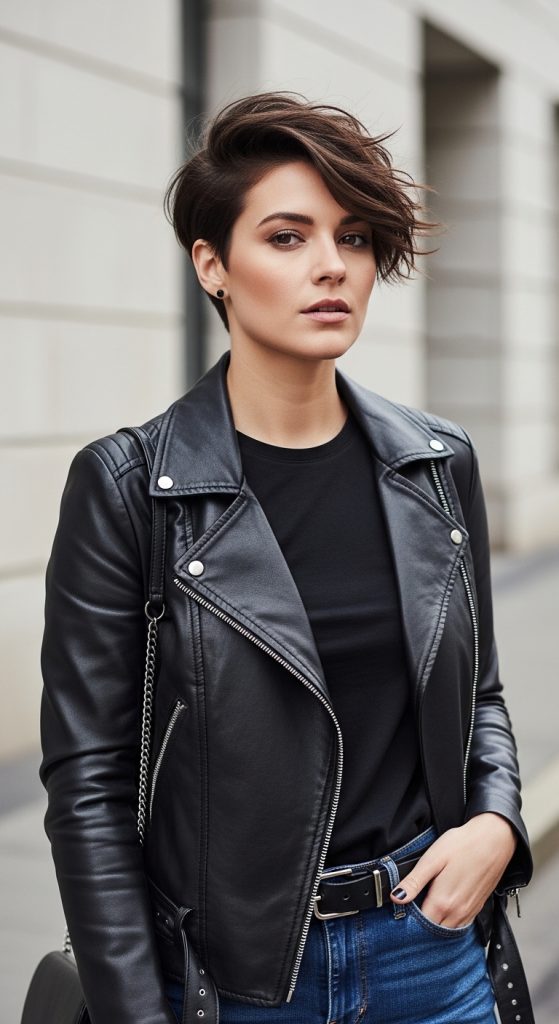
The asymmetrical bob is a stylish variation of the traditional bob haircut. In this style, one side of the hair is slightly longer than the other. This difference in length creates a dramatic and fashionable appearance that stands out.
Preparation for this haircut includes discussing the length difference with your hairstylist. Some people prefer a subtle asymmetry, while others want a more noticeable contrast. Clean, dry hair helps the stylist create accurate angles.
Tools used for this haircut include precision scissors, a comb, sectioning clips, and a flat iron for finishing. The stylist carefully measures and cuts each side to maintain balance while creating the asymmetrical effect.
Hair products such as smoothing cream, shine serum, and heat protectant help keep the style polished. Maintenance requires trims every six weeks to maintain the shape. Styling usually involves blow drying and straightening to highlight the sharp lines.
This haircut is ideal for individuals who want a unique and fashionable look while still maintaining a relatively short hairstyle.

6. The Short Shag
The short shag haircut is known for its messy layers and relaxed style. It includes many choppy layers throughout the hair, which creates volume and movement. This haircut works well for both straight and wavy hair textures.
Preparation for a short shag haircut includes discussing the desired level of layers and length with your stylist. Since this style focuses on texture, it is helpful to avoid heavy conditioners before the appointment.
Stylists use scissors, thinning shears, and razors to create the layered effect. A blow dryer with a diffuser may be used to enhance natural waves. Styling tools are usually minimal because the haircut itself provides most of the shape.
Products such as texturizing spray, mousse, and light wax help define the layers. Maintenance involves trimming every six to eight weeks. This haircut is perfect for people who prefer a slightly messy, effortless style that still looks fashionable.

7. The Undercut Short Hairstyle
The undercut is a bold short haircut where the sides or back are shaved or cut very short while the top remains longer. This contrast creates a strong and modern appearance.
Before choosing an undercut, it is important to consider how dramatic you want the contrast to be. Talking with your stylist about the length on top and the shaved sections will help achieve the best result.
Clippers are the main tool used for the undercut area, while scissors are used to shape the longer top section. A blow dryer and styling brush may be used to create volume on top.
Styling products such as pomade, gel, or styling cream help hold the longer hair in place. Maintenance requires regular trimming, usually every three to five weeks, because the shaved areas grow quickly.
The undercut is ideal for people who want a bold and edgy hairstyle that stands out from traditional short haircuts.

8. The Blunt Cut Short Hair
A blunt short haircut features straight, even ends without layers. This style creates a clean and strong appearance that looks very modern. It works best for straight or slightly wavy hair.
Preparation includes washing the hair and discussing the desired length with your stylist. Because blunt cuts depend on precise lines, the stylist needs to carefully measure and cut the hair evenly.
Tools used include sharp scissors, a fine comb, and sectioning clips. A flat iron is often used to create a smooth finish after the haircut.
Hair products such as smoothing serum and heat protectant are important for maintaining the sleek look. Regular trims every six weeks help keep the ends sharp and healthy.
This haircut is ideal for people who prefer a simple, polished hairstyle with a strong structure.

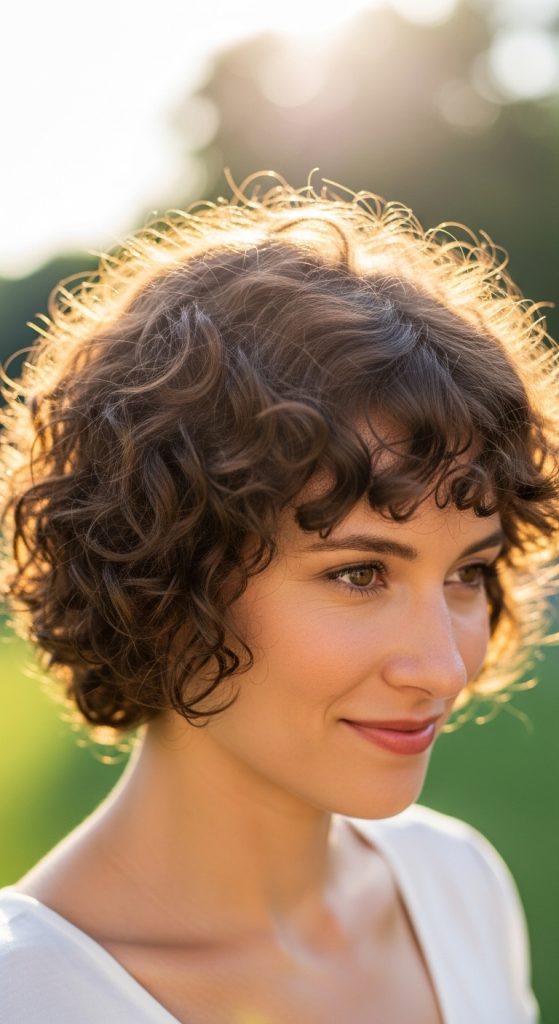
9. The Curly Short Cut
A curly short haircut is designed specifically for natural curls. The stylist shapes the hair in a way that enhances the curl pattern while preventing excessive volume.
Preparation involves arriving with clean hair and natural curls. It is important not to straighten the hair before the appointment because the stylist needs to see the natural curl pattern.
Tools used include scissors designed for curl cutting, sectioning clips, and a diffuser for drying. Curl creams and leave-in conditioners are often applied to define the curls.
Maintenance includes regular trims every six to eight weeks and using moisturizing hair products. Avoid excessive heat styling to protect the natural curl structure.
This haircut is perfect for individuals who want to embrace their natural curls while keeping their hair short and manageable.
10. The Tapered Short Haircut
The tapered short haircut gradually changes in length from the top of the head to the sides and back. The top remains slightly longer while the hair becomes shorter toward the neckline. This creates a smooth and neat transition.
Preparation includes discussing the taper level with the stylist. Some people prefer a subtle taper while others choose a more dramatic fade.
Clippers are used to create the tapered sides and back, while scissors shape the longer top section. A blow dryer and styling brush help create volume on top.
Styling products such as pomade, light gel, or styling cream help maintain the shape. Maintenance usually requires trimming every four to six weeks.
This haircut is ideal for people who want a clean and structured short hairstyle that still offers some styling flexibility.
