
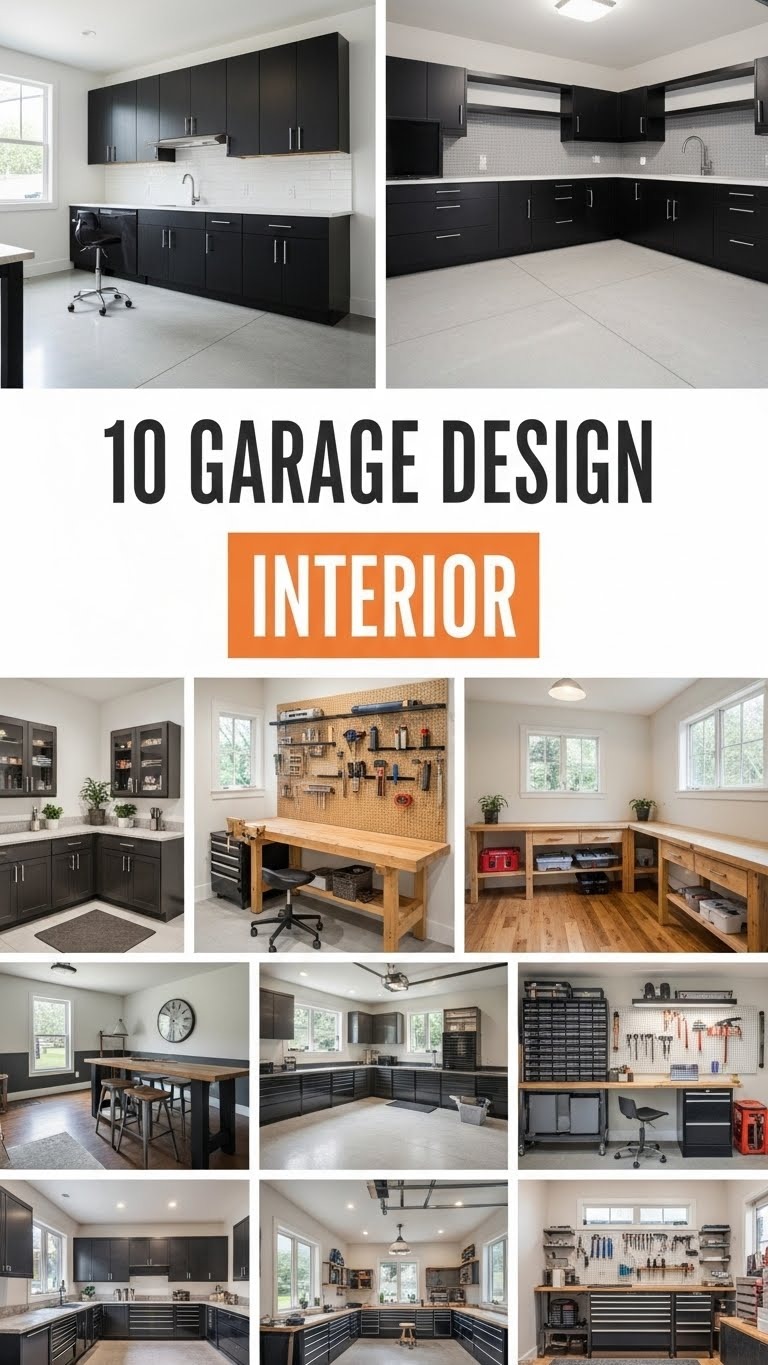
The garage is often overlooked in home design, yet it offers immense potential for functionality, organization, and style. A well-designed garage can be more than just a storage space for vehicles—it can serve as a workshop, gym, hobby area, or even an extension of the home. Modern garage interiors prioritize cleanliness, accessibility, and efficiency while also considering aesthetics. Preparing a garage for design involves careful planning, including decluttering, measuring available space, selecting durable materials, and creating zones for specific purposes. High-quality storage solutions, durable flooring, proper lighting, and functional furniture are essential elements. This blog explores ten garage interior design ideas, detailing the materials, preparation steps, and practical tips needed to transform a garage into a highly organized, visually appealing, and multi-functional space.
1. Epoxy Flooring for Durability and Style
Epoxy flooring is one of the most practical and visually appealing upgrades for a garage. Its durability and resistance to stains, chemicals, and impact make it ideal for garages that see heavy use. Preparation involves thoroughly cleaning the existing concrete floor, repairing cracks, and ensuring a smooth surface. Epoxy coatings are available in various colors and finishes, including metallic, matte, and high-gloss options, allowing you to match the floor with your garage’s overall aesthetic. Beyond appearance, epoxy creates a seamless surface that simplifies maintenance and cleaning. Additionally, it can enhance lighting by reflecting available light, making the garage brighter and safer. By choosing slip-resistant formulations, you ensure safety without compromising style. This upgrade is an excellent investment for both utility and long-term visual appeal, turning a standard garage floor into a statement feature.

2. Wall Storage Systems for Maximum Organization
Wall storage systems optimize garage space by keeping tools, equipment, and seasonal items off the floor. Pegboards, slat walls, and modular shelving units are highly effective solutions. Preparation requires clearing the walls and measuring space to accommodate storage without blocking access or functionality. High-quality materials such as powder-coated metal, heavy-duty plastic, or treated wood ensure durability. Tools and accessories can be organized with hooks, bins, and shelves, creating a dedicated space for each item. A well-planned wall storage system not only reduces clutter but also increases workflow efficiency, especially for DIY enthusiasts and hobbyists. Labeling bins and organizing items by category enhances accessibility. Additionally, vertical storage maximizes usable square footage, leaving floor space free for vehicles or workstations. This approach combines practicality with an organized visual aesthetic, transforming the garage into a highly functional and orderly environment.

3. Overhead Storage Racks for Seasonal Items
Overhead storage racks are an excellent way to store items that are used infrequently, such as holiday decorations, camping gear, or sports equipment. Installation requires precise measurement of ceiling height and available space, ensuring the racks are securely anchored to ceiling joists. Materials should be sturdy, such as powder-coated steel or reinforced aluminum, capable of holding heavy loads. Items can be stored in labeled containers or crates for easy identification. Overhead racks free up floor and wall space, contributing to a more open and organized garage layout. Safety is paramount, so it is important to avoid overloading and to provide secure access using ladders or step stools. Overhead storage is particularly valuable for small garages where floor space is limited. By maximizing vertical space, these racks enhance overall garage functionality and create a cleaner, visually appealing interior that combines utility with thoughtful organization.

4. Functional Workbench and Tool Area
A dedicated workbench and tool area transform a garage into a productive workspace for DIY projects, repairs, and hobbies. Preparation includes selecting an appropriate location, ensuring adequate lighting, and installing electrical outlets for power tools. Workbenches should be made of durable materials such as solid wood, steel, or laminate surfaces to withstand wear and heavy usage. Tool organization is critical; use drawers, pegboards, or tool chests to store tools efficiently. Incorporating a vice, clamps, or other essential fixtures enhances functionality. The design should allow for movement around the workbench while maintaining accessibility to frequently used tools. Adding a comfortable stool or mat improves ergonomics for long projects. A well-planned workbench area not only increases productivity but also promotes safety and minimizes clutter. This approach emphasizes practicality and efficiency, turning a garage into a versatile, professional-grade workspace while maintaining a clean and organized appearance.

5. Climate Control and Insulation for Comfort
Proper climate control and insulation significantly improve garage usability throughout the year. Preparation involves assessing wall, ceiling, and door insulation, as well as identifying areas prone to drafts. Materials may include foam boards, spray foam, fiberglass batts, or insulated garage doors. Heating and cooling options such as portable heaters, radiant floor heating, or ductless air conditioning systems can make the garage comfortable in any season. Climate control protects stored items, prevents moisture damage, and ensures a safe environment for work or recreation. Insulation also contributes to energy efficiency by maintaining temperature consistency. Ventilation is equally important, reducing humidity, odors, and potential fumes from chemicals or vehicles. Implementing climate control and insulation creates a garage that is not only functional but also a pleasant space to spend time in, whether for hobbies, workouts, or extended projects. This investment enhances both comfort and the longevity of the garage interior.

6. Stylish and Practical Cabinetry
Garage cabinetry provides concealed storage for tools, cleaning supplies, and other items, keeping the space tidy and visually appealing. Preparation involves measuring the wall space and selecting durable, impact-resistant materials such as powder-coated steel, plywood with laminate finish, or MDF. Modular cabinets offer flexibility for customizing layouts according to specific needs. Matte or neutral finishes are ideal for a modern aesthetic and are easy to clean. Lockable cabinets provide additional security for valuable tools or chemicals. Properly designed cabinets allow you to categorize items, minimizing clutter and improving workflow. Combining wall-mounted cabinets with floor-standing units maximizes storage while keeping frequently used items within reach. This approach ensures a cohesive, organized interior that balances practicality and style. Well-designed cabinetry elevates the overall look of the garage, giving it a polished, professional-grade finish suitable for both storage and workspace purposes.

7. Multipurpose Garage Flooring Options
Besides epoxy, alternative flooring options can enhance both functionality and visual appeal. Interlocking PVC tiles, rubber mats, or durable vinyl are excellent choices for garages used as workout areas, workshops, or play zones. Preparation includes leveling and cleaning the existing floor surface. Rubber or PVC tiles provide shock absorption, making them ideal for gym equipment or standing work. Vinyl and tiles can offer water resistance, easy cleaning, and aesthetic variety with patterns or color accents. Flooring should be slip-resistant to ensure safety. Multipurpose flooring solutions allow the garage to serve multiple functions without compromising durability or style. Layering mats or tiles in specific zones can define areas for tools, exercise, or parking. A thoughtfully chosen floor supports long-term use and enhances the overall interior, providing a versatile foundation for an organized, functional, and attractive garage.

8. Lighting and Electrical Upgrades
Effective lighting transforms the garage from a dark, utilitarian space to a bright, functional area. Preparation includes assessing current lighting, identifying work zones, and planning wiring for additional outlets or fixtures. High-quality LED lighting is energy-efficient and provides bright, uniform illumination. Ceiling-mounted lights, task lighting above workbenches, and under-cabinet lights create layered illumination for different functions. Motion sensor lights or automated switches add convenience and safety. Proper electrical outlets enable safe use of power tools, chargers, or other equipment. For workshops, consider adding specialized outlets or circuits for heavy machinery. Upgraded lighting and electrical systems not only improve visibility and usability but also contribute to a professional, organized appearance. Thoughtful placement enhances productivity, reduces eye strain, and supports a safer environment for both vehicles and projects.

9. Garage Gym or Hobby Area Integration
Modern garage design often incorporates zones for fitness or hobbies, allowing the space to serve multiple purposes. Preparation requires clearing floor space, assessing ceiling height, and ensuring ventilation and lighting are adequate. Flooring should provide impact resistance, grip, and durability, such as rubber mats or interlocking tiles. Fitness equipment or hobby workstations should be arranged to maximize movement while maintaining accessibility. Storage solutions such as wall racks, shelving, or cabinets can organize equipment when not in use. Designating a clear zone prevents clutter and ensures safety during physical activities. Integrating a garage gym or hobby area enhances functionality without compromising the overall storage and organizational layout. Proper planning balances utility, safety, and aesthetics, transforming the garage into a multi-purpose extension of the home that supports health, productivity, and leisure activities.

10. Personalized Decor and Aesthetic Enhancements
Personalizing the garage interior makes the space more inviting and reflective of individual tastes. Preparation includes planning wall decor, finishes, color schemes, and lighting accents that complement functional elements. Adding framed posters, signage, tool shadow boards, or paint accents can create a cohesive visual theme. Durable wall coatings, magnetic panels, or bulletin boards combine aesthetics with utility. Selecting a consistent color palette that matches cabinetry, flooring, and storage systems enhances harmony. Small touches like coordinated bins, hooks, or labeled containers create both visual and functional order. Even a garage intended primarily for work or storage can benefit from thoughtful design elements that elevate the interior. Personalized decor contributes to a sense of pride, encourages maintenance of the space, and creates an environment that is both functional and aesthetically pleasing.
