

The 1980s were bold, expressive, and full of personality. Interior design during this decade was not afraid of color, texture, and statement pieces. An 80s inspired apartment is about confidence, creativity, and visual impact. Unlike minimal modern styles, the 80s embraced contrast, shine, curves, and dramatic details. Today, many homeowners and renters are rediscovering this era and adapting it to modern living spaces. An 80s apartment does not mean copying the past exactly. It means taking inspiration from its energy and mixing it with comfort and function.

Before starting, preparation is important. Begin by studying classic 80s interiors through magazines, movies, and music videos of that era. Measure your apartment carefully and decide which rooms will carry the strongest 80s influence. Choose a color palette early, as color plays a major role in this style. Materials such as glass, chrome, lacquered wood, plastic, and leather were common in the 80s. Budget planning is also essential because statement furniture and lighting often become focal points.
This guide will walk you through ten key ideas to create an authentic yet livable 80s inspired apartment. Each section explains design concepts, materials, preparation steps, and practical tips to help you transform your space with confidence.
1 Bold Color Blocking Walls
Color blocking is one of the most recognizable features of 80s interiors. Apartments during this time often used strong, contrasting colors on walls to create energy and personality. Think teal with pink, purple with yellow, or black with red. The goal is not subtle blending but confident contrast.
Preparation starts with choosing two or three bold colors that work well together. Test paint samples on your walls and observe them in different lighting conditions. Clean and repair wall surfaces before painting to ensure a smooth finish. Use painter tape to create clean lines between colors.
Materials required include high quality wall paint, rollers, brushes, primer, and masking tape. Satin or semi gloss finishes were popular in the 80s because they reflect light and enhance color intensity.
To keep the space balanced, apply bold colors on feature walls while keeping remaining walls neutral. This prevents visual overload. In small apartments, vertical color blocking can make ceilings feel higher. Color blocking instantly sets the tone for an 80s inspired apartment and provides a vibrant backdrop for furniture and decor.

2 Statement Furniture with Strong Shapes
Furniture in the 80s was bold, oversized, and sculptural. Sofas had strong silhouettes, chairs featured curves or sharp angles, and coffee tables often became conversation pieces. This style values form as much as function.
Start by identifying one or two statement furniture pieces for each room. A curved sofa, a glass top table with metal legs, or a colorful accent chair works well. Measure your space carefully to avoid overcrowding. The 80s look works best when statement pieces have room to stand out.
Materials commonly used include leather, vinyl, chrome, glass, and lacquered wood. Upholstery in bright colors or geometric patterns adds authenticity. When buying vintage furniture, check stability and comfort. For modern replicas, focus on shape rather than decoration.
Balance is important. Pair bold furniture with simpler supporting pieces. This allows statement items to shine without making the room chaotic. Statement furniture gives your apartment an unmistakable 80s character and anchors the overall design.

3 Geometric Patterns in Decor and Textiles
Geometric patterns defined 80s interiors. From rugs to curtains and cushions, shapes like triangles, zigzags, circles, and grids were everywhere. These patterns added movement and visual interest to apartments.
Preparation involves choosing a consistent pattern style and color palette. Avoid mixing too many different patterns in one room. Select one main pattern and support it with smaller accents.
Materials include printed fabrics, woven rugs, wallpaper, and decorative pillows. Cotton and synthetic blends were popular in the 80s due to durability and color retention.
Use geometric rugs to define seating areas, especially in open plan apartments. Curtains with bold patterns can frame windows and add drama. Cushions are an easy and affordable way to introduce patterns without permanent changes.
To avoid overwhelming the space, keep furniture shapes simple when using strong patterns. Geometric designs bring rhythm and authenticity to an 80s inspired apartment and work well in both small and large spaces.

4 Glossy and Reflective Surfaces
Shine was a major design element in the 80s. Glossy surfaces reflected light and added a sense of luxury and futurism. High gloss finishes were used on furniture, walls, and decor items.
Preparation includes identifying surfaces that can safely handle glossy finishes. Cabinets, tables, and accent walls are good options. Proper sanding and priming are essential for smooth results.
Materials include high gloss paint, lacquer finishes, glass, mirrors, and chrome accessories. Glass tables and mirrored panels were especially popular during the 80s.
Use glossy surfaces strategically. A high gloss coffee table or mirrored wall panel can brighten a room and make it feel larger. In small apartments, reflective surfaces help bounce light and create openness.
Avoid using gloss everywhere. Balance it with matte textures like fabric and wood to keep the space comfortable. Glossy elements capture the glamorous spirit of the 80s and elevate the overall design.
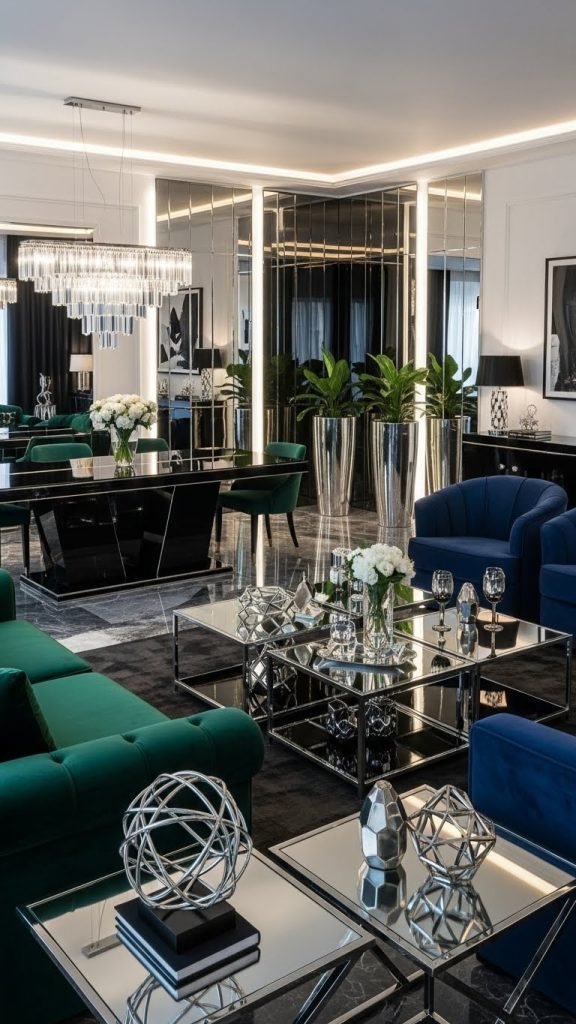
5 Dramatic Lighting Design
Lighting in the 80s was bold and expressive. It was not just functional but decorative. Neon lights, sculptural lamps, and layered lighting were commonly used to create mood.
Preparation starts with understanding your apartment lighting needs. Identify areas for ambient, task, and accent lighting. Plan electrical points before purchasing fixtures.
Materials include floor lamps, table lamps, pendant lights, neon signs, and LED strips. Metal, glass, and plastic were common materials for light fixtures.
Use floor lamps with curved or angular designs to make a statement. Neon signs can add playful energy to living rooms or bedrooms. Layer lighting to create depth and flexibility.
Warm lighting works best to balance bold colors and glossy surfaces. Proper lighting enhances the drama of an 80s inspired apartment while keeping it functional and inviting.

6 Retro Art and Wall Decor
Wall decor in the 80s was expressive and personal. Large artwork, pop art prints, abstract paintings, and graphic posters were popular choices.
Preparation involves selecting art that matches your color scheme and theme. Measure wall space to ensure artwork fits proportionally. Decide whether to frame pieces or hang them directly.
Materials include canvas prints, framed posters, metal wall art, and mirrors. Black or metallic frames were commonly used.
Create gallery walls with coordinated artwork or display one oversized piece as a focal point. Mirrors with bold frames can double as decor and functional elements.
Keep wall decor bold but intentional. Avoid clutter by giving each piece enough space. Retro art adds personality and storytelling to an 80s inspired apartment.

7 Plush Textures and Soft Furnishings
Despite bold visuals, 80s interiors also valued comfort. Plush textures softened the dramatic elements and made spaces feel livable.
Preparation includes choosing fabrics that feel good and complement bold colors. Test fabric samples for comfort and durability.
Materials include velvet, faux fur, thick cotton, and padded upholstery. Carpets and area rugs were commonly used to add warmth.
Use plush sofas, cushioned chairs, and layered rugs to create cozy seating areas. Soft furnishings balance glossy surfaces and sharp shapes.
Mix textures thoughtfully to avoid heaviness. Plush elements make an 80s apartment feel welcoming and comfortable while maintaining visual impact.

8 Open Layout with Defined Zones
Many 80s apartments embraced open layouts but clearly defined zones for living, dining, and entertainment. This created flow without losing structure.
Preparation involves planning furniture placement to define areas. Measure space and consider traffic flow.
Materials include rugs, shelving units, screens, and lighting to separate zones visually.
Use rugs to anchor seating areas and dining spaces. Shelving units can act as dividers while providing storage. Lighting changes can signal different zones.
Defined zones help open apartments feel organized and purposeful. This approach works well for modern living while staying true to 80s design principles.

9 Decorative Accessories with Personality
Accessories in the 80s were playful and expressive. Decorative objects added character and reflected personal style.
Preparation includes selecting accessories that match your theme without overcrowding surfaces.
Materials include ceramic sculptures, glass vases, metallic objects, clocks, and retro electronics.
Display accessories in groups of three or five for balance. Use shelves and side tables to showcase items.
Accessories complete the look and allow flexibility. They can be changed easily to refresh the space while keeping the 80s vibe alive.

10 Mixing 80s Style with Modern Comfort
A successful 80s inspired apartment balances nostalgia with modern comfort. The goal is not to recreate a museum but a functional home.
Preparation involves identifying modern needs such as storage, technology, and comfort. Blend them thoughtfully with retro elements.
Materials include modern appliances, neutral fabrics, and contemporary storage solutions combined with 80s inspired decor.
Use modern sofas with retro colors or modern lighting with classic shapes. Keep layouts practical and clutter free.
This balance ensures your apartment feels stylish, comfortable, and timeless. Mixing old and new makes the 80s inspiration fresh and relevant for today.
