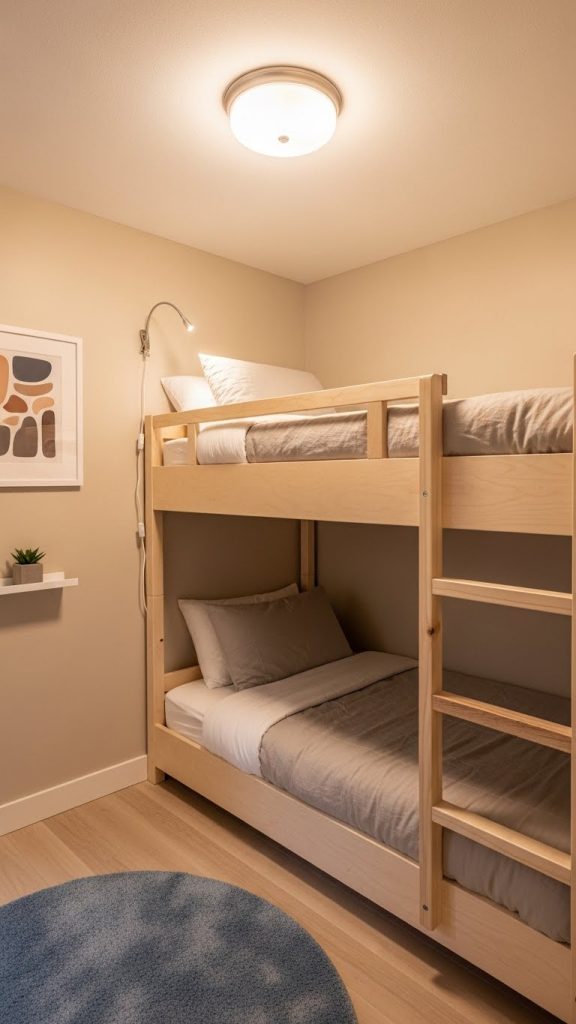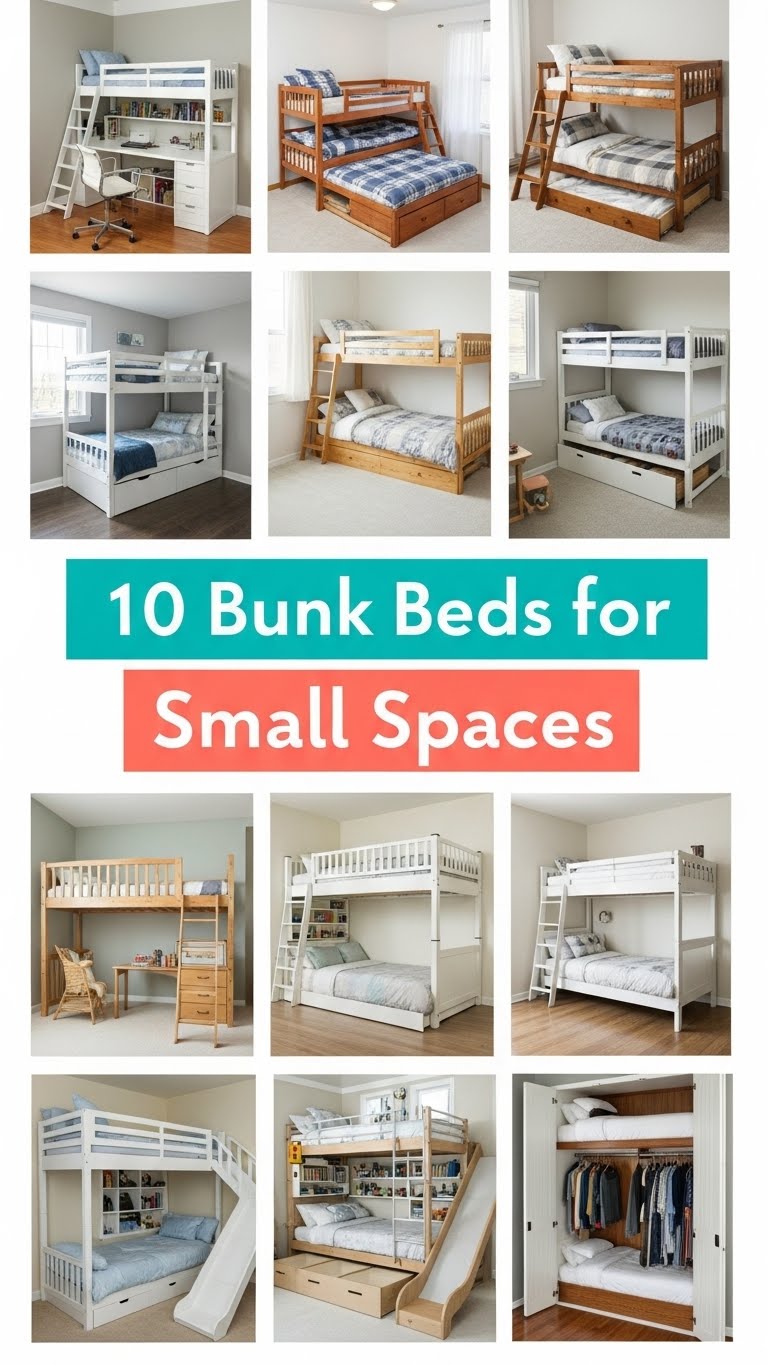
Living in a small home or apartment does not mean you have to compromise on comfort or functionality. One of the biggest challenges in compact spaces is fitting beds, especially when more than one person shares a room. This is where bunk beds become a smart and practical solution. Bunk beds are designed to use vertical space instead of floor space, making them ideal for small bedrooms, studio apartments, children’s rooms, hostels, and guest rooms. Modern bunk beds are no longer just for kids. Today, they come in many styles, materials, and layouts that suit adults, teens, and even mixed-use rooms.
When choosing a bunk bed for a small space, it is important to consider room size, ceiling height, safety, materials, storage needs, and ease of use. Some bunk beds include desks, wardrobes, trundle beds, or storage drawers, which further increase their usefulness. Preparation before buying or building a bunk bed is also essential. Measuring the room, selecting durable materials, and understanding daily usage will help you make the right decision.
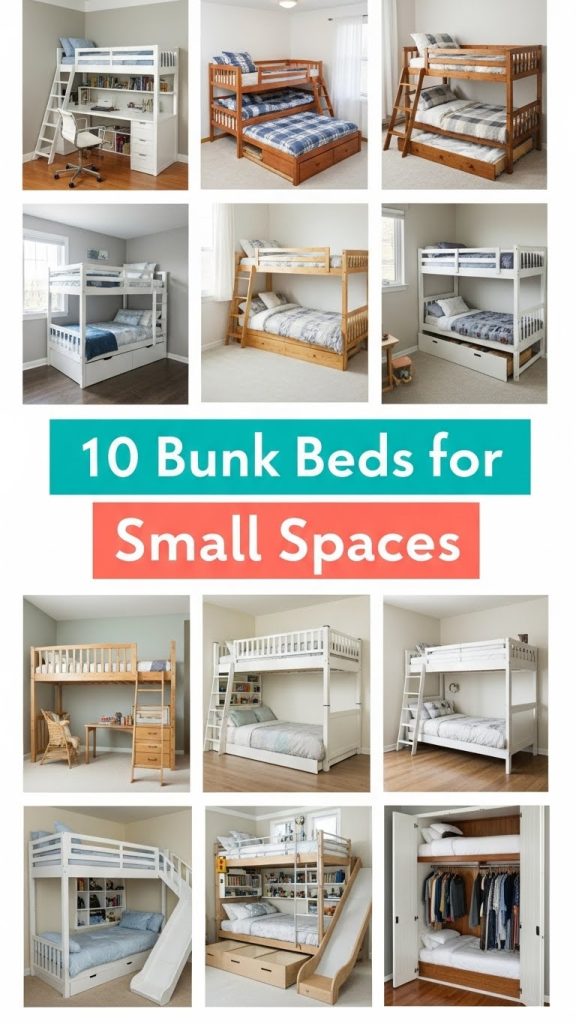
In this detailed guide, we will explore ten types of bunk beds that are especially suitable for small spaces. Each option explains its design, materials, preparation steps, benefits, and ideal usage so you can choose the best solution for your home.
1. Standard Twin Over Twin Bunk Bed
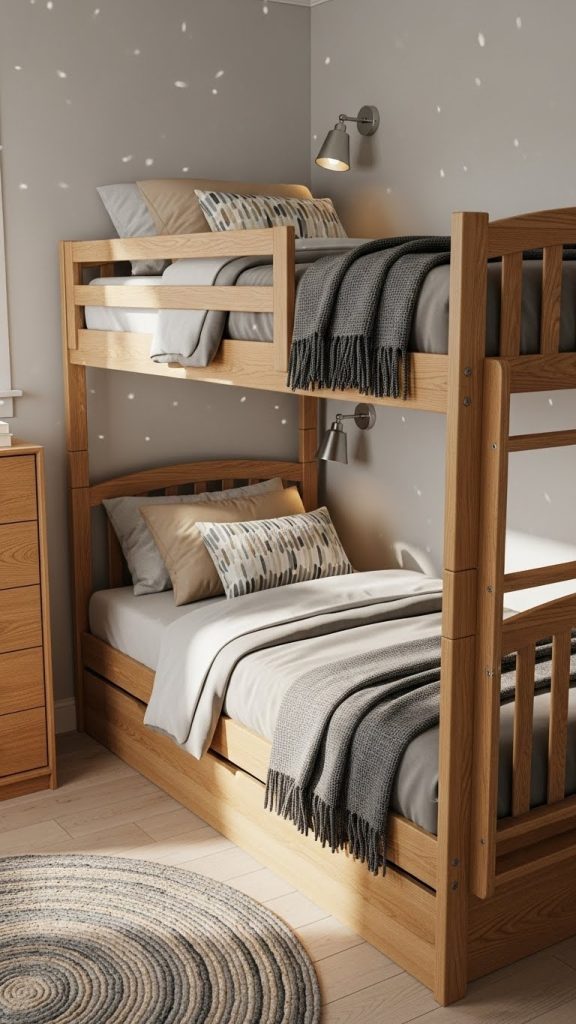
A twin over twin bunk bed is one of the most common and space-saving designs available. It features two twin-size beds stacked vertically, making it perfect for small rooms shared by children or teenagers. This type of bunk bed uses minimal floor space while providing two full sleeping areas.
Preparation starts with measuring the room carefully. You need enough ceiling height to allow comfortable sitting on the lower bunk and safe sleeping on the top bunk. A minimum ceiling height of eight feet is recommended. The bed frame is usually made from solid wood, engineered wood, or metal. Solid wood like pine or rubberwood is strong and long-lasting, while metal frames are lighter and often more affordable.
Twin over twin bunk beds are easy to assemble and fit well against a wall, leaving space for a study table or wardrobe. Safety rails on the top bunk and a sturdy ladder are essential features. These beds are ideal for daily use and are easy to maintain. They work best in children’s rooms, guest rooms, or rental homes where space efficiency is a priority.
2. Twin Over Full Bunk Bed
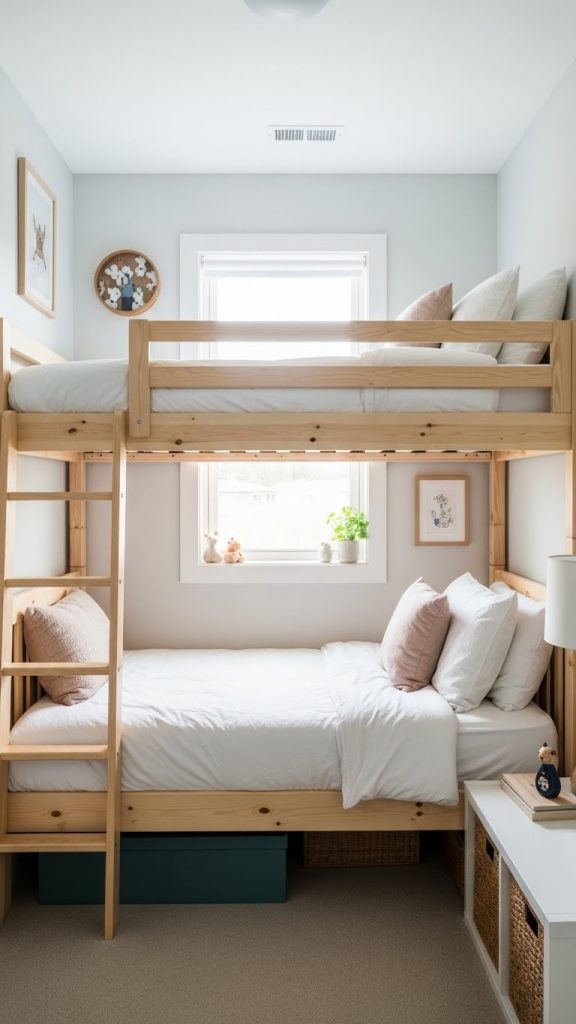
A twin over full bunk bed offers more flexibility than a standard twin over twin design. The top bunk is a twin size, while the bottom bunk is a full-size bed. This makes it suitable for siblings of different ages or for a child sharing a room with an adult.
Before choosing this bunk bed, consider the room width, as the full-size lower bunk requires more floor space. Preparation includes checking doorways and staircases to ensure the bed parts can be moved easily during installation. The materials commonly used are hardwood, plywood with veneer, or reinforced metal frames.
The larger bottom bunk provides extra comfort and can also be used as a seating area during the day. This design is practical for small rooms that need to serve multiple purposes. It is commonly used in family homes, vacation rentals, and compact guest rooms. Strong bed slats and a stable frame are important to support the extra weight of the full-size mattress.
3. Loft Bunk Bed with Desk
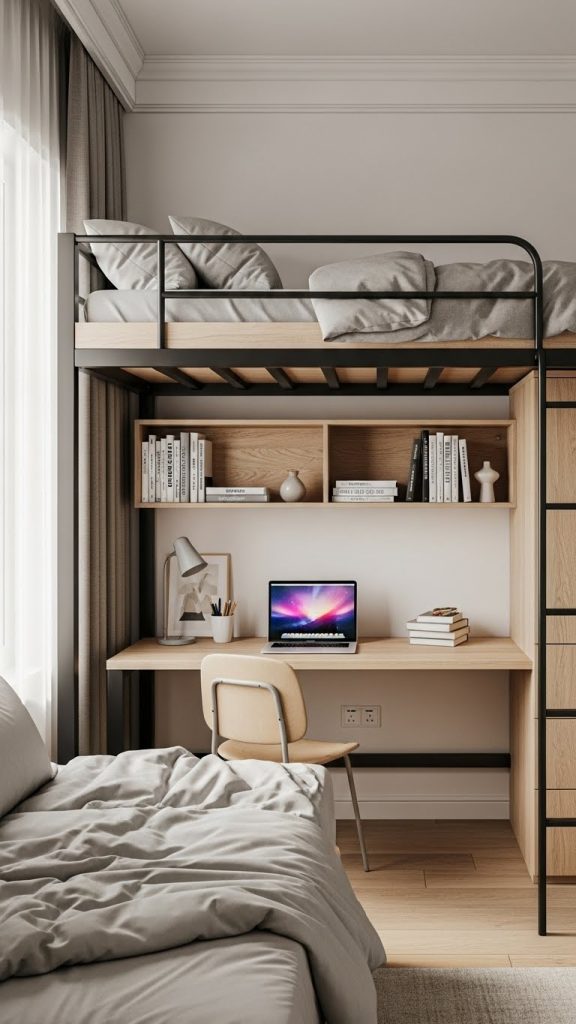
A loft bunk bed with a desk is an excellent choice for very small rooms where every inch matters. In this design, the bed is raised, and the space underneath is used for a study desk, workstation, or storage unit instead of a second bed.
Preparation involves deciding how the lower space will be used. Measure the desk height and ensure proper lighting and ventilation. These bunk beds are often made from metal or engineered wood, as these materials provide strong support while keeping the structure slim.
This type of bunk bed is especially useful for students, teenagers, and people working from home. It eliminates the need for a separate desk, freeing up floor space. The ladder should be easy to climb, and guardrails must be secure. A loft bunk bed with a desk turns a small bedroom into a functional sleeping and working area without feeling crowded.
4. L-Shaped Bunk Bed
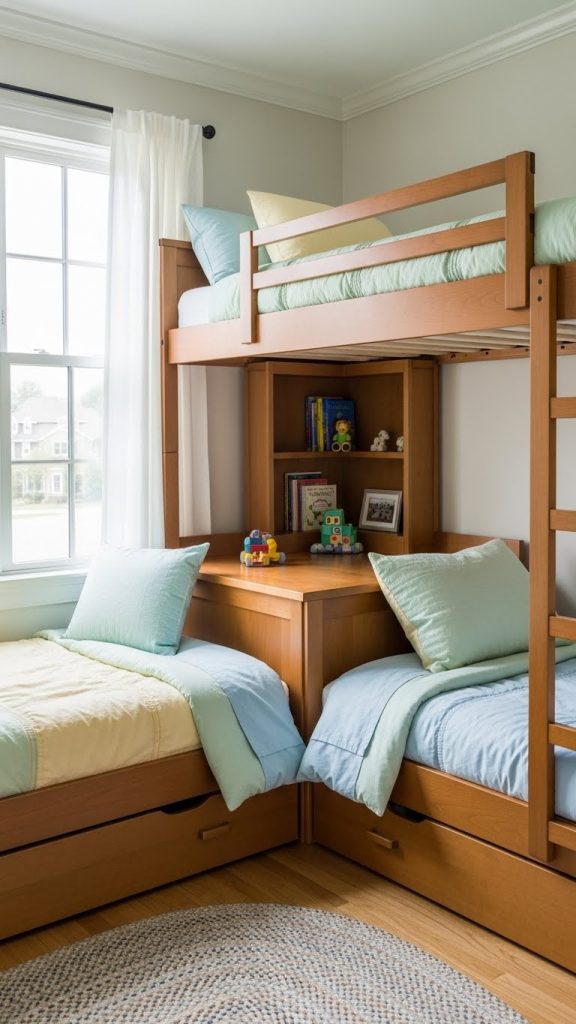
An L-shaped bunk bed is designed to fit neatly into a corner, making it ideal for small rooms with limited wall space. The beds are arranged in an L shape instead of being directly stacked, which creates a more open feel.
Preparation includes identifying the best corner placement and measuring both walls accurately. These bunk beds are typically made from solid wood or metal combinations for strength and stability. Some models include storage shelves or drawers built into the frame.
The L-shaped design allows more headroom and better light flow, making the room feel less cramped. It is suitable for siblings who want a bit of personal space while still sharing a room. This type of bunk bed is both practical and visually appealing, especially in small bedrooms that need a balanced layout.
5. Bunk Bed with Storage Drawers
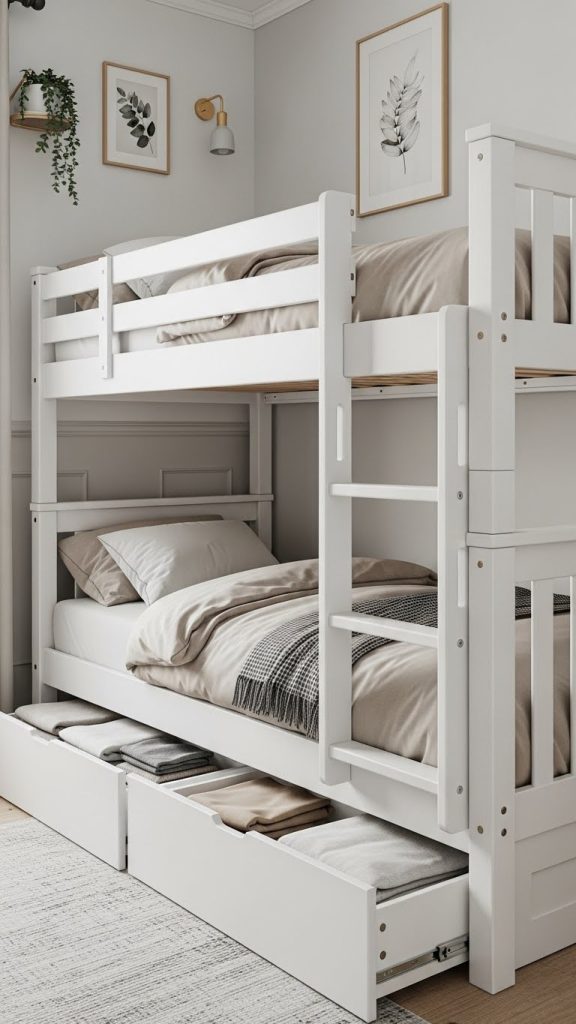
Bunk beds with built-in storage drawers are perfect for small spaces where storage is limited. These beds include drawers under the lower bunk or steps that double as storage compartments.
Before buying, prepare by listing your storage needs. Decide whether you need space for clothes, bedding, toys, or books. The materials used are usually solid wood or engineered wood, as these can support the added weight of drawers.
This design helps keep the room organized and reduces the need for extra furniture like dressers or cabinets. It is ideal for children’s rooms and small apartments. The drawers should slide smoothly and be easy to access. A bunk bed with storage combines sleeping and organization into one compact solution.
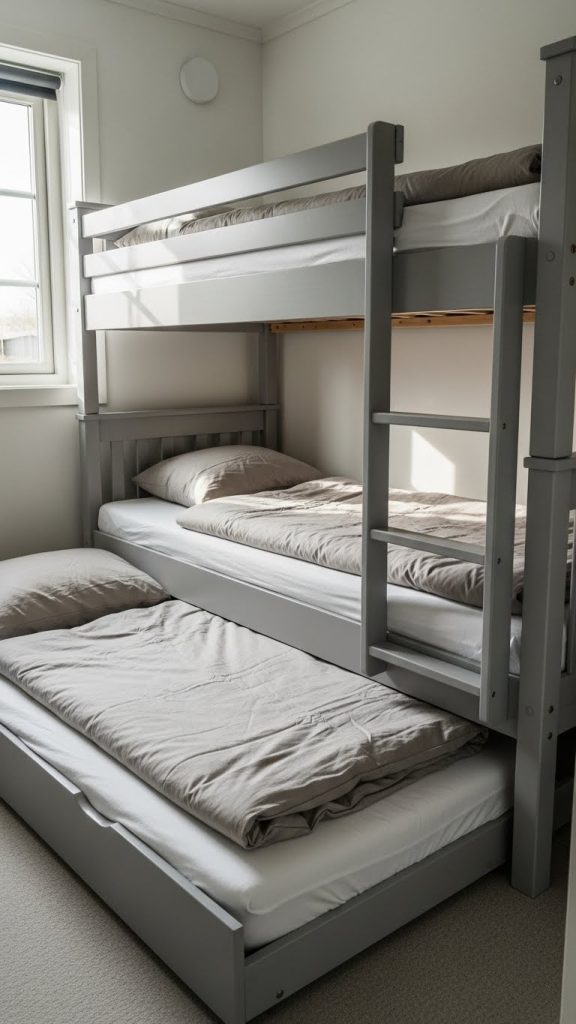
6. Trundle Bunk Bed
A trundle bunk bed includes an extra pull-out bed underneath the lower bunk. This design is ideal for small spaces that occasionally need an extra sleeping area.
Preparation includes checking the floor type, as the trundle bed usually has wheels and works best on smooth surfaces. The frame is commonly made from metal or wood, with lightweight materials for easy movement.
This bunk bed is perfect for sleepovers, guests, or shared rooms where flexibility is needed. During the day, the trundle bed stays hidden, keeping the room uncluttered. It is a practical option for families who want to maximize sleeping capacity without permanently taking up space.
7. Metal Bunk Bed for Compact Rooms
Metal bunk beds are a popular choice for small spaces due to their slim frames and lightweight design. They take up less visual space and often feel less bulky than wooden beds.
Preparation includes checking the weight capacity and ensuring proper floor support. Metal bunk beds are usually made from steel or iron with a powder-coated finish to prevent rust.
These beds are easy to assemble, move, and maintain. They are suitable for children, teenagers, and adults, especially in apartments, hostels, or rental properties. Metal bunk beds are also budget-friendly and durable, making them a practical long-term investment for small rooms.

8. Convertible Bunk Bed
A convertible bunk bed can be separated into two individual beds when needed. This makes it a flexible option for growing families or changing room layouts.
Preparation involves planning for future use. Measure the room to ensure both beds will fit once separated. These bunk beds are typically made from solid wood or reinforced metal to allow repeated assembly and disassembly.
Convertible bunk beds are ideal for small spaces because they adapt to changing needs. They can start as bunk beds to save space and later become separate beds as children grow older. This versatility makes them a smart and cost-effective choice.
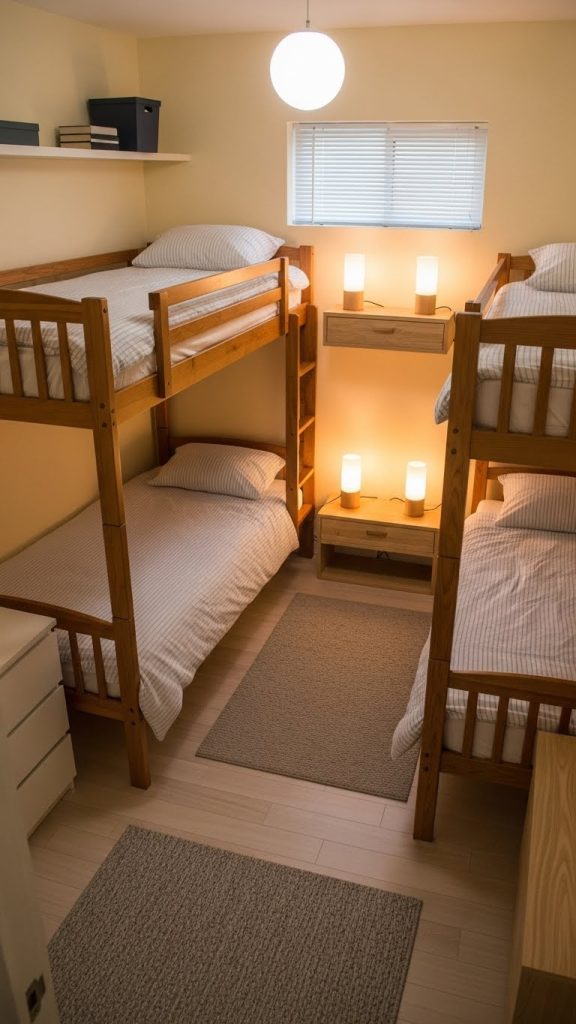
9. Wall-Mounted or Built-In Bunk Bed
Wall-mounted or built-in bunk beds are custom solutions designed specifically for small spaces. These beds are fixed to the wall, which increases stability and frees up floor space.
Preparation is very important for this type. Professional installation is recommended to ensure safety. Materials often include solid wood, plywood, and metal brackets for strong support.
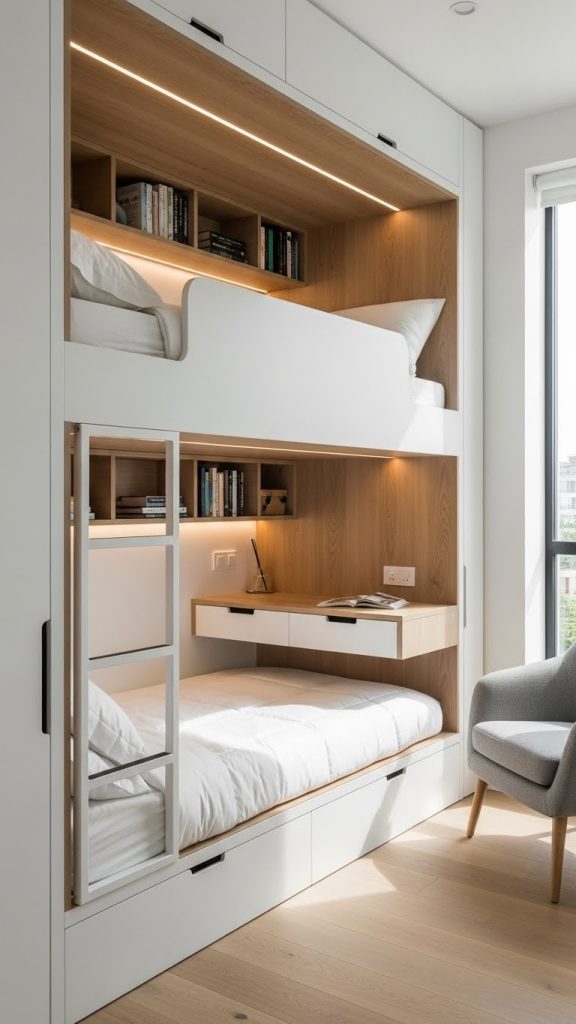
Built-in bunk beds are perfect for tiny homes, studio apartments, and narrow rooms. They create a clean, modern look and can include shelves, lighting, and storage. Although they require more planning, they offer excellent space efficiency and long-term durability.
10. Low-Profile Bunk Bed for Low Ceilings
Low-profile bunk beds are designed for rooms with low ceilings. They have a shorter height, making them safer and more comfortable in compact spaces.
Preparation includes measuring ceiling height and ensuring proper ventilation. These bunk beds are usually made from wood or metal with a compact frame design.
Low-profile bunk beds are ideal for basements, attic rooms, and older homes with limited ceiling height. They provide the benefits of a bunk bed without making the room feel tight or uncomfortable. This design focuses on safety, comfort, and efficient use of space.