
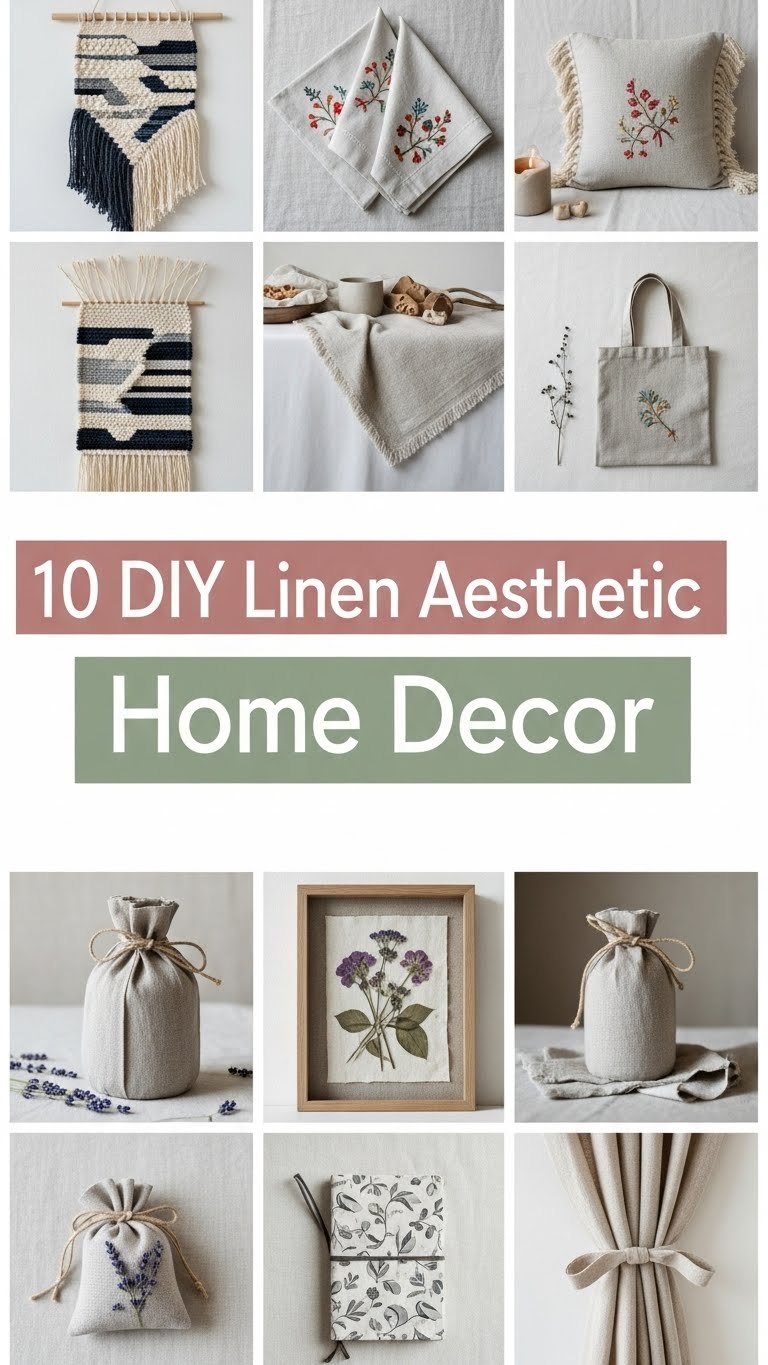
The linen aesthetic has become one of the most popular interior styles due to its natural warmth, breathable textures, and calming neutral palette. Linen decor offers a timeless look that blends effortlessly into minimalist, rustic, bohemian, Scandinavian, and cozy home atmospheres. What makes it even better is that you can create many beautiful linen based projects at home without spending a lot of money. This blog post presents ten detailed DIY linen decor ideas, complete with preparation steps, material lists, and clear explanations. Each idea focuses on simplicity, affordability, and practicality so you can easily integrate the linen aesthetic into your living room, bedroom, kitchen, or any space you want to elevate.

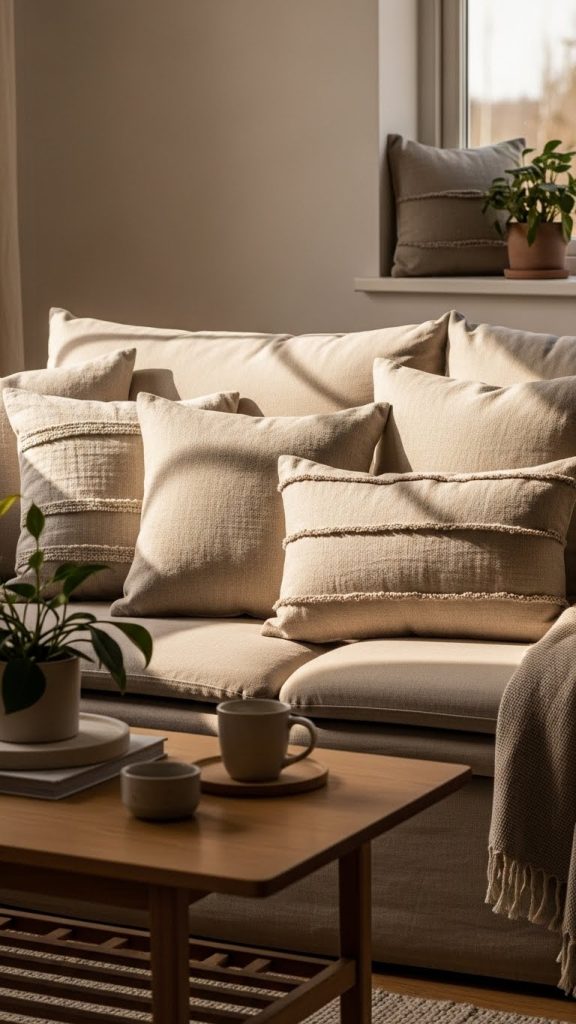
1. DIY Linen Throw Pillow Covers
Creating linen throw pillow covers is one of the easiest and most effective ways to introduce the linen aesthetic into your home. To begin this project, select linen fabric in natural shades such as beige, cream, off white, or taupe. Softly textured linen works best, but you can also choose slightly thicker linen for a more structured look. Start by measuring your pillow inserts and cutting the fabric with an allowance for seams. An envelope style cover is ideal because it eliminates the need for zippers and requires minimal sewing skills. Fold the fabric, align the edges, and sew straight seams along the sides. Linen becomes softer with each wash, so pre washing the fabric helps achieve a natural relaxed texture. Once finished, press the seams for a cleaner appearance. These pillow covers add a warm and organic feel to sofas, beds, or reading chairs. Another advantage is the ability to easily change themes by swapping covers for different seasons. This project is cost effective because you can make multiple covers from a few yards of fabric. Handmade linen pillows instantly elevate a room and give it a comfortable lived in atmosphere while maintaining a sophisticated aesthetic.
2. DIY Linen Table Runner
A linen table runner is a versatile decor piece that enhances dining spaces with natural simplicity. To create this item, choose a medium weight linen fabric that drapes nicely. Start by measuring the length and width of your dining table. A table runner traditionally extends about six to ten inches over each side, so plan your fabric cut accordingly. Once cut, hem the edges by folding the fabric twice and sewing straight lines along all sides to prevent fraying. For a more rustic effect, you can leave the edges raw and lightly fray them using your fingers. Ironing the fabric after hemming will give the runner a neat and polished look. Linen is known for its natural wrinkles, which add charm to the aesthetic. This table runner can be used daily or during gatherings to highlight centerpieces such as candles, flowers, or wooden decor. You can also dye the linen with natural dyes like tea, coffee, or turmeric to create soft color variations. The simplicity of this project makes it suitable even for beginners and requires minimal materials, making it a budget friendly way to enhance your dining area with a warm, neutral feel.

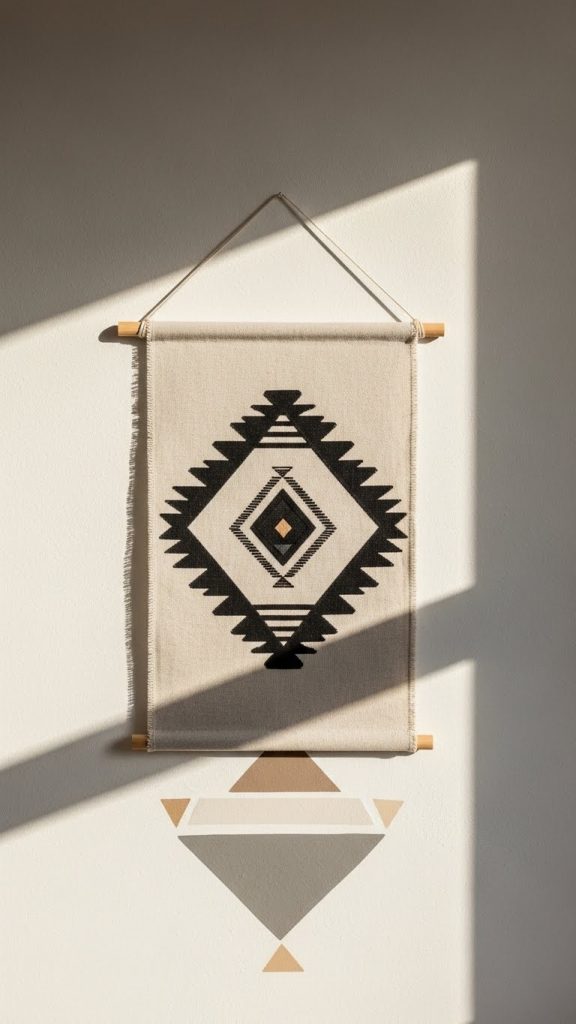
3. DIY Linen Wall Hanging
A linen wall hanging adds texture and artistic appeal to empty walls while maintaining the calming essence of natural fabrics. For this project, gather linen fabric, wooden dowels, thread, and scissors. Begin by cutting the fabric into a rectangular or banner shape depending on the look you prefer. You may leave the edges raw for a relaxed boho effect or hem them for a structured appearance. Attach the top part of the fabric to a wooden dowel by folding it over and sewing a pocket. A jute rope or cotton string can then be tied to both ends of the dowel to create a hanger. You can embellish the linen with simple embroidery, hand painted shapes, or fabric stamps for added personality. Neutral tones work well, but you can also add subtle earthy colors for variation. Linen wall hangings are lightweight, making them easy to install and reposition. They bring warmth to living rooms, entryways, and bedrooms and pair beautifully with wooden or wicker elements. This project is ideal for anyone wanting decor that blends simplicity and artistic charm. It requires minimal sewing and can be customized in size, texture, and design to perfectly suit your interior style.
4. DIY Linen Bed Canopy
A linen bed canopy transforms a bedroom into a calm and cozy sanctuary with soft flowing fabric. Begin by selecting a lightweight linen material that drapes gracefully. You will need curtain hooks, ceiling mounts, or a hoop depending on the canopy style you choose. The simplest version uses four ceiling hooks placed around the bed corners with linen panels hanging loosely to create a tent like appearance. Measure the ceiling height to determine the length of fabric required. Hem the linen panels for a finished edge and sew small loops at the top for hanging. If you prefer a circular canopy, attach the linen to an embroidery hoop and suspend it from the ceiling. The natural airiness of linen creates a relaxing atmosphere while allowing gentle light to filter through. This canopy can soften harsh corners and add elegance to any bedroom. In warm climates, linen is breathable and helps maintain airflow, making it functional as well as decorative. This project is especially suited for minimalist or romantic bedroom styles and is an affordable alternative to expensive store bought canopies. The result is a serene space that feels luxurious and inviting.

5. DIY Linen Lampshade Cover
A linen lampshade cover is a simple way to update lighting decor without replacing the entire lamp. To start, remove the existing shade and measure its circumference and height. Cut a sheet of linen fabric according to these measurements while allowing extra width for seams. Linen should be lightweight or medium weight so that light can pass through softly. Sew the side seams to create a tube shape, then attach the top and bottom edges to the lampshade frame using fabric glue or hand stitching. Smooth the fabric as you secure it to avoid wrinkles or bunching. A natural undyed linen cover gives a warm and diffused glow that enhances the cozy atmosphere of a room. You can also stencil simple shapes or lines onto the fabric to add personality. This project breathes new life into old lamps and blends perfectly with rustic, Scandinavian, or natural themed rooms. The soft texture of linen paired with warm lighting creates a soothing ambiance ideal for bedrooms, living rooms, or reading nooks. It is a cost effective project that requires only basic tools and minimal sewing experience, yet delivers a sophisticated aesthetic upgrade.

6. DIY Linen Storage Baskets
Linen storage baskets are both decorative and functional, offering a natural way to organize household items. To make these baskets, choose thick linen or layer two pieces of linen with interfacing to give the structure more stability. Start by cutting out rectangular panels for the sides and base. Sew the panels together to form a box shape, ensuring the seams are sturdy. Fold the top edge outward to create a clean finish. You can add handles using linen straps, rope, or leather scraps. These baskets are ideal for holding towels, toys, books, or laundry while maintaining a clean and minimal aesthetic. For labeling, you can stitch small linen patches to the front or use fabric markers. The best part about making your own storage baskets is the ability to customize size, color, and shape. Natural linen tones such as beige or grey allow the baskets to blend effortlessly with most home decor themes. This project is budget friendly compared to store bought fabric bins and offers a unique handcrafted touch to your organizational system. Linen baskets work well in bathrooms, closets, living rooms, and bedrooms, offering beauty and practicality in one.

7. DIY Linen Curtains
Linen curtains add softness, movement, and natural brightness to any room. For this project, choose linen fabric in a medium weight to ensure it hangs well without looking too stiff. Start by measuring the height and width of your windows and decide whether you want floor length or slightly shorter panels. Cut the fabric accordingly, adding extra for hems. Sew the side and bottom hems, then create a pocket or loops at the top for the curtain rod. Linen curtains allow natural light to pass through while offering privacy, making them ideal for bedrooms and living rooms. You can also create tie top or tab top designs for added charm. If you prefer a more organic look, lightly fray the edges instead of hemming them. Linen also pairs beautifully with bamboo or wooden rods for a complete natural aesthetic. Because linen is temperature regulating, these curtains help keep rooms cool during warm weather while still allowing airflow. This project is cost effective, especially compared to high priced linen curtain options in stores. The final result offers an elegant, relaxing vibe that instantly enhances the room.

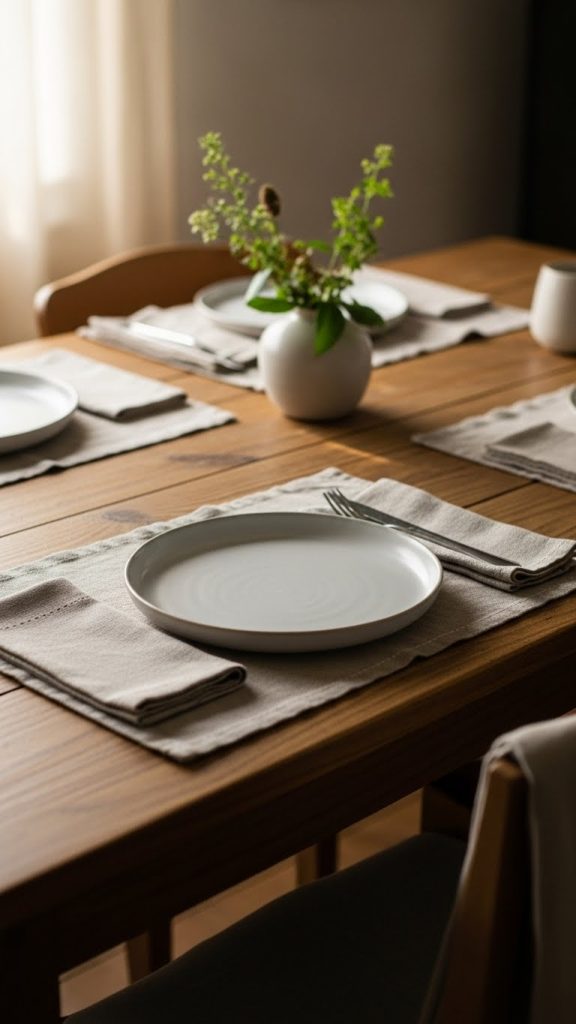
8. DIY Linen Placemats
Linen placemats are a practical and stylish addition to dining tables, offering a natural way to protect surfaces while adding warmth to decor. To create these placemats, cut medium weight linen fabric into rectangles, usually about twelve by eighteen inches. Hem the edges by folding them twice and sewing straight seams. If you prefer a rustic look, you can leave the edges raw and gently fray them. Linen placemats can be dyed naturally with tea or coffee to achieve earthy tones, or you can keep the original fabric color for a clean minimalist style. These placemats are easy to wash, durable, and ideal for everyday use. You can embellish them with simple embroidery, hand stamped patterns, or stitched borders. Pairing them with a matching table runner enhances the overall aesthetic and creates a cohesive dining setup. This project requires minimal sewing skills and is budget friendly, especially because multiple placemats can be made from a small amount of fabric. They elevate the dining experience by adding elegance and comfort with the natural texture of linen. Perfect for casual meals, family gatherings, or styled table presentations.
9. DIY Linen Wrapped Planters
Linen wrapped planters combine natural texture with greenery to create a beautiful decorative element in any home. Begin by choosing small to medium sized pots made of ceramic, plastic, or terracotta. Cut linen fabric into strips or large pieces depending on the wrapping style you prefer. Using fabric glue or a hot glue gun, attach the linen to the exterior surface of the pot, smoothing out wrinkles as you go. You can wrap the fabric tightly for a clean modern look or loosely for a more casual texture. For added detail, tie jute rope or cotton twine around the upper edge of the planter. This project is especially effective with neutral toned linen, which allows the green color of plants to stand out beautifully. Linen wrapped planters work well on shelves, window sills, and tabletops and blend perfectly with minimalist or rustic interiors. The project is inexpensive and a great way to upcycle old pots. It requires no sewing and can be completed within minutes. The result is a set of natural, calming decor pieces that connect the textures of fabric and plants, enhancing the overall aesthetic of your home.

10. DIY Linen Upholstered Bench or Stool
Upholstering a bench or stool with linen gives furniture a fresh and elegant upgrade. To begin, choose a bench or stool with a removable cushion or padding. If the seat does not come apart, you can still wrap the fabric and secure it with a staple gun. Measure the seat and cut a piece of linen fabric with enough excess to wrap around the edges. Choose a durable linen type so that the upholstery lasts longer. Lay the linen face down, place the cushion or seat on top, and pull the fabric tightly while stapling it to the underside. Fold corners neatly to avoid bulky edges. Linen upholstery gives furniture a breathable and natural feel, making it comfortable for daily use. This project works well for entryway benches, bedroom stools, vanity seats, or dining benches. You can pair the newly upholstered furniture with other linen decor pieces in the room for a cohesive look. The natural tone of linen complements wooden furniture beautifully and elevates the overall space with an organic minimalist appeal. This project is cost effective and offers a high end appearance without requiring advanced upholstery skills.
