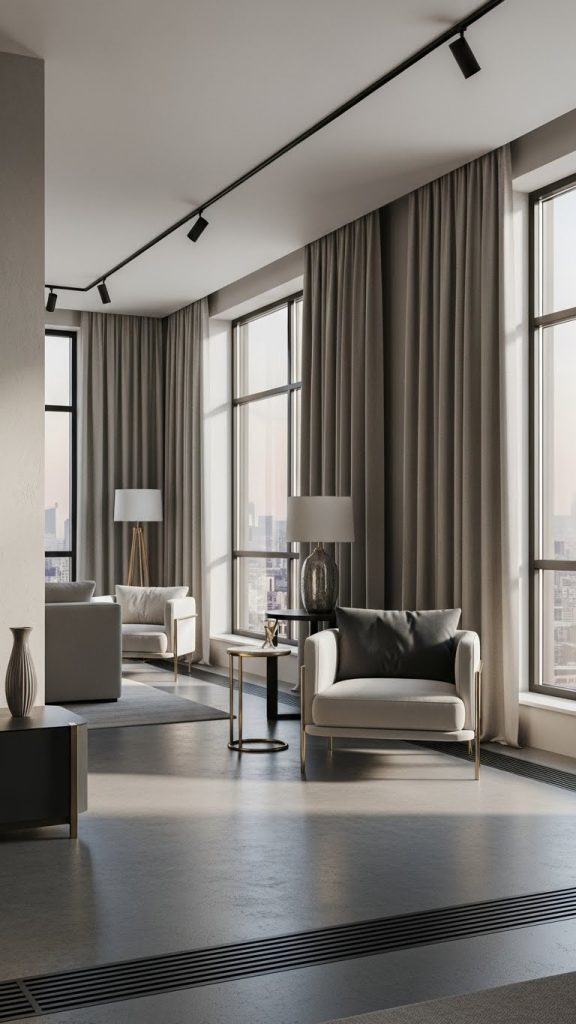
Designing a luxury master bedroom is more than choosing a beautiful bed and pretty décor. It involves thoughtful planning, high‑quality materials, intelligent layout, lighting design, and attention to every detail that contributes to comfort and style. A master bedroom should be a private sanctuary — a calming, elegant, and functional space that reflects your personal taste while offering luxury living. Many professional interior designers use platforms like Behance to showcase stunning high‑end bedroom designs, where every element — from furniture to lighting layers — is carefully curated by experts. A luxury bedroom often combines neutral and rich color palettes, timeless materials, custom finishes, and tailored furniture pieces to create a cohesive and refined space. The goal is to achieve balance: a room that feels opulent without being overwhelming, comfortable yet sophisticated. Whether you’re building from scratch or renovating, understanding essential design principles and materials will help you create a master bedroom that feels like a five‑star hotel suite every day. In this guide, we explore ten detailed luxury master bedroom design concepts, including preparation steps, materials, and execution tips so you can transform your space into a refined personal retreat.

1. Classic Elegance with Custom Headboard
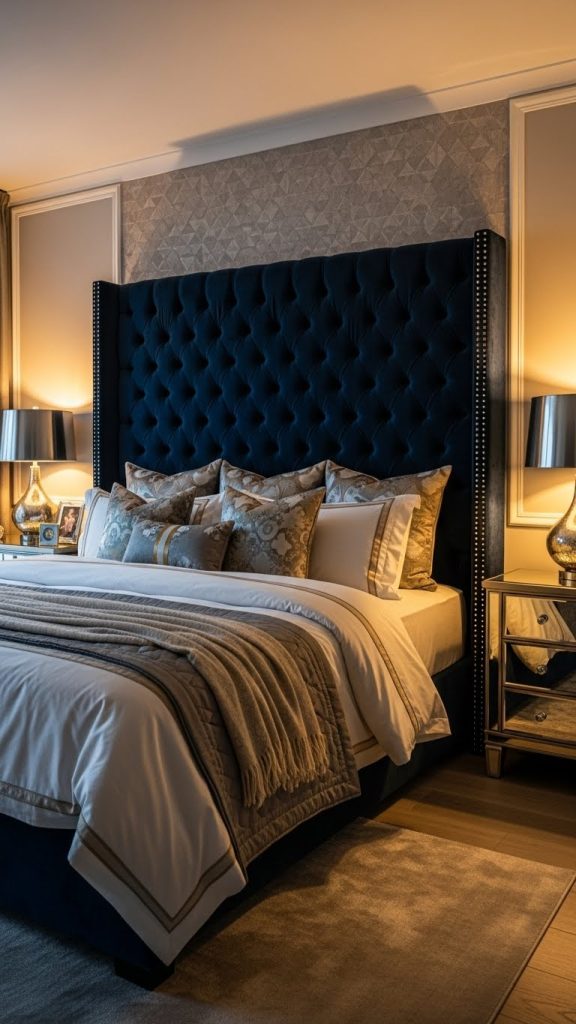
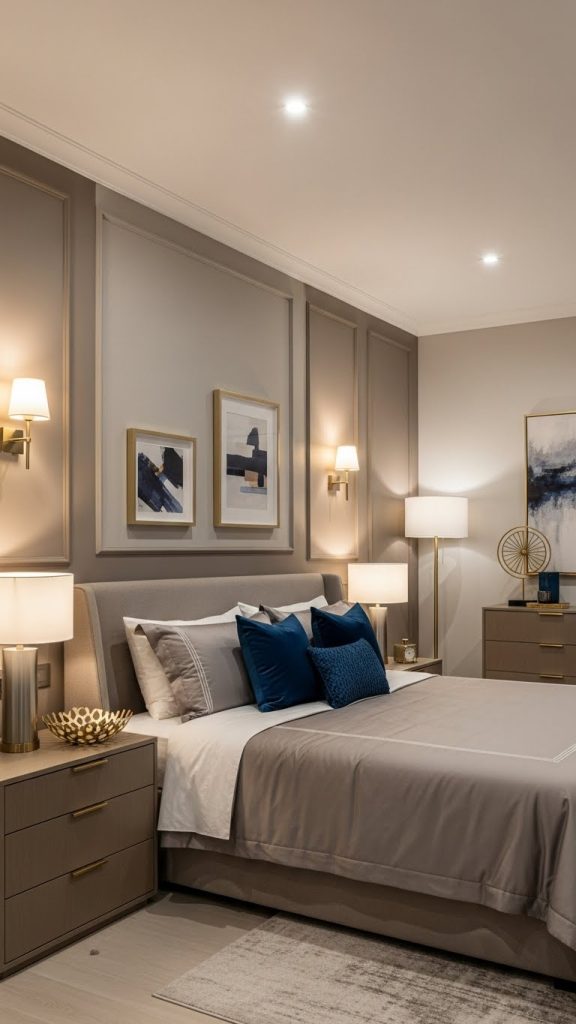
Luxury begins with the focal point — usually the bed. A custom headboard sets the tone for your master bedroom design. Opt for high‑quality upholstery in materials like velvet, leather, or suede, which add texture and depth. These fabrics are bold yet elegant and immediately elevate the space’s visual appeal. When planning for a custom headboard, measure the wall height and width carefully so it aligns perfectly with the proportions of your room. Designers often use tufted or panelled designs with subtle stitching details to enhance visual interest. Behind the headboard, consider a feature wall with textured wallpaper, wood paneling, or fabric wall treatments to add dimension and luxury. Lighting around the headboard — such as recessed LED strips — accentuates the texture and creates a soft glow in the evening. The key is to choose a headboard material and finish that complements your overall colour palette, whether muted neutrals or richer tones, so the bed becomes a statement without overwhelming the space. This focal design strategy is widely used in high‑end bedroom projects and helps anchor the entire aesthetic of your luxury master suite.
2. Layered Lighting for Ambience and Function
Lighting is one of the most impactful elements in a luxury master bedroom. A single overhead light is no longer enough — contemporary designs use layered lighting to create atmosphere, function, and visual depth. Start with ambient lighting: recessed ceiling LEDs or soft‑glow chandeliers that fill the room with warm light. Next, add task lighting such as bedside lamps or wall‑mounted reading lights for nighttime reading or soft illumination. Accent lighting — like LED strips behind furniture or art pieces — adds richness and highlights architectural features. Attention to lighting color temperature can make a big difference: warmer tones create a cozy, inviting ambience while cooler tones promote wakefulness and clarity. Professional designers often install dimmer switches so you can adjust brightness and mood throughout the day. In luxury spaces, statement fixtures like a chandelier or pendant over the bed or seating area act as decor pieces and elevate the room’s style. Layered lighting not only increases functionality but also highlights textures and finishes used throughout the design. Ultimately, lighting is both a practical necessity and an artistic tool that can transform a bedroom into a luxurious sanctuary.

3. High‑Quality Bedding and Textiles
Luxury is felt most when you touch it. High‑quality bedding and textiles are essential for a premium master bedroom design. Start with a mattress that combines comfort with support — memory foam or hybrid designs are popular choices. Cover it with high‑thread‑count cotton, Egyptian cotton, silk, or linen sheets, all of which feel soft and luxurious against the skin. Layer with a plush duvet or comforter and an assortment of pillows of various sizes to add depth and comfort. Upholstered bed frames and foot benches can feature premium fabric choices like velvet or leather to continue the luxurious theme. Window treatments should also be carefully selected: consider double‑layered curtains with blackout lining and sheer panels for both style and function. Rugs are another important textile component — a soft area rug beside the bed can enhance comfort and add warmth underfoot. Natural fiber options like wool or silk blend softness with visual richness. Textiles are not just practical; they contribute significantly to the room’s overall comfort and aesthetic, making your master bedroom feel like a five‑star hotel retreat every time you step in.
4. Statement Furniture and Functional Pieces
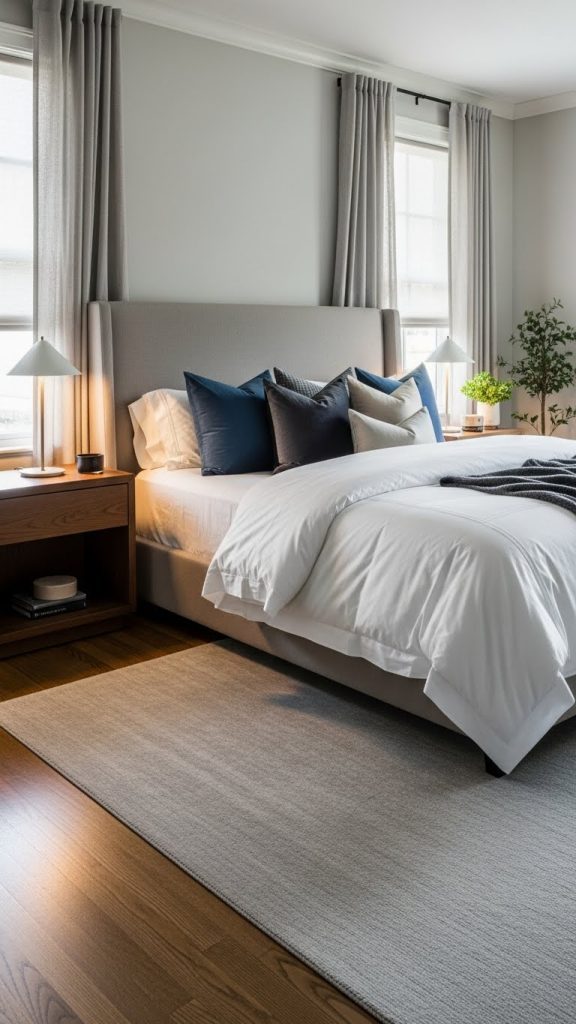
Furniture in a luxury master bedroom should combine function with refined design. Choose elegant pieces crafted from solid wood, metal, or lacquered finishes. A king‑size bed often anchors the room, but supplementary furniture such as chic nightstands, a dresser, and a stylish chaise lounge or accent chair enhances both comfort and visual balance. Nightstands with metallic or mirrored finishes add glamour, while a chaise lounge in a soft fabric invites relaxation and provides extra seating. Consider a vanity or dressing table that reflects your lifestyle — it can act as both a functional workspace and a decorative focal point. Custom built‑in wardrobes help maintain a seamless look, optimizing storage without cluttering the space. Designers often integrate smart storage features like soft‑close drawers, hidden compartments, or charging stations to combine practicality with luxury. Carefully placed furniture also creates designated zones for sleeping, dressing, and lounging, which makes the space versatile and comfortable. The key is to select pieces that feel cohesive with your overall design style, creating a space that is both refined and functional.

5. Accent Walls and Architectural Details
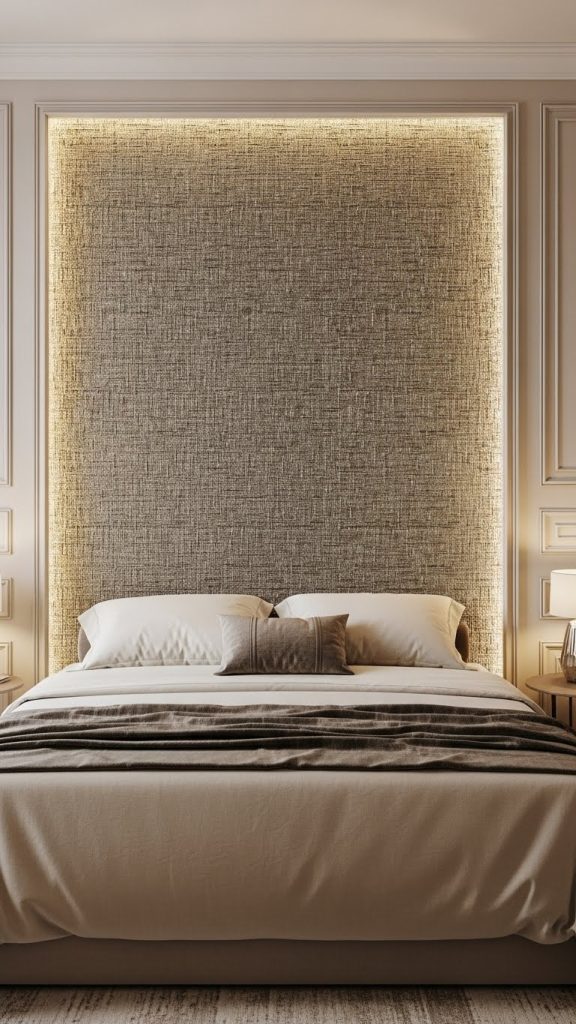
Adding architectural details like accent walls can greatly enhance the luxury feel of your master bedroom. Accent walls function as visual anchors that draw the eye and add depth. Popular options include textured wallpapers with subtle metallic threads, wood paneling, or natural stone cladding. Marble or stone surfaces behind the bed or on feature walls introduce high‑end materiality and a sense of durability. For a softer look, textured paint finishes or fabric wall treatments can add dimension without overwhelming the space. Designers sometimes use panel mouldings or custom carpentry to create refined architectural details that feel bespoke. Ensure the accent wall’s colours and materials complement other elements like furniture and textiles to maintain a cohesive aesthetic. These architectural elements add sophistication and make your bedroom look thoughtfully designed rather than generic. Used strategically, accent walls help balance luxury with comfort and ensure personalization that showcases individual taste.
6. Colour Palettes for Calm and Luxury
Colour selection is a foundational part of luxury design. Most luxury master bedrooms start with low‑saturation neutral tones such as ivory, taupe, beige, soft greys, or muted greens. These calm colours form a sophisticated base that enhances light reflection and creates a serene atmosphere. Richer hues like deep blues, charcoal, or subtle jewel tones can be added as accent colours to bring depth without overpowering the room. Metallic accents in gold, brass, or chrome provide subtle sparkle and elevate plain surfaces. Designers often recommend using a cohesive colour strategy throughout the space — walls, textiles, furniture, and décor pieces should harmonize to create visual balance. Remember that dark colours can make a space feel intimate, while lighter shades open up the room. The right combination depends on your room’s size, natural lighting, and personal preferences. Ultimately, a refined colour palette establishes the mood for luxury and keeps the design timeless and elegant.
7. Natural Elements and Texture Balance
Incorporating natural elements like wood and stone adds warmth and authenticity to a luxury master bedroom. Natural wood finishes — such as walnut, oak or mahogany — work well for furniture, wall accents, or flooring. Stone elements such as marble surfaces or engineered stone accents around the headboard or side tables introduce texture and visual interest. Rugs in natural fibres like wool or jute bring an organic feel underfoot and balance out more polished surfaces. Textural contrast between smooth stone, soft fabrics, and rich wood creates a dynamic environment that feels refined yet grounded. Greenery — such as potted plants or fresh flowers — also adds visual life and connects the interior with nature. A well‑curated mix of textures ensures your luxury bedroom feels layered and comfortable rather than cold or sterile.

8. Smart Technology Integration
Modern luxury goes beyond aesthetics — it also brings convenience. Integrate smart technology to elevate the comfort and efficiency of your master bedroom. Smart lighting systems allow you to change brightness and colour temperature throughout the day with ease, creating different moods for waking up, reading, or winding down. Automated blinds or curtains can be set to open with sunrise or close with sunset for privacy and comfort. Smart thermostats help regulate temperature while maintaining energy efficiency, and voice‑activated assistants can control lighting, audio systems, and even morning routines. High‑quality sound systems provide immersive audio for music or bedtime stories. While technology should not dominate the design, its seamless integration enhances comfort and modern luxury living. Carefully hide wires and choose hardware finishes that match your design aesthetic to maintain simplicity and elegance.

9. Artwork and Decorative Accessories
Artwork and decorative accessories are the finishing touches that bring personality to a luxury master bedroom. Large framed art pieces, abstract paintings, or curated photographs can act as focal points on walls or beside furniture. Mirrors with decorative frames not only serve a functional purpose but also reflect light and make the space feel larger. Thoughtfully chosen accessories — such as designer vases, sculptural objects, and coffee table books — add visual richness. Decorative trays, candles, and curated personal items on nightstands or dressers give the room a layered, lived‑in feeling without clutter. When placing accessories, maintain balance — luxury is about intentionality, not excess. A few meaningful pieces chosen with care will elevate the space and make it uniquely yours.

10. Preparation, Planning, and Execution
Before you begin any renovation or design project, preparation is essential. Start with a clear design brief: define your style preferences, functional needs, and budget. Measure the space accurately, noting windows, doorways, and electrical outlets. Work with a professional interior designer or use platforms like Behance for inspiration and design references. Create a floor plan that allocates zones for sleeping, storage, and seating. Decide on a material palette early — select woods, textiles, metals, and finishes that work together. Order custom pieces well in advance and plan for installation timelines. Lighting and electrical work should be planned before painting and furnishing to avoid disruptions. During execution, maintain open communication with contractors and designers to ensure details match your vision. A well‑executed plan results in a luxury master bedroom that not only looks stunning but functions seamlessly for everyday living.