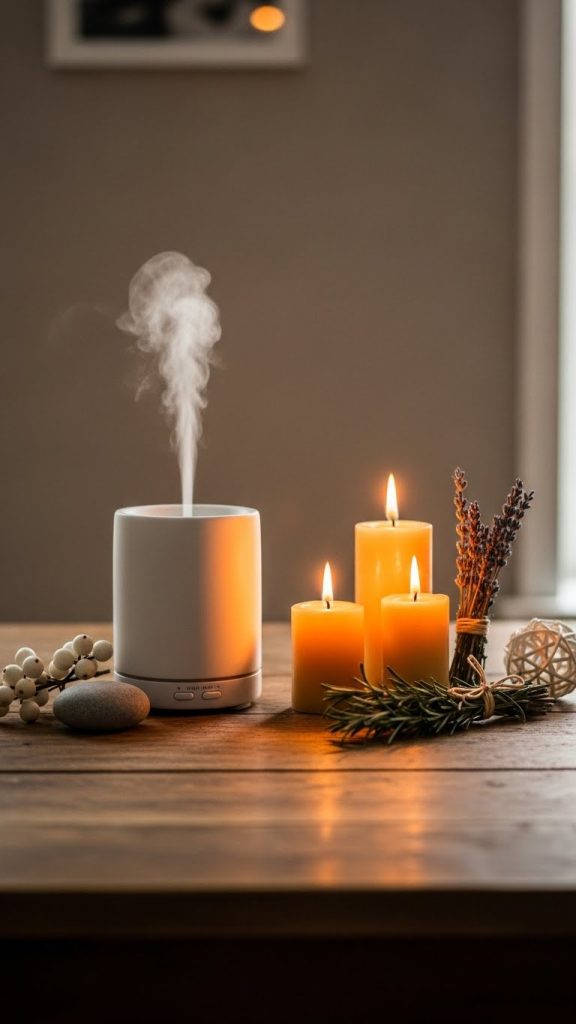
Winter is the perfect season to embrace simplicity, warmth, and balance within your home. Minimalism is not about having an empty space but rather about creating an environment where every item serves a purpose and contributes to a calming atmosphere. During winter, when the days grow shorter and temperatures colder, a minimalist approach allows your home to feel intentional, cozy, and visually peaceful. In this detailed guide, you will discover ten minimalist winter home ideas along with complete explanations, preparation steps, materials, and essential styling tips. These ideas focus on decluttering, natural materials, functional aesthetics, and soft warming elements that transform your home into a serene winter retreat without overwhelming decor or unnecessary accessories.

1. Neutral Winter Color Palette Transformation
A minimalist winter home begins with a neutral color palette. The calmness of whites, creams, beiges, light browns, and soft grays brings a quiet and serene feeling to any space. Neutral colors reflect winter light more effectively, making your rooms appear brighter despite the shorter days. Before starting, examine your current decor and identify areas that can be simplified. Prepare by gathering paint samples, fabric swatches, and inspiration images that align with a minimal style. Materials you might need include neutral paint, slipcovers, cotton throws, linen pillowcases, and basic storage baskets. Focus on creating one cohesive palette for the entire home. For example, pair white walls with beige textiles and light wood furniture for a Scandinavian inspired winter look. Avoid loud patterns or bold contrast, as minimalism thrives on subtlety. Neutrals not only bring harmony but also make your decor pieces stand out gently without overwhelming the senses. Experiment with different shades of off white and gray until you achieve a balanced appearance. This shift in palette sets the foundation for all other winter decor, allowing you to layer warmth while still keeping a clean minimalist aesthetic.
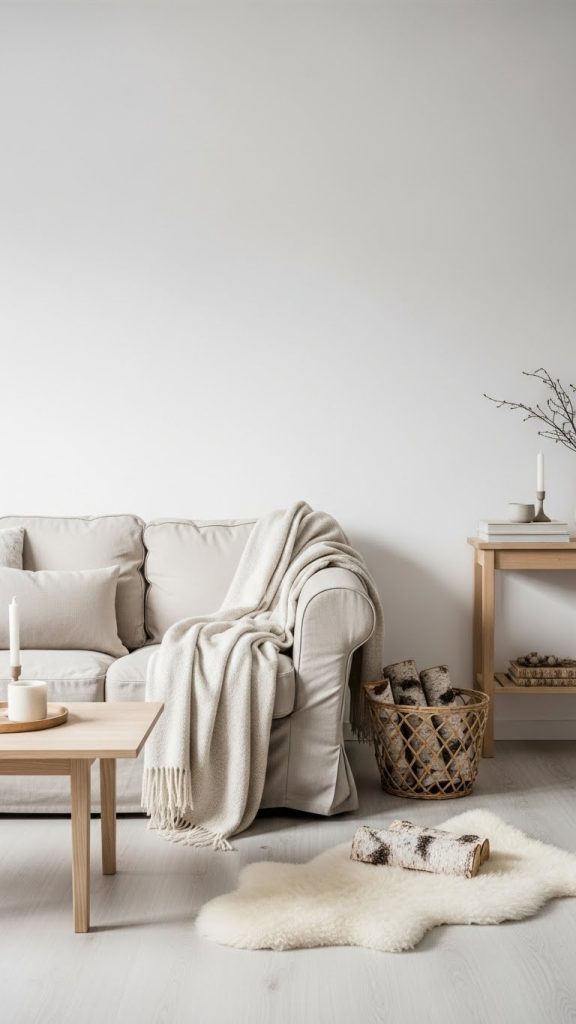
2. Decluttering for a Winter Reset
Winter is the ideal time to declutter your home and create open, breathable spaces. Excess items tend to make a room feel cramped and heavy, especially in colder months when people spend more time indoors. Start by organizing belongings into categories such as keep, donate, recycle, or store for future use. Preparation should include collecting storage bins, labeling materials, donation boxes, and cleaning supplies. The goal is to remove anything that does not serve a practical or aesthetic purpose. Pay special attention to open surfaces such as coffee tables, shelves, and countertops. Minimalism encourages intentional placement rather than unnecessary display. Removing clutter makes the home feel instantly lighter and more calming. Materials you might use include drawer organizers, cloth storage bags, simple wooden boxes, and under bed storage solutions. Once decluttering is complete, clean all surfaces thoroughly to refresh the space. Winter often brings dust and dry air, so maintaining cleanliness enhances the minimalist effect. Decluttering also improves air flow, allowing any winter scents, candles, or natural textiles to become more noticeable without competing with visual noise. This step serves as a reset, preparing your home for the warm touches that will follow.
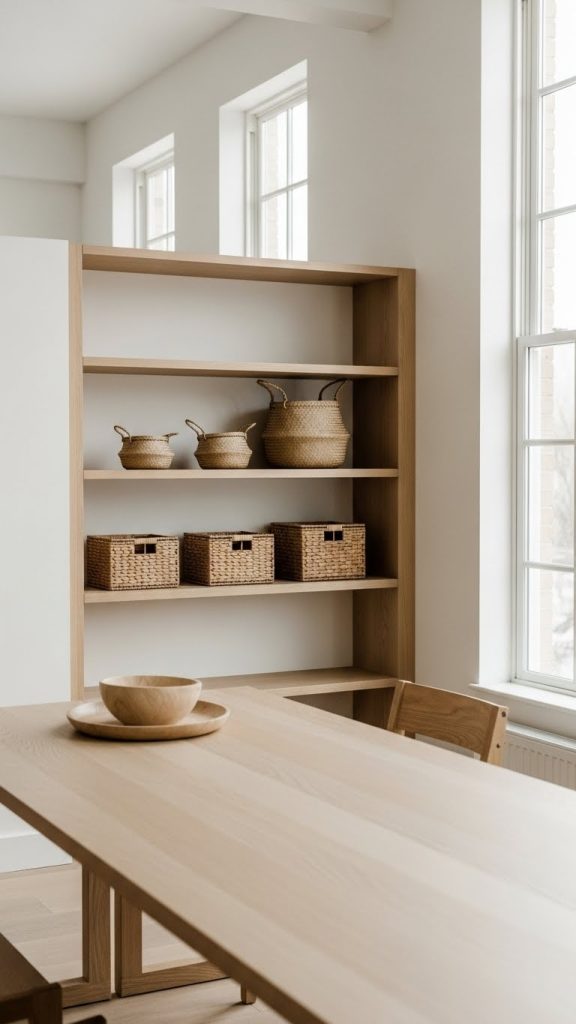
3. Soft Minimalist Layered Textures
Minimalist winter style relies heavily on texture rather than patterns to create warmth. Soft fabrics bring comfort without clutter. Begin by assessing which textiles in your home need replacing or refreshing. Materials to gather include wool blankets, cotton throw blankets, neutral cushion covers, linen bedding, and cable knit accessories. Avoid busy prints or bold colors and stick to simple, soothing textures. Layering is key to creating warmth while staying within minimalist boundaries. You might layer a lightweight cotton blanket with a thick wool throw on the sofa or combine a linen bedspread with a cozy knitted winter blanket. This approach adds comfort and dimension without overcrowding the space. Preparation involves choosing consistent tones so your layers appear unified. Choose materials that feel soft to the touch and can withstand winter temperatures. Natural fabrics allow breathability and regulate warmth better than synthetic ones. This textured approach creates a warm atmosphere while maintaining clean lines and order. The goal is to make your home feel inviting through subtle tactile elements instead of heavy decorative items. Soft textures help balance the coolness of winter and create visual depth in a minimalist setting.
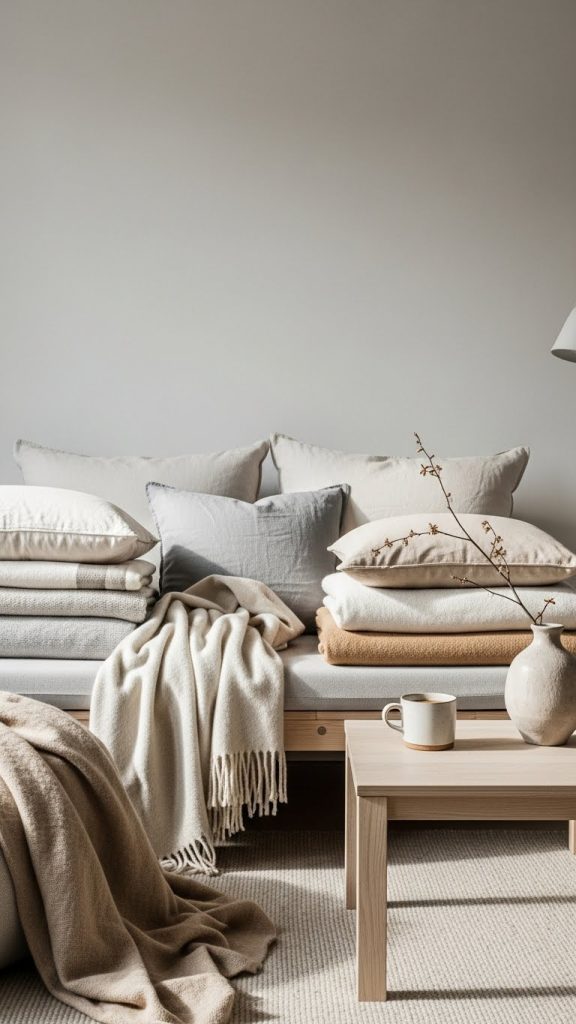
4. Minimalist Winter Lighting with Warm Glow
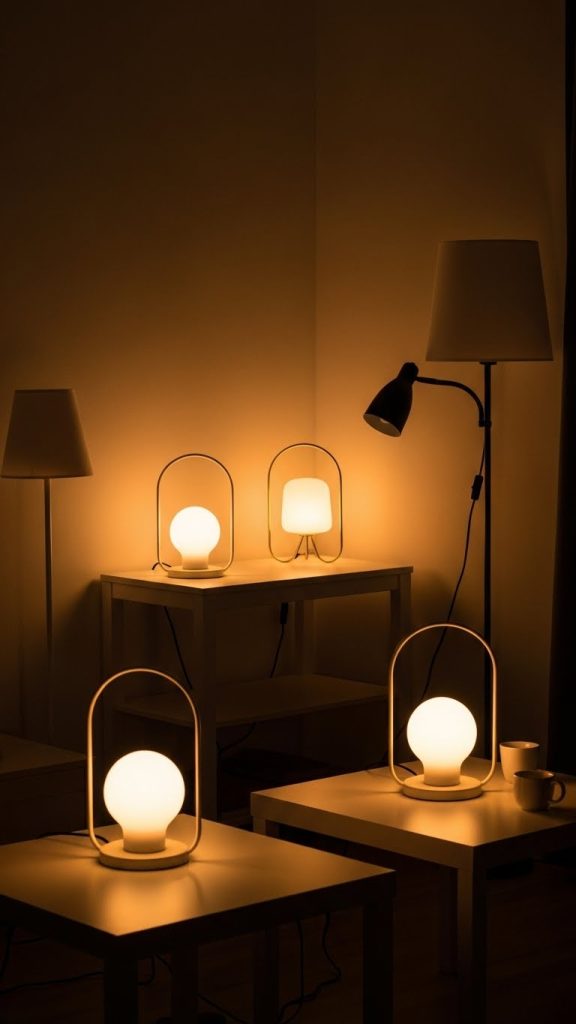
Lighting plays a crucial role in shaping the mood during winter. With shorter days and longer nights, a minimalist home benefits greatly from warm, gentle lighting. Begin by turning off harsh white lights and replacing them with soft warm bulbs. Materials needed include warm LED bulbs, simple floor lamps, table lamps, battery candles, and warm string lights if desired. Preparation involves identifying dark corners of your home that need illumination. Minimalist lighting focuses on purposeful placement rather than maximal decoration. Instead of elaborate fixtures, choose sleek lamps with clean lines and neutral shades. Soft lighting enhances textures, improves comfort, and creates a serene winter environment. Position lights at different heights to create layered warmth, such as placing a floor lamp near a reading chair or a table lamp on a minimalist side table. Candlelight can also be used for natural glow, but keep arrangements simple and intentional. A few elegant candles are enough. Avoid colorful lights or overly decorative lamp shapes as they disrupt minimal harmony. Warm lighting transforms your home into a peaceful winter sanctuary where each corner feels inviting and uncluttered.
5. Natural Winter Decor Elements
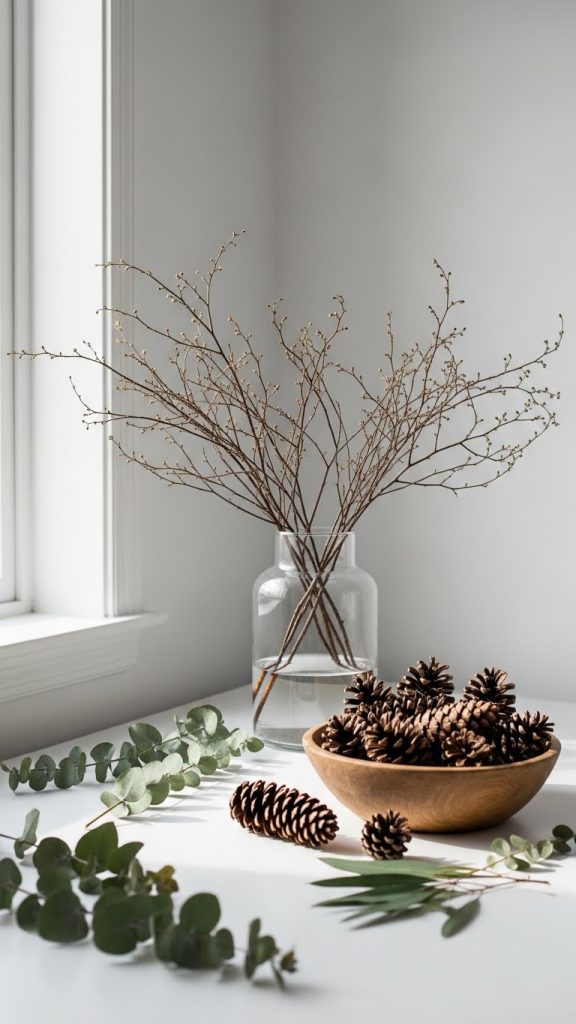
Minimal winter decor often relies on nature inspired touches. Instead of buying decorative items that add clutter, incorporate simple natural elements. Begin by collecting branches, pinecones, dried grasses, or eucalyptus stems. Materials you might need include clear glass vases, ceramic jars, wooden bowls, and simple trays. The goal is to introduce subtle winter beauty without overwhelming the room. Natural decor brings an organic and grounding feel that complements minimalism perfectly. A single branch placed in a tall vase or a small cluster of pinecones in a wooden bowl can create a peaceful winter statement. Preparation includes cleaning and drying any natural elements to ensure they remain fresh. Neutral colored vases or containers enhance the minimalist effect while allowing the organic textures to stand out. Natural decor also helps bring outdoor winter calmness inside the home. Avoid combining too many elements in one space. Instead, choose one or two natural pieces per room and allow them to be the focal points. This minimalist approach highlights winter beauty in a restrained yet elegant way, creating harmony between simplicity and seasonal charm.
6. Simplified Winter Kitchen Styling
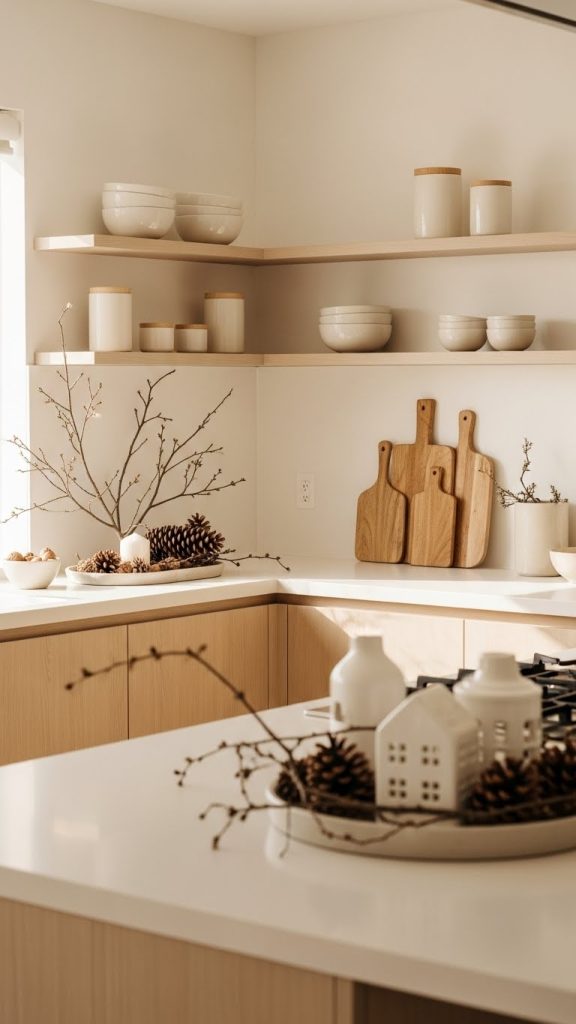
A minimalist winter kitchen focuses on functionality and clean aesthetics. Begin by clearing countertops and keeping only essential appliances or decorative pieces. Preparation involves organizing cabinets, using storage containers, and ensuring pantry items are neatly arranged. Materials you may need include glass jars, wooden cutting boards, ceramic bowls, and matte kitchen accessories. Choose items that match your winter color palette for visual consistency. Create a simple winter vignette by placing a wooden board with one ceramic bowl of winter fruit or a clear jar of dried herbs. Minimalism in the kitchen means reducing clutter, improving efficiency, and creating a calm space for daily routines. Warmth can be introduced through natural materials such as wood and stone. Avoid over decorating with too many seasonal pieces. One carefully chosen item, such as a vase of eucalyptus or a neutral candle, is enough to bring winter charm. Clean lines and intentional placement help maintain a peaceful cooking environment. This approach also makes meal preparation more enjoyable during winter, as the space feels organized and free of distractions. The winter kitchen becomes both beautiful and functional through minimal styling.
7. Cozy but Minimal Living Room Setup
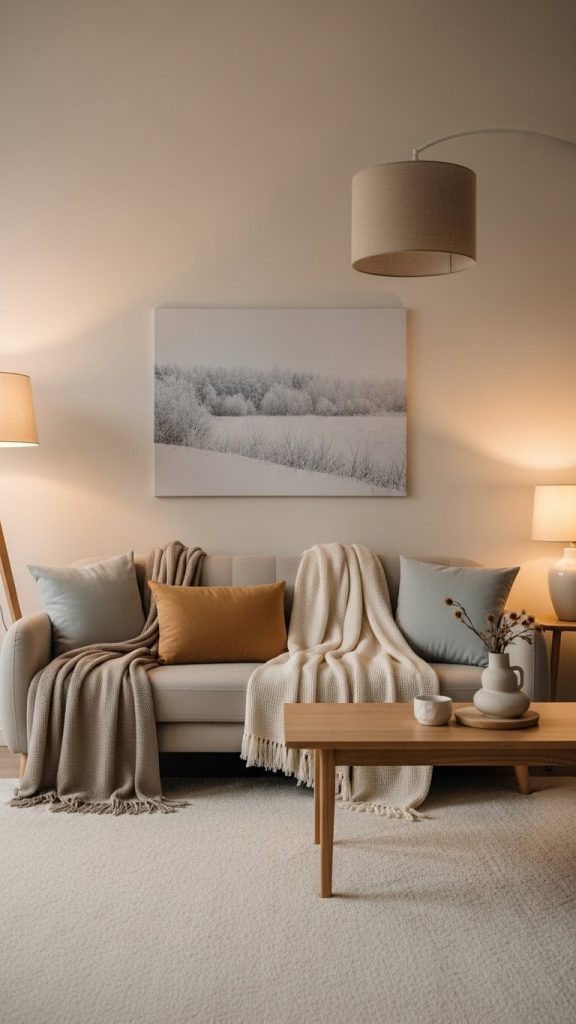
The winter living room should offer comfort without losing minimalist structure. Begin by reassessing your furniture. Remove any unnecessary pieces that make the room feel crowded. Preparation may involve repositioning furniture, vacuuming deeply, and reorganizing shelves. Materials you might use include neutral cushions, a large minimalist rug, a simple coffee table tray, and a pair of soft throw blankets. Choose a single focal point such as a fireplace, a simple artwork, or a large window. Avoid placing too many decorative items on shelves or tables. A minimalist living room thrives on open space, gentle textures, and functional decor. Add warmth with a thick rug that covers most of the floor and soft cushions on your sofa. Keep color choices soft and neutral. The room should feel open yet inviting during winter. Instead of multiple decorative objects, select one high quality vase or a single winter themed artwork for the wall. This creates a balanced look and prevents visual clutter. The key is creating a cozy environment through comfort rather than decoration.
8. Minimalist Winter Entryway Refresh
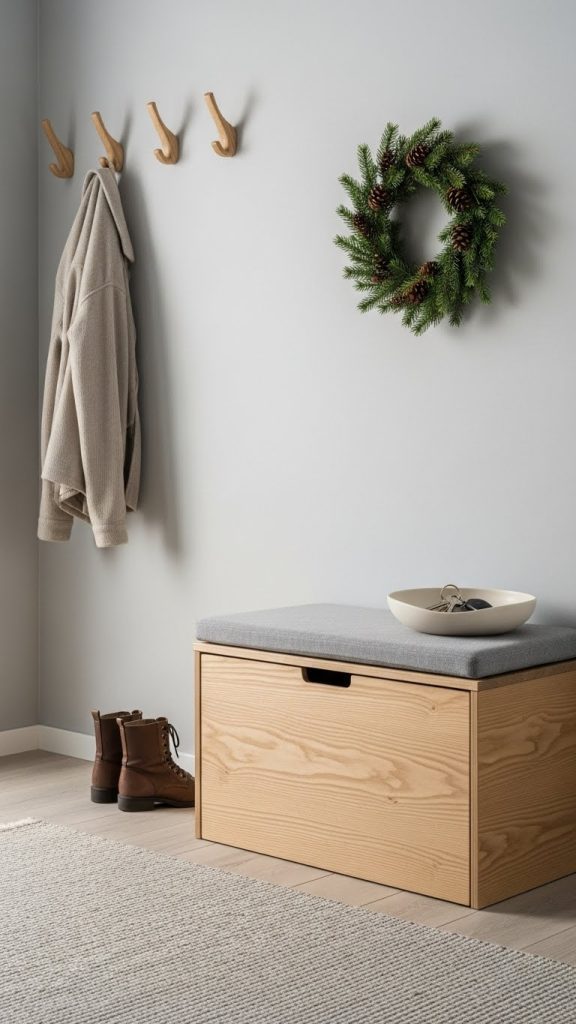
Your entryway sets the tone for the entire home. A minimalist winter entryway should be organized, warm, and clutter free. Begin by removing items that do not belong such as excess shoes or accessories. Preparation includes gathering storage baskets, wall hooks, and a simple bench if needed. Materials include a neutral rug, wooden coat hooks, a small winter wreath, or a single ceramic bowl for keys. The entryway should provide functionality with minimal decor. Choose a simple mat that traps winter dirt without adding patterns. Add a bench with hidden storage to keep gloves and scarves organized. Avoid overcrowding the space with large furniture or decorative objects. A small winter wreath in natural tones can add a seasonal touch without disrupting the minimalist style. A ceramic bowl or tray can keep small items tidy. The goal is to create an entryway that feels calm and welcoming even in freezing weather. This setup reduces stress when coming home from the cold and keeps the area clean and organized throughout the season.
9. Winter Minimal Bedroom Comfort
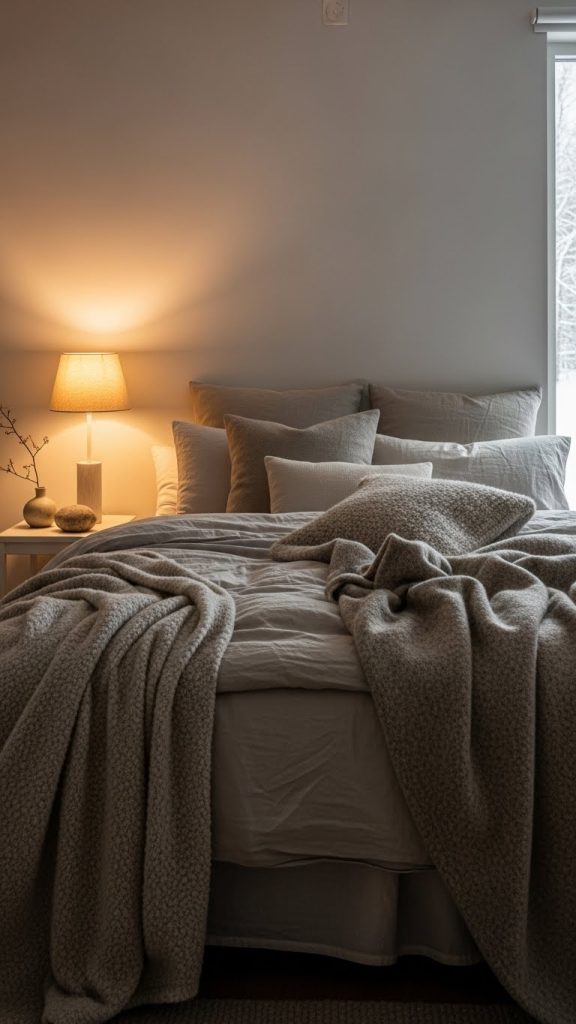
The bedroom is an important winter sanctuary. Minimalism in this space combines warmth, cleanliness, and restful energy. Begin by clearing nightstands and limiting decor to essential items. Preparation includes washing bedding, organizing closets, and removing unused items. Materials you may need include neutral flannel bedding, wool blankets, cotton pillowcases, and a simple bedside lamp. Neutral tones help create a peaceful sleep environment. Introduce winter comfort through layered bedding and soft textures. Avoid heavy patterns or bright colors that disrupt harmony. A minimalist bedroom focuses on relaxation, so choose one piece of winter decor such as a dried leaf arrangement or a single ceramic vase. Keep lighting warm and soft to encourage calmness. Remove electronic distractions if possible. In winter, the bedroom should feel warm but visually open. A thick rug by the bed can add comfort during cold mornings. The goal is creating a restful retreat that supports well being during long winter nights while maintaining a clean minimalist aesthetic.
10. Minimal Winter Scent and Ambience Styling
Winter ambience in a minimalist home should be subtle yet cozy. Begin by selecting a few winter scents such as pine, cedar, vanilla, or soft amber. Preparation includes choosing a single diffuser, a couple of candles, or natural dried elements. Materials needed include essential oils, ceramic diffusers, beeswax candles, and dried herbs. Avoid using heavy artificial scents or having multiple aromas in the same room, as this disrupts minimal harmony. Choose one signature winter scent for your home. The goal is to create a calming sensory experience without overwhelming the space. Candles should be simple in design and placed intentionally. A ceramic oil diffuser can provide long lasting aroma. Scents enhance the feeling of warmth and comfort during cold months. Combine this with soft lighting and natural decor to complete the winter atmosphere. Minimalist ambience focuses on balance and simplicity, allowing each scent and visual element to serve a purpose. This final touch ties together all other minimalist winter ideas, creating a home that feels warm, peaceful, and intentional.