
The Japandi style is a unique fusion of Japanese minimalism and Scandinavian functionality, creating spaces that are both serene and practical. This design trend has grown in popularity in recent years, particularly for kitchens, where a balance of aesthetics and usability is essential. A Japandi kitchen emphasizes clean lines, natural materials, muted color palettes, and thoughtful organization. Unlike other styles, it focuses on simplicity without sacrificing comfort, combining the warmth of Scandinavian design with the refined elegance of Japanese interiors.
Modern kitchens are often busy spaces, but the Japandi approach encourages a sense of calm and order. From choosing the right materials to arranging furniture and appliances, every element serves a purpose while contributing to the overall visual harmony. This blog post will explore ten practical and stylish ideas for creating a modern Japandi kitchen. Each idea includes preparation tips, material suggestions, and design insights to help you transform your kitchen into a peaceful, functional, and beautiful space that feels both contemporary and timeless.
1. Minimalist Layout and Open Spaces
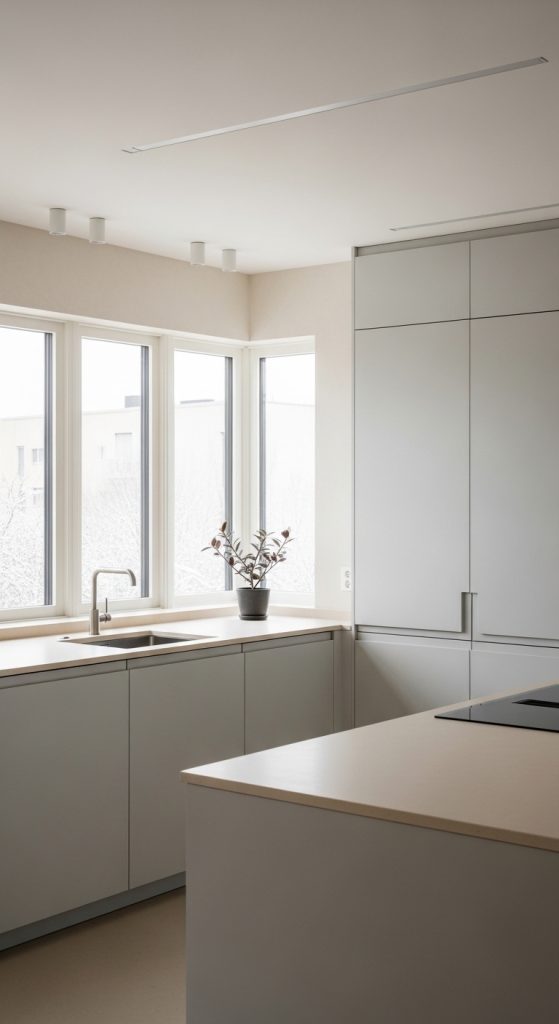
A fundamental principle of Japandi kitchens is a minimalist layout. Open spaces make the kitchen feel airy and reduce visual clutter. Start by evaluating the kitchen’s existing layout and removing any unnecessary furniture or items. Opt for built-in cabinets and hidden storage solutions to keep countertops clean. Open shelving should be limited to a few essential items, like ceramic dishes or glass jars, which maintain the minimal aesthetic.
Consider the work triangle—sink, stove, and refrigerator—to ensure efficiency in movement. Clean lines and simple geometric shapes in countertops and cabinets enhance the minimalist effect. Neutral colors such as beige, gray, and soft wood tones can visually expand the space. Materials like matte-finished wood and smooth stone are ideal for countertops and flooring. Minimalist lighting, such as recessed ceiling lights or simple pendant lights, maintains the openness. Overall, prioritizing functionality and space efficiency helps create a Japandi kitchen that is calm, practical, and visually balanced, encouraging ease of movement and a sense of tranquility.
2. Natural Wood Cabinets and Accents
Wood is a cornerstone of Japandi design, bringing warmth and texture into the kitchen. Choose light or medium-toned wood, such as oak or maple, for cabinets, drawers, and open shelving. The natural grains of the wood create subtle patterns, adding visual interest without overwhelming the space. Matte or satin finishes work best to maintain the understated elegance of Japandi design.
When planning wood accents, balance is key. Too much wood can feel heavy, so combine it with neutral walls and countertops made from stone or quartz. Wooden chopping boards, utensil holders, and small kitchen accessories complement the larger wooden elements. Consider minimalist handles or handle-less push-to-open cabinets to preserve the clean lines. Wood flooring can also extend the warm, natural feel throughout the kitchen. Proper care and maintenance, such as sealing the wood and avoiding harsh cleaning agents, ensure longevity and maintain its natural beauty over time. Integrating wood thoughtfully creates a cozy yet sophisticated Japandi kitchen.

3. Neutral Color Palette
A calm, neutral color palette is essential in Japandi kitchens. Colors like off-white, beige, soft gray, and muted pastels form a soothing backdrop, allowing natural materials and textures to stand out. Neutral tones create visual harmony and make the kitchen feel spacious and uncluttered. Walls, cabinets, and large appliances should follow this palette to maintain a cohesive look.
Accent colors can be introduced subtly through decor, like ceramic vases, linen towels, or small kitchen appliances. Darker shades, such as charcoal or black, can be used sparingly for contrast on handles, faucets, or frames. Matte finishes help avoid reflective surfaces that may disrupt the calm atmosphere. When painting or choosing tiles, aim for earthy tones that mimic natural elements. This approach encourages a balanced visual flow and ensures that the kitchen feels timeless rather than trendy. A neutral palette allows flexibility in decoration, making it easier to update the space over time without disrupting the Japandi aesthetic.

4. Streamlined Storage Solutions
Clutter disrupts the simplicity and calm of a Japandi kitchen, making streamlined storage crucial. Focus on integrating concealed cabinets, pull-out drawers, and hidden compartments to keep essentials organized yet out of sight. Tall cabinets reaching the ceiling maximize storage without overcrowding the kitchen.
Consider multifunctional furniture, such as kitchen islands with built-in shelves or drawers, to combine storage and workspace. Use organizers inside drawers and cabinets to separate utensils, cookware, and pantry items. Clear jars or containers for dry goods maintain visibility while keeping items neatly arranged. Vertical storage solutions, like wall-mounted racks or magnetic strips for knives, reduce countertop clutter and enhance efficiency. Labeling and maintaining a consistent storage system simplifies everyday use. Thoughtful storage not only improves functionality but also reinforces the Japandi principle of calm, orderly living, ensuring your kitchen is both practical and visually pleasing.

5. Functional Kitchen Islands
Kitchen islands are central to modern kitchens and fit perfectly in a Japandi design if kept simple and functional. A minimalist island offers extra counter space for meal preparation, storage underneath, and a spot for casual dining. Choose natural wood or stone for the island surface to harmonize with the rest of the kitchen.
Keep the design streamlined by avoiding decorative legs or ornate details. Handle-less drawers or integrated storage keep the island visually clean. If space allows, include a breakfast bar with simple stools made of wood or metal. Lighting above the island should be minimal, like a single pendant or track light, to maintain the serene atmosphere. The island can also serve as a focal point, anchoring the kitchen while reflecting the principles of Japandi design: functionality, simplicity, and natural materials. Proper planning ensures the island enhances workflow without creating congestion.

6. Natural Materials for Countertops
Japandi kitchens emphasize natural materials for surfaces to enhance warmth and texture. Stone, quartz, concrete, and wood are ideal for countertops. These materials are durable, visually appealing, and align with the style’s philosophy of connecting with nature.
Stone countertops, such as granite or marble, offer subtle patterns that complement wooden cabinetry. Concrete surfaces provide a modern, industrial touch while maintaining minimalism. For wooden countertops, choose durable hardwoods with a protective finish to prevent staining or damage. Matte or lightly textured surfaces reduce glare and add a tactile quality. Integrating natural materials ensures that each surface not only looks elegant but also functions efficiently. Pairing these materials with neutral walls and minimalist appliances creates a balanced, harmonious kitchen that is both practical and aesthetically pleasing. Proper maintenance of these surfaces ensures longevity and preserves the natural beauty central to Japandi design.

7. Minimalist Lighting
Lighting in Japandi kitchens should enhance simplicity and create a calm, inviting ambiance. Avoid excessive or overly decorative fixtures. Instead, choose simple pendant lights, recessed ceiling lights, or under-cabinet lighting. Natural light is also essential, so keep windows unobstructed and use light, neutral curtains or blinds.
Pendant lights above the kitchen island or dining area should have simple geometric shapes and materials like metal, wood, or paper. Warm white bulbs are preferred, creating a soft glow that complements wood tones and neutral walls. Layered lighting, such as combining overhead lights with task lighting near workspaces, ensures functionality while maintaining elegance. Avoid harsh, bright lighting that can make the space feel clinical. Thoughtful lighting enhances the calming and natural aesthetic of a Japandi kitchen, emphasizing key design elements while promoting a serene and functional cooking environment.

8. Japanese-Inspired Details
Incorporating subtle Japanese-inspired details adds authenticity to a Japandi kitchen. Sliding doors, shoji screens, and simple bamboo or ceramic accents reflect traditional Japanese design. Choose understated decorative items, such as tea sets, small planters, or minimalist artwork.
Furniture with clean lines and low profiles, such as wooden stools or benches, enhances the Japanese influence. Consider integrating a small indoor herb garden or bonsai for a touch of greenery. Even everyday kitchen tools, like wooden utensils or ceramic bowls, can reinforce the theme. Keep decorations minimal to maintain the calm and uncluttered atmosphere central to Japandi design. These small but deliberate touches connect the kitchen to Japanese heritage while blending seamlessly with Scandinavian simplicity, resulting in a space that is elegant, functional, and visually soothing.

9. Greenery and Natural Accents
Plants and natural accents are essential in Japandi kitchens, bringing life and freshness to the space. Small potted plants, succulents, or hanging greenery soften the minimalism without overpowering it. Herbs like basil, mint, or rosemary can double as decor and practical kitchen ingredients.
Natural materials, such as wicker baskets, linen towels, or wooden utensils, complement the greenery. Avoid large or overly decorative plants, as they may disrupt the serene feel. Instead, focus on subtle, well-placed accents that enhance the calming atmosphere. Natural textiles, like cotton or linen curtains, add warmth and texture. These elements connect the kitchen with nature, a key principle of both Japanese and Scandinavian design. Maintaining simple, living accents encourages a healthy, pleasant environment and ensures the kitchen remains an inviting, functional space while embodying the Japandi aesthetic.

10. Simple and Functional Appliances
Appliances in a Japandi kitchen should be sleek, practical, and unobtrusive. Choose appliances with clean lines and neutral colors, like white, black, or stainless steel, to maintain the minimalist aesthetic. Integrated or built-in appliances reduce visual clutter and preserve the calm, open feel of the kitchen.
Avoid overly flashy designs or excessive gadgets. Focus on multi-functional appliances that streamline kitchen tasks, such as ovens with built-in steam functions or refrigerators with customizable storage. Keep countertops clear by storing small appliances in cabinets or drawers. Control panels should be simple, with minimal buttons or displays, aligning with the uncluttered design philosophy. By carefully selecting appliances that blend with the overall style, you maintain both efficiency and elegance. This ensures that the kitchen is fully functional without compromising the serene, minimalist atmosphere central to Japandi design.
