
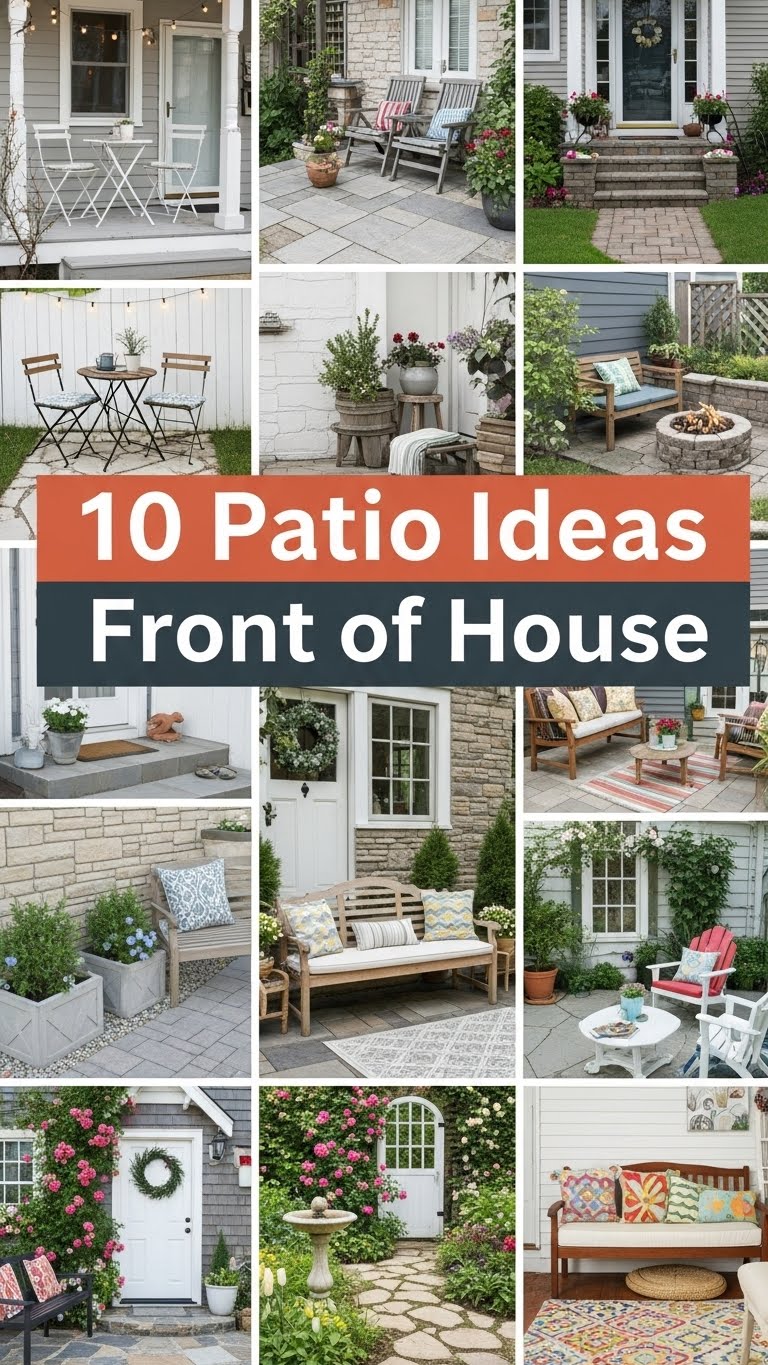
The front patio of a house is more than just an entryway; it is the first impression visitors have and a reflection of the homeowner’s style. A well-designed patio can add charm, functionality, and value to your property. Whether you want a space for morning coffee, evening relaxation, or welcoming guests, the right patio design can transform the front of your house into an inviting and practical area. From modern minimalist layouts to cozy, rustic designs, there are countless ways to enhance your outdoor space. This guide explores ten creative patio ideas for the front of your home, including the materials, preparation, and decorative elements needed to achieve each look. By following these suggestions, you can create a patio that suits your taste, complements your home’s exterior, and provides a welcoming atmosphere for everyone who visits.
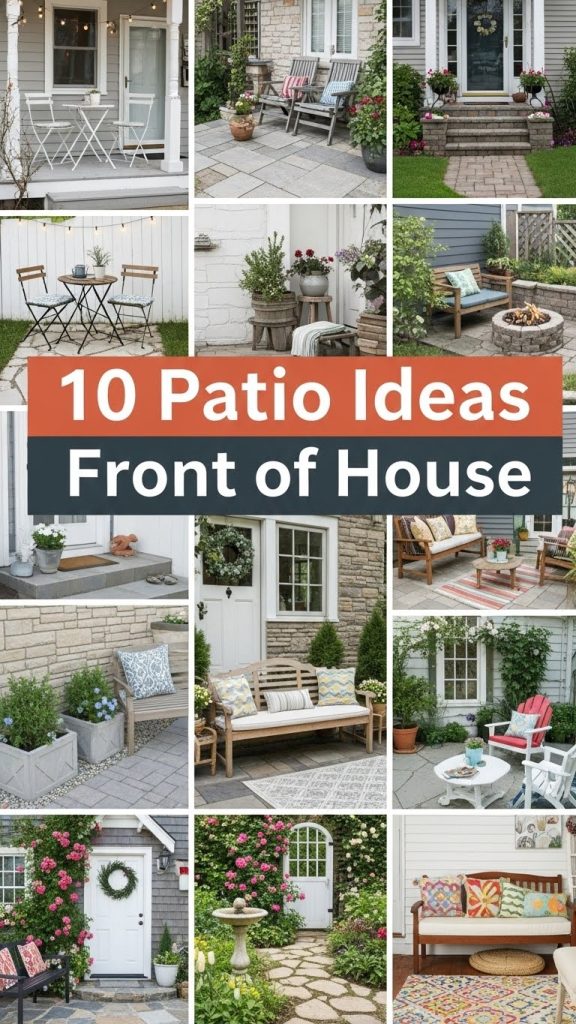
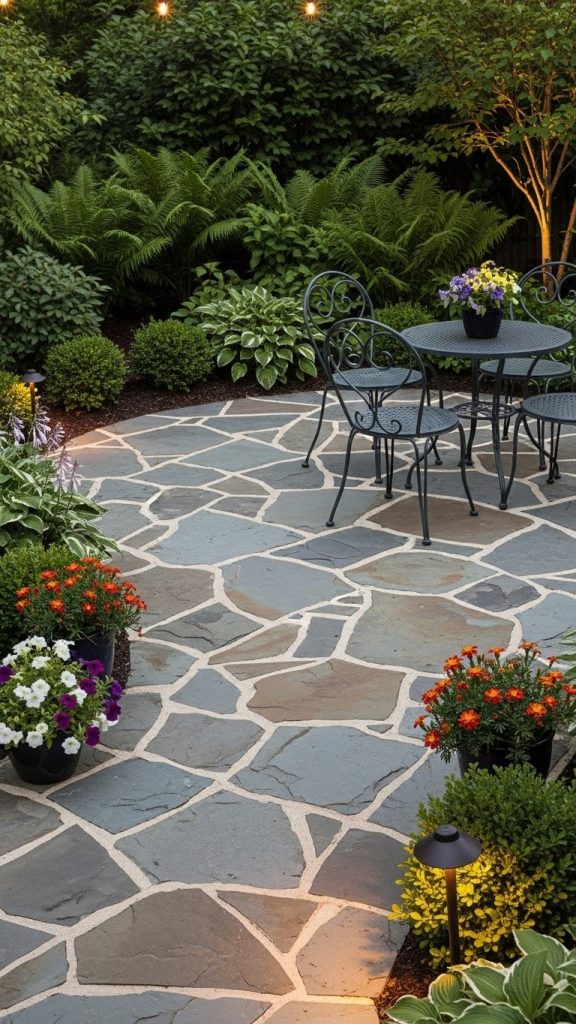
1. Classic Stone Patio
A stone patio provides timeless elegance and durability. Begin by selecting natural stones such as slate, flagstone, or limestone. Clear the area of grass and debris, then level the ground. Lay a base of sand and gravel to ensure proper drainage. Arrange stones in a pattern that complements your house’s style. Stone patios can be left in their natural color or treated with a sealant for enhanced protection and longevity. Furniture such as wrought-iron chairs, a small table, or potted plants can complete the look. Stone patios are low maintenance, withstand heavy foot traffic, and offer a classic appeal that never goes out of style. Incorporating lighting along the edges can also create a warm and inviting ambiance for evenings.
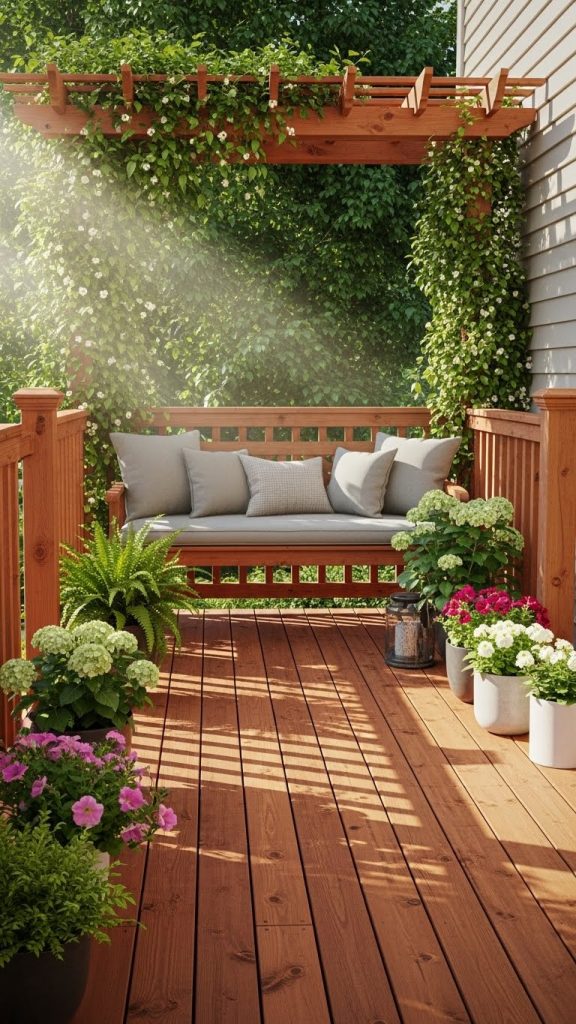
2. Wooden Deck Patio
A wooden deck patio brings warmth and a natural feel to the front of your house. Use weather-resistant wood such as cedar, redwood, or treated pine. Start by preparing a level foundation with gravel and pressure-treated wood framing. Lay wooden planks carefully, ensuring spacing for water drainage. Apply wood stain or sealant to protect against the elements. Wooden decks pair well with outdoor rugs, benches, and planters. Adding a small pergola or canopy can provide shade and enhance aesthetics. This type of patio is perfect for homeowners seeking a cozy, natural atmosphere, and it can easily accommodate seating areas for social gatherings or quiet relaxation. Regular maintenance, including sealing and cleaning, will keep the wood looking fresh for years.
3. Concrete Patio with Patterns
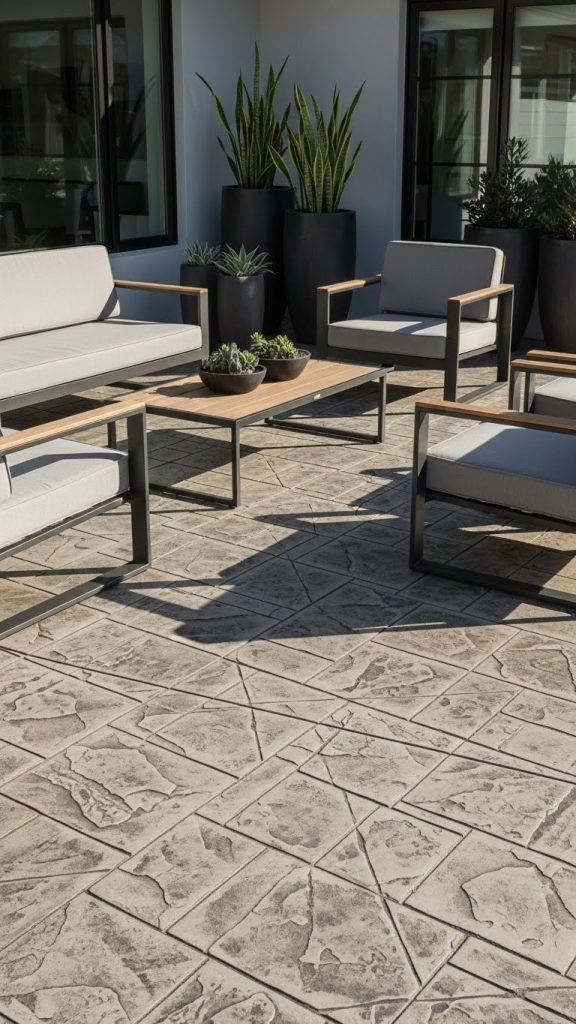
Concrete patios are versatile, durable, and customizable. Begin with a leveled base and pour concrete in your desired area. Before it fully sets, create patterns using stamps, stencils, or engraving tools. Popular designs include brick patterns, geometric shapes, or textured finishes. Concrete can be stained or painted to match your house’s exterior. Furniture with metal or wood accents complements this style well. Adding planters, lanterns, or small water features can make the patio more inviting. Concrete patios are easy to maintain, weather-resistant, and provide a modern, clean look. They also offer the flexibility to expand or redesign in the future without extensive remodeling.
4. Brick Patio with Pathway Integration
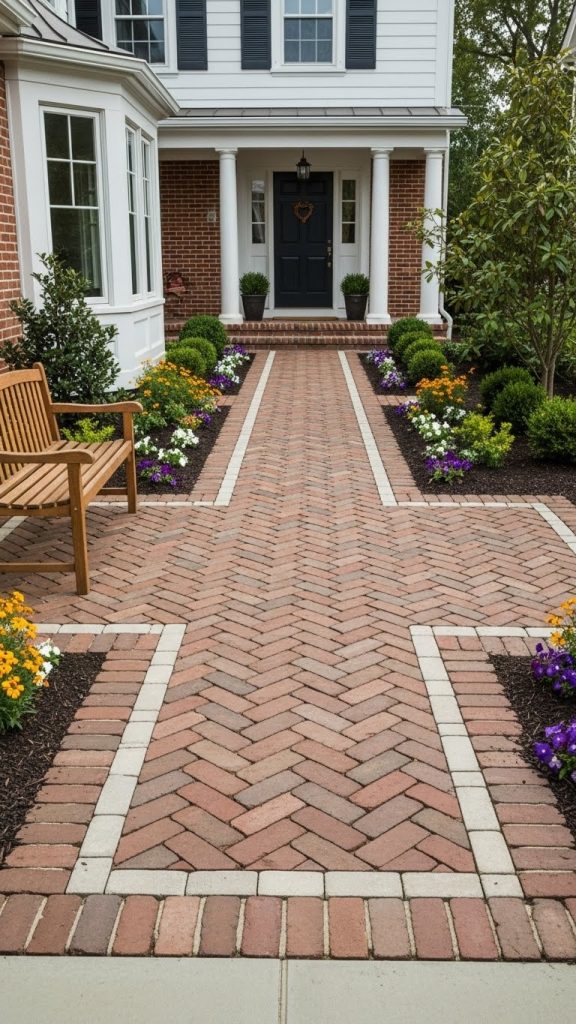
A brick patio adds charm and structure to the front yard. Choose bricks in colors that complement your house’s exterior. Prepare a compacted sand and gravel base, then lay bricks in a herringbone, basket weave, or running bond pattern. Use polymeric sand to fill gaps and secure bricks in place. Integrate pathways leading to the entrance for a cohesive look. Brick patios are durable, slip-resistant, and provide a classic aesthetic. Pair the patio with benches, flower beds, or garden lighting to enhance visual appeal. This style works well for traditional or colonial-style homes, offering a welcoming and organized front yard design.
5. Modern Minimalist Patio
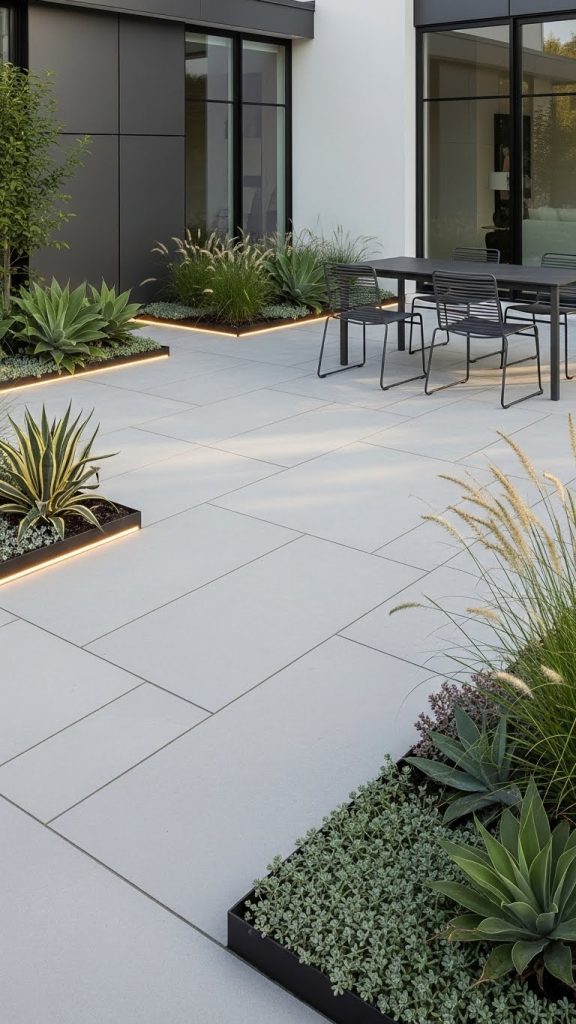
Modern minimalist patios focus on clean lines, neutral colors, and simple materials. Use concrete slabs, large tiles, or smooth stone as the base. Keep furniture minimal, selecting sleek designs in metal or wood. Incorporate low-maintenance greenery such as succulents or ornamental grasses. Lighting should be subtle, like LED strip lights along edges or small spotlights highlighting features. Minimalist patios emphasize open space and functionality. The design works best for contemporary homes and provides a calm, uncluttered outdoor area. Adding a single focal point, such as a sculptural planter or water feature, can enhance the elegance without overcrowding the space.
6. Gravel Patio with Seating Area
Gravel patios are affordable, flexible, and easy to install. Start by clearing the area, laying landscape fabric to prevent weed growth, and spreading gravel evenly. Choose gravel in a color that complements your home’s exterior. Add a seating area with weather-resistant chairs, a bench, or a fire pit. Potted plants or decorative stones can define spaces and add visual interest. Gravel patios allow water to drain naturally and can be rearranged or expanded with minimal effort. This style suits both rustic and modern homes and creates a relaxed, casual atmosphere. Regular raking and replenishing gravel keeps the patio looking fresh.

7. Patio with Built-In Planters
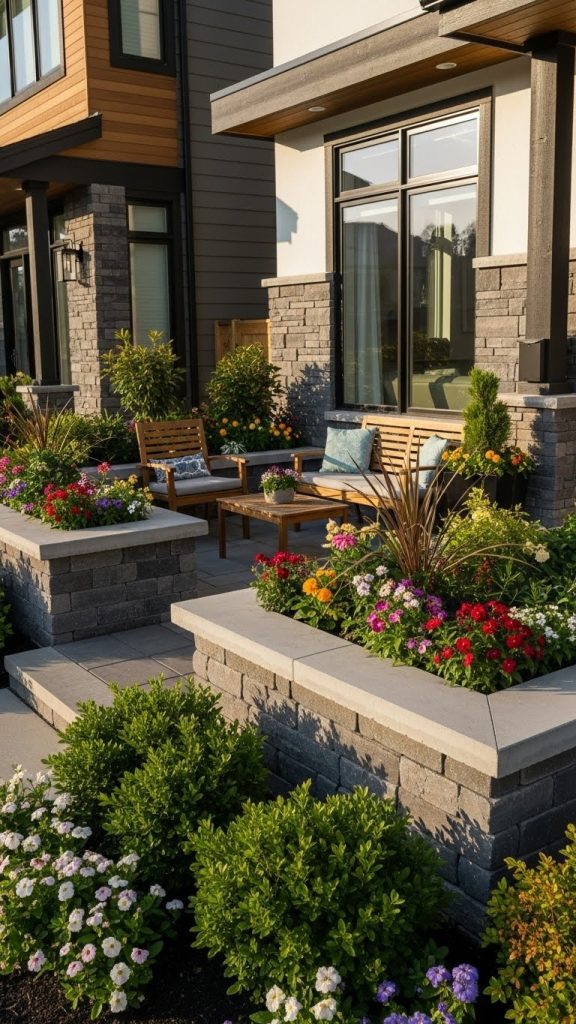
Adding built-in planters to a front patio introduces greenery and vibrant color. Use materials that match or complement the patio base, such as stone, brick, or wood. Build planters along edges or create raised beds for flowers and shrubs. Choose plants according to sunlight exposure, maintenance level, and desired aesthetic. This design blends landscaping with hardscaping, creating a cohesive front yard. Built-in planters also provide a natural barrier between the patio and the street. Including seating near planters allows homeowners to enjoy the surrounding greenery while maintaining a structured and attractive appearance.
8. Patio with Pergola or Canopy
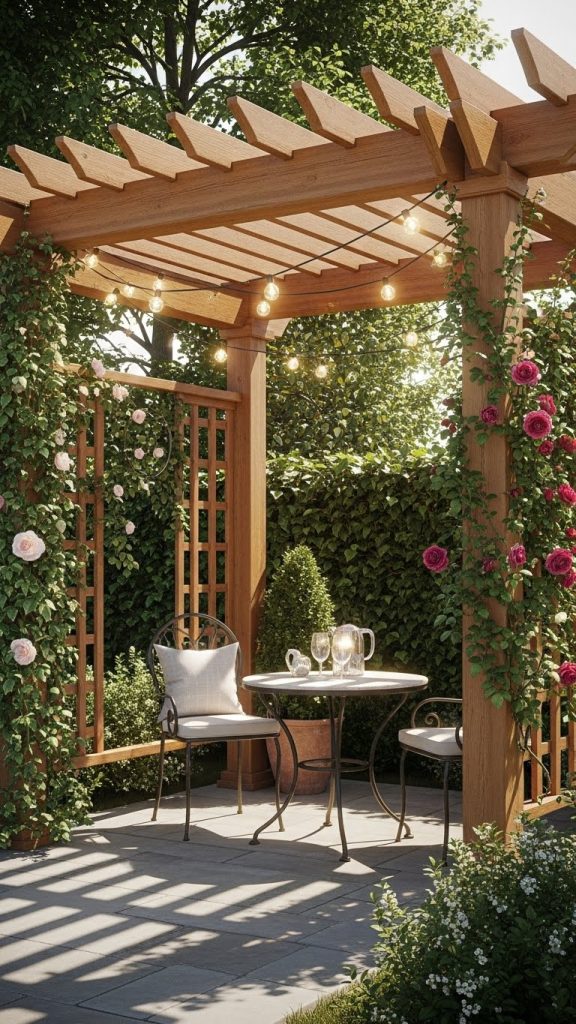
A pergola or canopy adds shade and architectural interest. Construct a pergola using wood or metal, ensuring it is proportionate to your patio size. For canopies, select weather-resistant fabric that complements your home’s color scheme. This structure can support climbing plants like ivy or roses for a natural touch. Add outdoor furniture underneath to create a shaded relaxation area. Lighting, such as string lights or lanterns, enhances the ambiance in the evening. Pergolas provide partial shade while allowing airflow, making the patio comfortable during sunny days. They also add height and dimension to the front of your house, creating a visually appealing focal point.
9. Front Patio with Water Feature
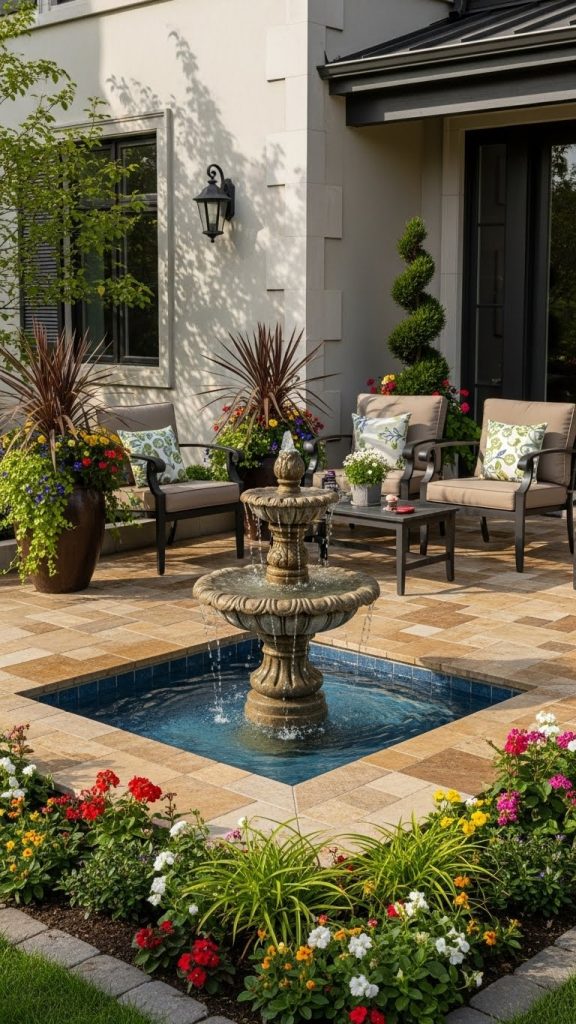
Incorporating a water feature adds tranquility and elegance. Small fountains, ponds, or wall-mounted water elements work well in front patios. Prepare a stable base, ensure proper plumbing or reservoir installation, and select materials that match your patio style. Surround the water feature with seating, decorative stones, and plants for a balanced look. Water features create soothing sounds, enhance curb appeal, and draw attention to the front area. They are suitable for both traditional and modern patios. Regular maintenance, such as cleaning and checking water levels, ensures the feature remains attractive and functional.
10. Eco-Friendly Patio
An eco-friendly patio focuses on sustainable materials and low-impact designs. Use recycled pavers, reclaimed wood, or permeable surfaces to reduce environmental impact. Plant native shrubs, grasses, or flowers to conserve water and attract pollinators. Incorporate solar lighting to minimize energy consumption. This patio style combines functionality with environmental responsibility, creating a natural and inviting front area. Eco-friendly patios also encourage outdoor living without harming the environment, blending aesthetics with sustainability. Adding compost bins or rainwater collection systems nearby further enhances the green design.
